Trump threatens Iran strikes as US disables third tanker in Gulf of Oman
Synopsis
Trump has gone beyond military threats — he is now publicly declaring intent to seize Iran's Kharg Island, the nerve centre of Iranian oil exports. With three tankers disabled in a single week and nine total since April, Washington's naval blockade is escalating fast, and Trump's Truth Social posts are setting the terms of engagement in real time.
Key Takeaways
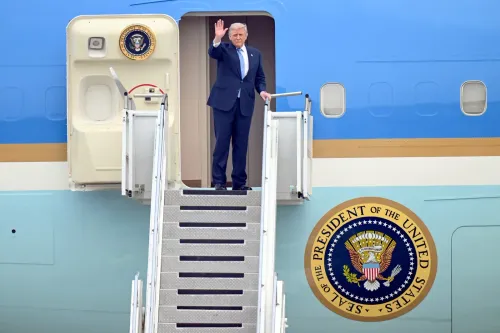
President Trump threatened fresh military strikes on Iran and seizure of Kharg Island oil infrastructure on 11 June .
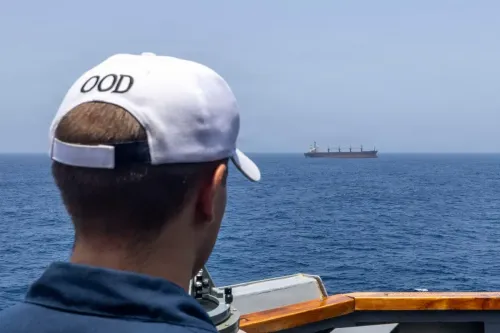
US forces disabled the Guinea-Bissau -flagged M/T Jalveer with two Hellfire missiles in the Gulf of Oman on 10 June .
It was the third commercial tanker disabled by US forces in a single week, following M/T Marivex and M/T Settebello .
Since the blockade began on 13 April , CENTCOM has disabled nine vessels , redirected 135 compliant ships, and cleared 42 humanitarian aid vessels.
Trump cited Venezuela as a model for eventual US control of Iranian oil and gas markets.
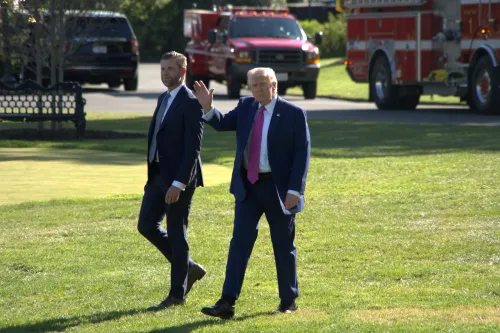
US President Donald Trump on Thursday, 11 June threatened fresh military strikes against Iran and said the United States could eventually seize control of key Iranian oil infrastructure, hours after US Central Command (CENTCOM) announced that American forces had disabled a third commercial tanker accused of breaching Washington's naval blockade on Tehran.
Trump's Warning on Truth Social
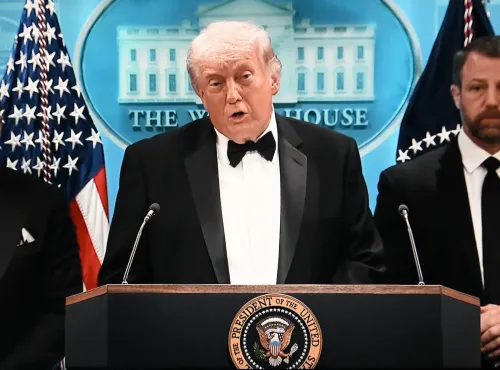
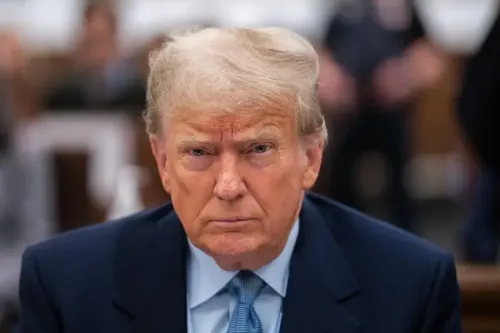
In a post on Truth Social, Trump wrote: “The United States will be hitting Iran (whose Navy, Air Force, Radar, Anti-Aircraft, and all other forms of Defence, together with most of its offensive capability, are GONE!), VERY HARD TONIGHT.”
He escalated further, adding: “At some point in the not too distant future, we will be taking Kharg Island, and other oil infrastructure points, and assume total control of their Oil and Gas Markets, much like we have with Venezuela, which is working out brilliantly for both Venezuela and the United States of America.” The remarks represent the most direct public threat by a sitting US president to seize Iranian energy assets.
Third Tanker Disabled in the Gulf of Oman
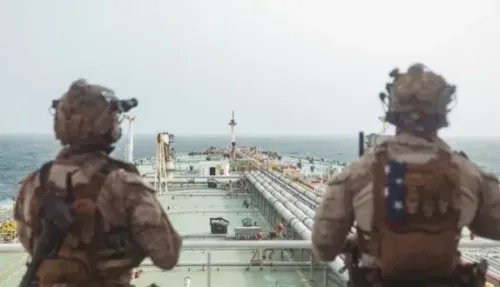
According to CENTCOM, the Guinea-Bissau-flagged tanker M/T Jalveer was disabled at 11:20 pm ET on 10 June after it allegedly attempted to transport Iranian oil through the Gulf of Oman. A US aircraft fired two Hellfire missiles into the vessel's engine room after the crew repeatedly failed to comply with instructions from American forces.
Earlier in the same week, US aircraft had already disabled two other vessels — the Palau-flagged M/T Marivex, which reportedly attempted to sail to an Iranian port, and the M/T Settebello, which sought to transport Iranian oil.
Blockade Scorecard Since April 13
CENTCOM stated that since the naval blockade operation began on 13 April, US forces have disabled nine non-compliant vessels, redirected 135 ships that complied with blockade instructions, and allowed 42 humanitarian aid vessels to proceed. The command said the blockade is being “enforced impartially against vessels of all nations entering or departing Iranian ports and coastal areas, including all Iranian ports on the Arabian Gulf and Gulf of Oman.”
Strategic and Regional Stakes
The targeting of Kharg Island — through which Iran routes the bulk of its crude exports — would represent a dramatic escalation beyond disabling third-party tankers. Analysts note that a strike or seizure of that facility could trigger severe disruptions to global oil supply chains, given that the island handles an estimated 90% of Iran's oil exports. This comes amid already elevated tensions in the Middle East, with energy markets closely watching every development.
Notably, Trump's comparison to Venezuela, where the US has imposed sweeping sanctions and recognised rival governments, signals a potential long-term strategic template for Iran policy — one that goes well beyond the current blockade.
What Comes Next
With nine vessels already disabled and Trump's public warnings intensifying, the pressure on Iran to respond — diplomatically or militarily — is mounting. Energy markets, regional shipping routes, and allied governments are all on alert as the situation in the Gulf of Oman continues to deteriorate rapidly.
Point of View
Not just coercive diplomacy. What mainstream coverage underplays is the legal and geopolitical exposure this creates — disabling third-country-flagged vessels in international waters is already contested under maritime law, and a move on Kharg Island would test the limits of every US alliance in the region.
NationPress
19 Sept 2026
Frequently Asked Questions
Why did the US disable the M/T Jalveer in the Gulf of Oman?
The US military disabled the Guinea-Bissau -flagged M/T Jalveer on 10 June because it allegedly attempted to transport Iranian oil through the Gulf of Oman in violation of Washington's naval blockade on Iran. A US aircraft fired two Hellfire missiles into the vessel's engine room after the crew repeatedly ignored compliance instructions from American forces.
What is the US naval blockade on Iran and when did it begin?
The US naval blockade is an operation to intercept vessels entering or departing Iranian ports and coastal areas on the Arabian Gulf and Gulf of Oman . It began on 13 April and has since disabled nine vessels, redirected 135 compliant ships, and allowed 42 humanitarian aid vessels to pass, according to CENTCOM .
What did Trump say about Kharg Island?
In a Truth Social post on 11 June , Trump said the US would 'at some point in the not too distant future' take control of Kharg Island and other Iranian oil infrastructure, assuming 'total control of their Oil and Gas Markets.' Kharg Island handles an estimated 90% of Iran's crude exports.
How many tankers has the US disabled this week?
US forces disabled three commercial tankers in a single week — M/T Marivex , M/T Settebello , and M/T Jalveer — all accused of violating the blockade by transporting Iranian oil or attempting to reach Iranian ports.
What is the significance of Trump comparing Iran to Venezuela?
Trump's comparison signals that the White House may be pursuing a long-term strategy of economic strangulation and potential asset control in Iran, mirroring the approach used against Venezuela through sanctions and political pressure. It suggests the current blockade could be a precursor to broader measures targeting Iranian energy revenues.