US strikes IRGC targets in Iran again as Trump threatens total destruction
Synopsis
The US has launched a second round of strikes on IRGC targets inside Iran, with President Trump threatening near-total destruction if Tehran retaliates. With Iranian missiles reportedly already fired at US regional bases and two oil tankers struck in the Strait of Hormuz, this confrontation is escalating faster than diplomatic channels can contain.
Key Takeaways
US forces struck IRGC targets in Iran on Tuesday, 2 September at 12 pm Eastern Time , confirmed by CENTCOM .
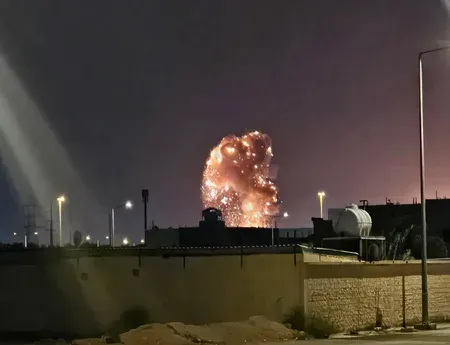
President Trump warned on Truth Social that further Iranian retaliation would trigger strikes at 'a much harder and higher level.' Explosions were reported in Bandar Abbas , Sirik , and Qeshm Island following the US action.
Iran's Tasnim news agency reported the Iranian military launched missiles toward US bases in regional countries on Tuesday evening.
Two crude oil tankers were struck by unknown projectiles in the Strait of Hormuz on Monday evening , according to maritime risk firm Marisks .
Gulf allies were reportedly notified ahead of the latest US strikes; the carrier USS George Washington remains deployed in the region.
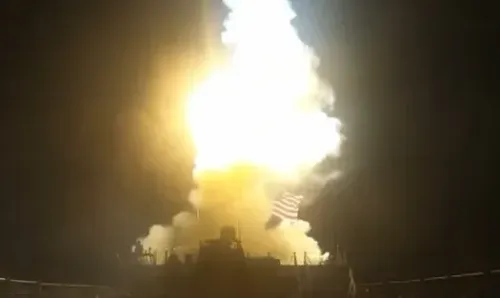
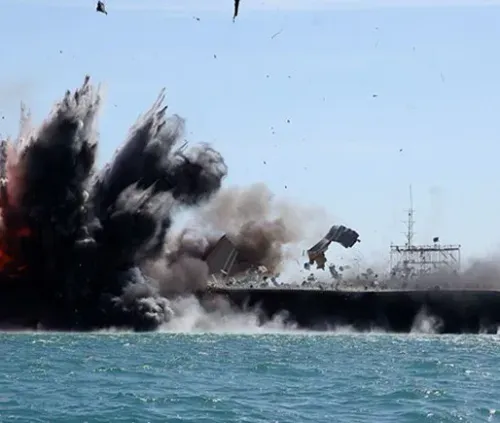
US forces launched fresh strikes on Islamic Revolutionary Guard Corps (IRGC) targets inside Iran on Tuesday, 2 September, marking a sharp escalation in the military confrontation between Washington and Tehran. US Central Command (CENTCOM) confirmed the strikes were carried out at 12 pm Eastern Time (1600 GMT), citing recent IRGC attacks on commercial shipping and US personnel in the region.
Trump's Warning and Threat of Wider War
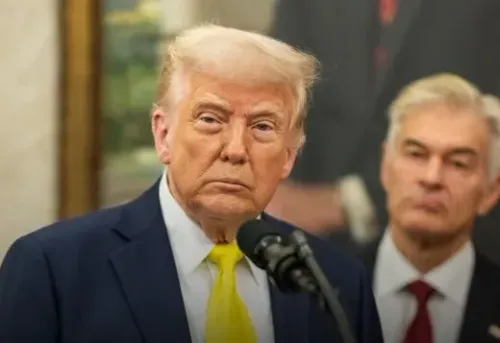
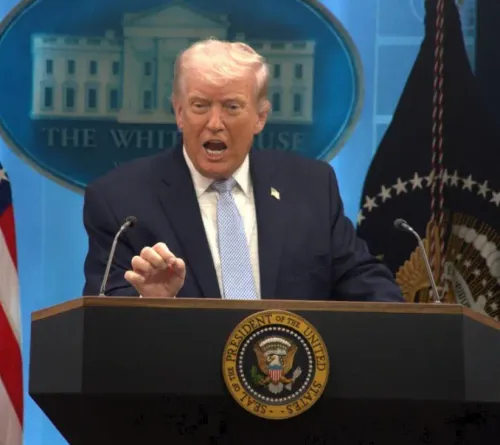
President Donald Trump issued a stark warning on his Truth Social platform shortly after the strikes were confirmed. 'If Iran retaliates for this very justified attack, they will be hit again at a much harder and higher level,' Trump wrote, describing the new strikes near the Strait of Hormuz as 'large and powerful.'
In the same post, Trump escalated further: 'But it will not be the biggest attack of them all, that is waiting in the wings and, when it is over, there will be very little left of the Islamic Republic of Iran!' In a separate phone interview with Fox News, Trump claimed US forces had destroyed 'a lot of radar' in Iran's air defence network, including systems Tehran had attempted to rebuild. 'If it goes a third time, they're going to be totally wiped out as a country,' he said.
Trump also confirmed that Gulf allies were notified ahead of the strikes, and referenced the aircraft carrier USS George Washington, saying it was 'loaded to the gills.'
What CENTCOM Said
CENTCOM stated that the strikes were a direct response to the IRGC's recent attempted attacks on commercial vessels transiting the Strait of Hormuz and on US service members deployed in the region. The command did not immediately specify the exact targets hit or confirm battle damage assessments.
Explosions Reported Across Iranian Ports
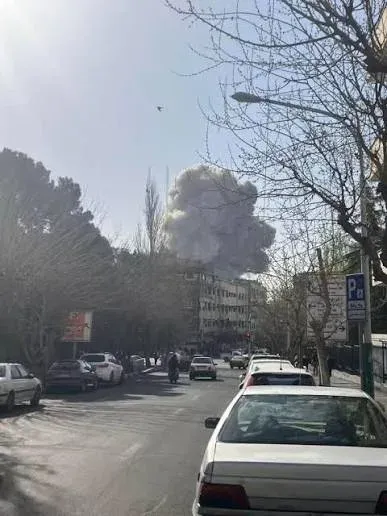
Explosions were reportedly heard on Tuesday in the Iranian port cities of Bandar Abbas and Sirik, and on Qeshm Island, according to reports reaching Washington. Iran's semi-official Tasnim news agency, citing sources, reported that the Iranian military launched missiles toward US bases in regional countries on Tuesday evening. The IRGC warned, according to Iran's Fars news agency, that the United States 'will regret its new attacks.'
Strait of Hormuz Shipping Under Threat
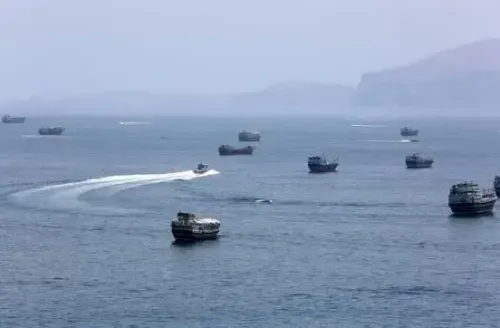
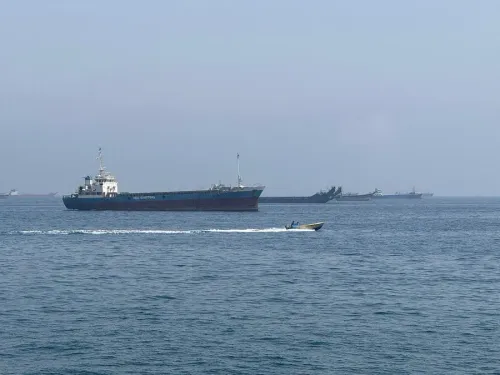
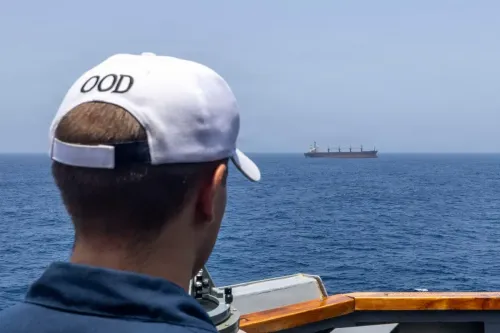
The strikes come amid a dangerous deterioration in maritime security in one of the world's most critical oil transit chokepoints. Greece-based maritime risk organisation Marisks reported on Tuesday that two crude oil tankers were struck by unknown projectiles while transiting the Strait of Hormuz on Monday evening. The Strait handles an estimated 20% of global oil trade, and any sustained disruption risks immediate pressure on international crude prices.
What Comes Next
With Iran reportedly having launched retaliatory missiles toward US regional bases and the IRGC issuing explicit threats, the risk of a broader military exchange remains acute. Analysts note this is at least the second confirmed round of US strikes on Iranian soil in the current escalation cycle, with Trump signalling a third round would be qualitatively more severe. The coming hours will be critical in determining whether diplomatic back-channels can contain the confrontation.
Point of View
And that changes the calculus for every regional actor. What mainstream coverage underweights is the Strait of Hormuz dimension: two tankers struck on Monday before the US strikes even landed means commercial shipping risk is already live, not hypothetical. If Iran's reported missile launches against US regional bases are confirmed, this moves from a punitive exchange into a war footing. The Gulf allies who were 'notified' — not consulted — will be watching whether Washington can control the tempo it has set.
NationPress
17 Oct 2026
Frequently Asked Questions
Why did the US launch fresh strikes on Iran on 2 September?
US Central Command said the strikes targeted IRGC positions in response to recent IRGC attacks on commercial shipping in the Strait of Hormuz and against US service members in the region. President Trump described the action as 'very justified' and said US forces destroyed significant portions of Iran's radar network.
What did President Trump threaten after the strikes?
Trump warned on Truth Social that if Iran retaliates, it 'will be hit again at a much harder and higher level,' and added that a larger strike was 'waiting in the wings' that would leave 'very little' of the Islamic Republic standing. He also said a third round of strikes would effectively wipe Iran out as a country.
Has Iran responded to the US strikes?
Iran's semi-official Tasnim news agency reported, citing sources, that the Iranian military launched missiles toward US bases in regional countries on Tuesday evening. The IRGC also warned, according to Fars news agency, that the United States 'will regret its new attacks.'
What is the significance of the Strait of Hormuz in this conflict?
The Strait of Hormuz is the world's most critical oil transit chokepoint, handling roughly 20% of global crude trade. Two oil tankers were struck by unknown projectiles there on Monday evening, according to maritime risk firm Marisks, raising fears of a broader disruption to global energy supplies if hostilities continue.
Which US military assets are involved in the strikes?
President Trump referenced the aircraft carrier USS George Washington, saying it was 'loaded to the gills' and ready for further action. Gulf allies were reportedly notified ahead of the strikes, though the full scope of assets involved has not been officially detailed by CENTCOM.