Trump vows retaliation as Iran fires missiles at US bases in Jordan
Synopsis
Iran fired at least eight ballistic missiles at US military bases in Jordan following a US airstrike on IRGC launchers — and Trump has promised retaliation while keeping a slim diplomatic door open. With the Strait of Hormuz now a flashpoint, this is the most direct US-Iran military exchange in years, and the next 48 hours could determine whether it escalates into a wider conflict.
Key Takeaways
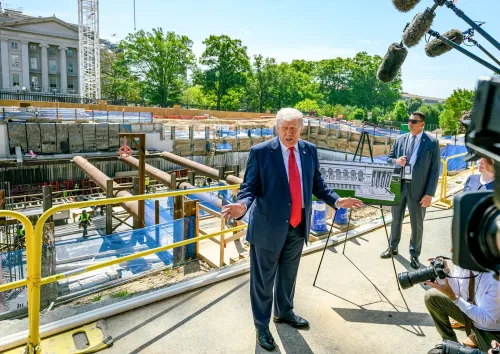
President Donald Trump vowed retaliation against Iran on Monday after overnight missile strikes on US forces in Jordan .
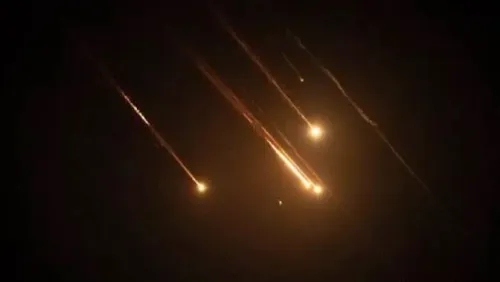
Iran fired at least eight ballistic missiles at the King Hussein and Al-Azraq US bases in Jordan.
US forces intercepted most missiles; one was deliberately allowed through after being assessed as non-threatening.
The Iranian strikes followed a US airstrike on IRGC launchers on Larak Island , which Iran's semi-official media said killed at least two people .
Trump signalled Iran 'wants to meet' but expressed doubt over the reliability of any deal, while noting sanctions were intensifying.
The US Central Command called its initial strike 'limited' and 'precise,' citing an 'imminent threat' to shipping through the Strait of Hormuz .
US President Donald Trump on Monday vowed a forceful response against Iran after Tehran launched ballistic missiles overnight at American military installations in Jordan, escalating an already volatile standoff in the Middle East. The strike-and-counterstrike sequence marks one of the most direct military confrontations between the two countries in recent years.
Trump's Warning and the Diplomatic Undercurrent
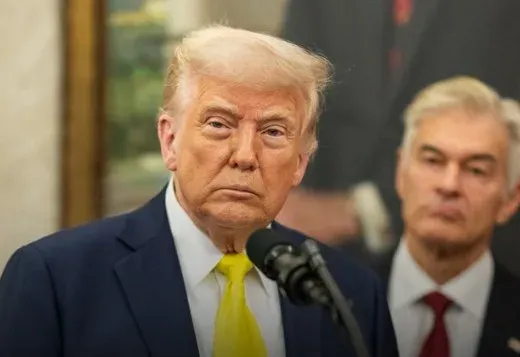
'We're going to hit them hard,' Trump said in a phone interview with Fox News. 'There will be a response.' Despite the combative tone, Trump left a narrow opening for diplomacy, saying Iran 'wants to meet so badly' — though he added, 'I just don't know if you can count on a deal with them.' He also noted that economic pressure was mounting, stating, 'The sanctions are kicking in really strongly.'
What Happened Overnight
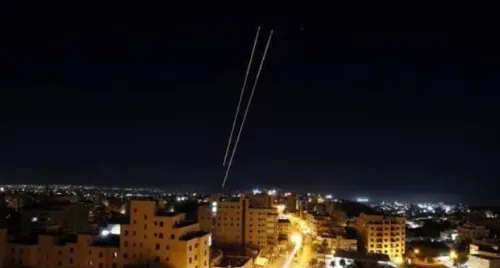
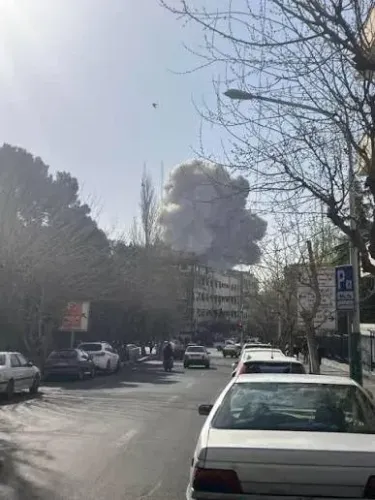
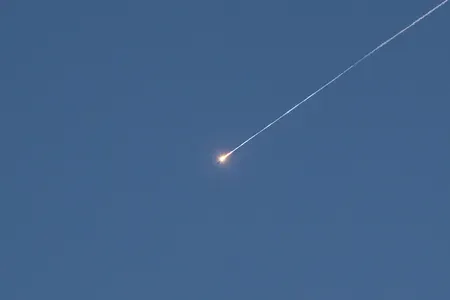
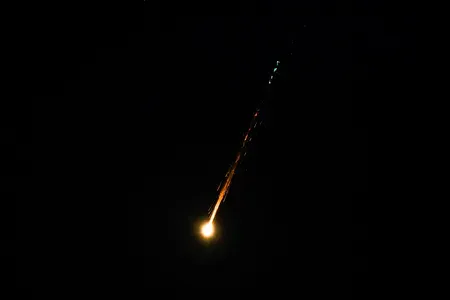
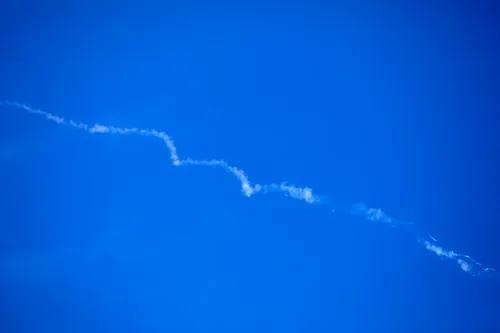
According to reports, Iran fired at least eight ballistic missiles at US forces stationed at the King Hussein and Al-Azraq bases in Jordan on Sunday, following a US airstrike on Islamic Revolution Guard Corps (IRGC) launchers on Larak Island. US forces intercepted the majority of the incoming missiles; one was reportedly allowed to pass through air defenses after it was determined it posed no threat to personnel or infrastructure. No significant impacts were reported on the US side, according to available reports.
Iran's Claims of Damage
Iran's Fars news agency, citing an IRGC statement, reported that the Iranian military targeted 'technical and maintenance infrastructure' as well as areas where 'enemy fighter jets' were stationed, claiming the strikes inflicted heavy damage. Iran's semi-official Tasnim news agency, citing unofficial reports, said at least two people were killed and two others injured in the earlier US strike on Larak Island, describing it as a 'drone attack.'
US Justification for the Initial Strike
The US Central Command characterised its initial action as a 'limited, precise action' against Iranian minelaying forces, asserting they posed an 'imminent threat' to commercial shipping and the free flow of global commerce through the Strait of Hormuz. The IRGC, in response, vowed that the US strike would be met with 'punishment for the aggressor,' and said military personnel and civilians were among those killed or wounded.
What Comes Next
The exchange raises the risk of a broader military escalation in the region, with the Strait of Hormuz — a critical chokepoint for global oil flows — squarely in the crosshairs. Trump's simultaneous threat of retaliation and hint at possible talks suggests Washington is keeping its options open, but the window for de-escalation appears narrow. International observers and regional allies are watching closely for the next US move.
Point of View
Which makes de-escalation structurally harder. Trump's simultaneous 'we'll hit them hard' and 'they want to meet' framing is a familiar pressure tactic, but Iran's willingness to directly target US military bases — not proxies — signals a threshold has shifted. The Strait of Hormuz angle is the understated danger here: any disruption to that chokepoint would transmit immediately into global oil prices and, by extension, into every economy dependent on Gulf energy, including India. Mainstream coverage is focusing on the missile count; the more consequential question is whether either side has a defined off-ramp.
NationPress
16 Oct 2026
Frequently Asked Questions
Why did Iran fire missiles at US bases in Jordan?
Iran launched at least eight ballistic missiles at US military installations in Jordan in retaliation for a US airstrike on IRGC launchers on Larak Island. The IRGC stated the strikes targeted 'technical and maintenance infrastructure' and areas housing 'enemy fighter jets,' and vowed further punishment.
What was the US response to the Iranian missile attack?
US forces intercepted the majority of Iranian missiles; one was allowed to pass through air defenses after being assessed as posing no threat. President Trump vowed retaliation, saying 'we're going to hit them hard,' though he also left open the possibility of diplomatic talks.
Were there casualties in the Iran-US exchange?
No significant US casualties were reported from the Iranian missile strikes on Jordan. Iran's semi-official Tasnim news agency, citing unofficial reports, said at least two people were killed and two others injured in the earlier US strike on Larak Island.
What is the significance of the Strait of Hormuz in this conflict?
The US Central Command cited an 'imminent threat' to commercial shipping through the Strait of Hormuz as justification for its initial strike on IRGC minelaying forces. The strait is a critical global oil chokepoint, and any disruption there could have significant consequences for global energy markets.
Is there any possibility of US-Iran talks despite the military escalation?
President Trump indicated Iran 'wants to meet so badly,' suggesting a slim diplomatic opening remains. However, he expressed doubt about the reliability of any agreement, saying 'I just don't know if you can count on a deal with them,' while also noting that sanctions on Iran were intensifying.