IRGC hits 7 oil tankers in Strait of Hormuz in 5 days amid US-Iran conflict
Synopsis
Iran's IRGC has struck seven oil tankers in the Strait of Hormuz in just five days — including Kuwaiti and UAE vessels — directly contradicting US President Trump's claim that the waterway is 'open and under American control.' With Trump simultaneously predicting a swift end to the conflict and a sharp drop in oil prices, the reality on the water tells a sharply different story.
Key Takeaways
Iran's IRGC Navy struck at least 7 oil tankers in the Strait of Hormuz over five days , according to the semi-official Fars news agency.
Two tankers were reportedly struck on Friday alone — one at the strait's entrance, one while exiting.
Vessels hit include Kuwaiti tankers Al FUNTAS and KAZIMAH III , and UAE vessels SINBAD , MERSIN PROSPERITY , and AL RUWAIS .
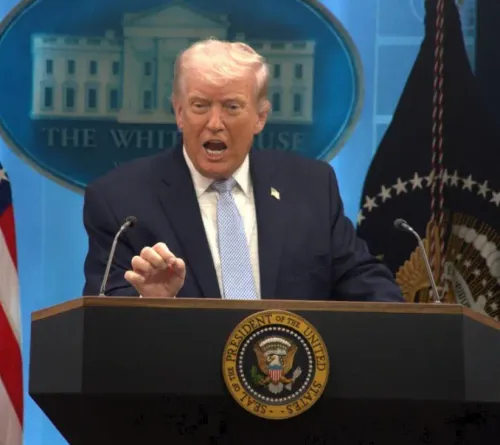
US President Donald Trump said Iran would 'end very quickly' and predicted oil prices would 'drop like a rock' once the conflict ends.
Iran imposed its Strait of Hormuz blockade on 28 February , barring US- and Israel-linked vessels following joint strikes on Iranian territory.
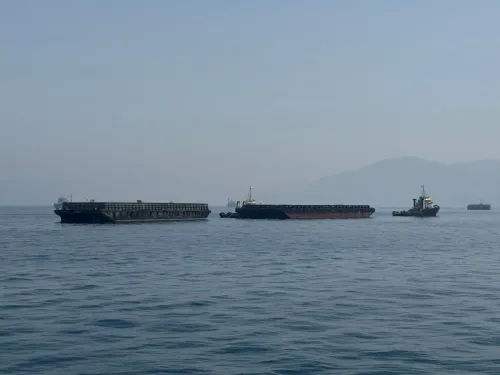
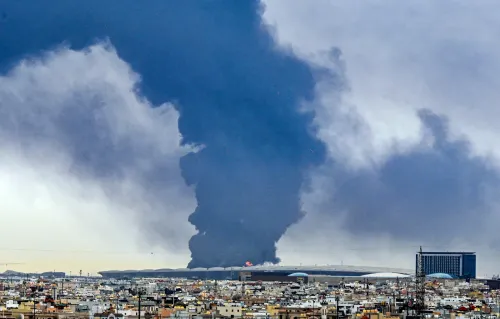
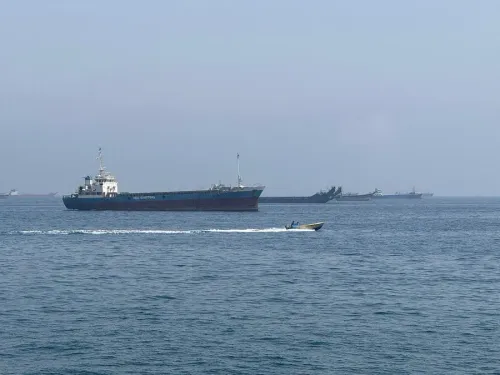
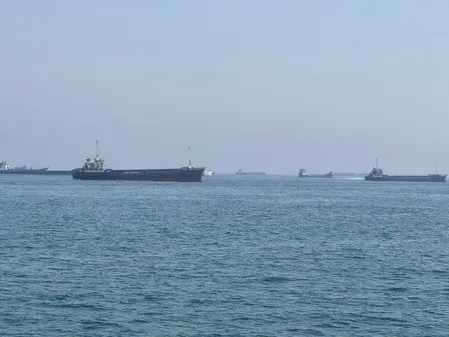
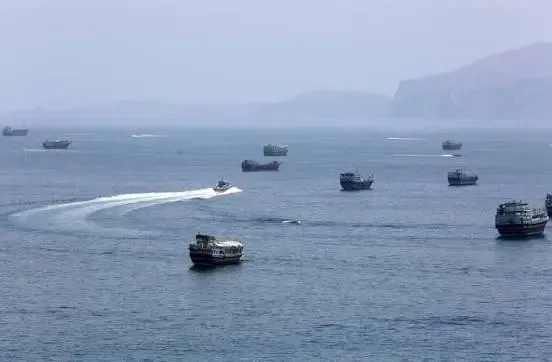
The navy of Iran's Islamic Revolutionary Guard Corps (IRGC) has struck at least seven 'violating' oil tankers in the Strait of Hormuz over a span of five days, according to the semi-official Fars news agency. The strikes — averaging more than one vessel per day — represent a significant escalation in the strategic waterway through which roughly 20% of the world's traded oil flows.
Tankers Struck and Vessels Identified
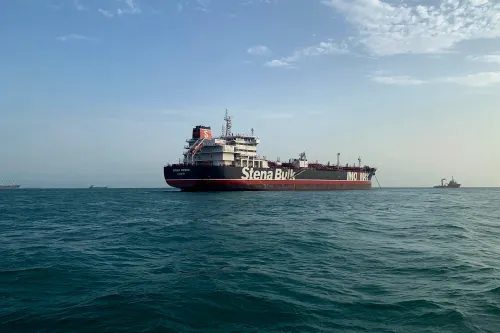
According to MenchOsint, an independent military observer cited by Fars, two oil tankers were struck in the Strait of Hormuz on Friday — one at the waterway's entrance and another while exiting it. Over the preceding four days, two Kuwaiti tankers — Al FUNTAS and KAZIMAH III — and three United Arab Emirates vessels — SINBAD, MERSIN PROSPERITY, and AL RUWAIS — were reportedly struck in the strait.
Trump's Claim and Contradiction on the Ground
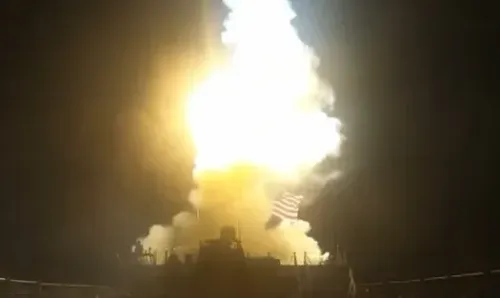
The IRGC Navy actions come despite repeated assertions by US President Donald Trump that the Strait of Hormuz is 'open and under his country's control.' The reported strikes directly contradict that framing, raising questions about the effectiveness of the US naval posture in the region. Speaking to reporters after arriving in Texas and later during a visit to a Peterbilt Motors facility in Denton, Trump painted a picture of a militarily and economically weakened Iran.
Trump Predicts Rapid End to Conflict
'Iran will very soon be ending one way or the other,' Trump told reporters on Saturday. 'It'll either just say, look, they have 301 percent inflation. They have no money, they have no currency. Their military has been defeated, their navy is gone, their air force is gone, everything's gone.' He added: 'And, one way or the other, it's going to end very quickly. And when that ends, oil prices are going to drop like a rock.'
Background: How the Hormuz Standoff Began
Iran tightened its grip on the Strait of Hormuz on 28 February, barring safe passage to vessels belonging to or affiliated with Israel and the United States — a move that followed joint US-Israeli strikes on Iranian territory. The current wave of tanker strikes marks a sharp intensification of that policy, with the IRGC now targeting vessels from third-party Gulf states including Kuwait and the UAE, suggesting a broadening of Iran's maritime enforcement beyond the original stated targets.
Global Energy Markets on Alert
The sustained targeting of commercial shipping in one of the world's most critical chokepoints has placed global energy markets on edge. Any prolonged disruption to Hormuz transit could sharply push up crude prices — the very opposite of what Trump has predicted. Analysts will be watching whether Gulf Cooperation Council (GCC) member states escalate diplomatic pressure on Tehran following the strikes on Kuwaiti and Emirati vessels. The coming days are likely to be decisive for the trajectory of the conflict.
Point of View
Trump's confident rhetoric about American control of the strait sits in uncomfortable tension with a week in which the IRGC averaged more than one tanker strike per day. The gap between the US narrative and operational reality in the Hormuz could prove costly — diplomatically and at the pump.
NationPress
4 Oct 2026
Frequently Asked Questions
How many oil tankers has Iran's IRGC struck in the Strait of Hormuz?
Iran's IRGC Navy has struck at least seven oil tankers in the Strait of Hormuz over a five-day period, according to the semi-official Fars news agency. The strikes averaged more than one vessel per day.
Which tankers were targeted by the IRGC in the Strait of Hormuz?
According to independent military observer MenchOsint, the vessels struck include Kuwaiti tankers Al FUNTAS and KAZIMAH III, and UAE vessels SINBAD, MERSIN PROSPERITY, and AL RUWAIS. Two additional tankers were reportedly struck on Friday at the strait's entrance and exit points.
Why is Iran targeting tankers in the Strait of Hormuz?
Iran imposed restrictions on the Strait of Hormuz on 28 February, barring safe passage to vessels linked to Israel and the United States following joint US-Israeli strikes on Iranian territory. The IRGC has described the targeted ships as 'violating' vessels, though the strikes on Kuwaiti and UAE tankers suggest the enforcement net has widened.
What did US President Trump say about the Iran conflict and oil prices?
Speaking to reporters on Saturday, Trump said the war with Iran would end 'very quickly' and predicted oil prices would 'drop like a rock' once the conflict concluded. He described Iran as militarily and economically weakened, citing what he called 301 percent inflation and the destruction of its military assets.
What is the significance of the Strait of Hormuz?
The Strait of Hormuz is one of the world's most critical oil shipping chokepoints, through which a significant share of globally traded crude passes daily. Any sustained disruption to tanker traffic there can drive sharp increases in global oil prices and affect energy supplies across Asia, Europe, and beyond.