MP CM Mohan Yadav: Gandhi Sagar to Power Peak Grid Demand
Synopsis
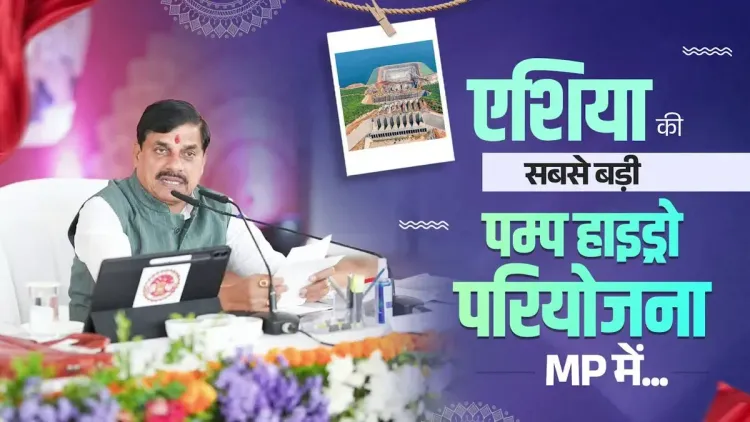
Madhya Pradesh CM Dr. Mohan Yadav convened a special Cabinet at Gandhi Sagar to spotlight a pumped hydro storage project promising ~20x electricity output, while positioning the Chambal reservoir zone — anchored by the Cheetah Project and heritage sites — as a premier national tourism destination.
Key Takeaways
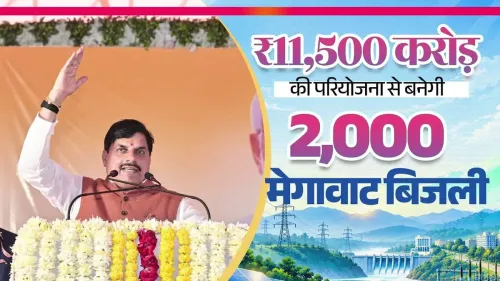
The Pumped Hydro Storage Project at Gandhi Sagar is designed to produce approximately 20 times more electricity than the site's current generation capacity.
The project will store surplus power and release it during peak demand periods , directly addressing grid stability challenges as renewables expand.
Mohan Yadav held a special Cabinet meeting at Gandhi Sagar — outside the state capital Bhopal — to elevate the region's national profile.
The area is being developed as a multi-asset destination combining energy infrastructure, the Cheetah Reintroduction Programme, heritage sites, and natural landscapes .
India's National Electricity Plan (2022) had already identified pumped hydro storage as essential for grid stability with rising solar and wind capacity.
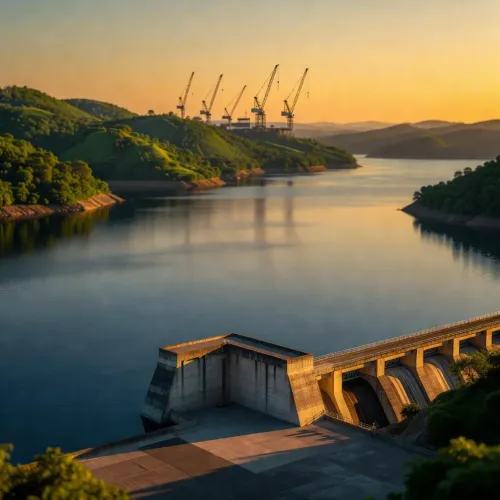
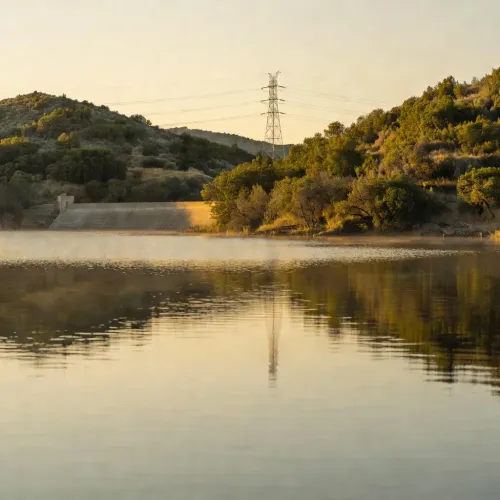
Gandhi Sagar dam on the Chambal River was commissioned in the 1960s , giving the pumped storage project a ready physical foundation.
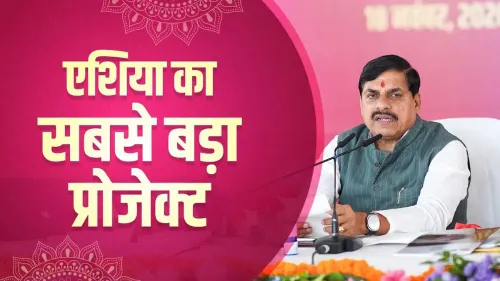
A dam reservoir that has anchored Madhya Pradesh's water and power story for six decades is now being positioned as the state's next big energy and tourism frontier. Chief Minister Dr. Mohan Yadav on Wednesday, 18 November 2026, declared that the Pumped Hydro Storage Project under construction at Gandhi Sagar will generate approximately 20 times more electricity than the site's current output — and that the reservoir belt, home to the Cheetah Project and storied heritage, will emerge as a distinctive national tourism destination. The occasion itself was deliberate: a special Cabinet meeting convened at Gandhi Sagar — not in Bhopal — to signal the region's rising importance.
What pumped hydro does that solar panels alone cannot
Pumped hydro storage is deceptively simple in concept and brutally effective in practice. When surplus power floods the grid — say, at noon on a sunny day — reversible turbines pump water from a lower reservoir to a higher one, effectively converting electricity into stored potential energy. When demand spikes at evening peak hours, that water rushes back down, driving turbines and discharging electricity almost instantly. No battery chemistry, no degradation cycle, just physics.
India's National Electricity Plan (2022) explicitly identified pumped hydro storage as a critical technology for grid stability as solar and wind capacity surges. Gandhi Sagar, with its natural elevation differential along the Chambal River and its existing dam infrastructure — commissioned in the 1960s — offers an ideal physical canvas for this upgrade. CM Yadav described the project as 'playing a crucial role in meeting energy needs at times of maximum demand' (adhiktam maang ke samay urja ki zaruraton ko pura karne mein mahatvapurn bhumika).
Cheetah, heritage, and the case for a tourism cluster
The pitch at Gandhi Sagar is not just wires and turbines. CM Yadav framed the zone as a convergence of three distinct draws: clean energy infrastructure, the wildlife narrative anchored by India's Cheetah Reintroduction Programme, and the region's historical and natural heritage along the Chambal basin.
India's cheetah programme — which began in 2022 with animals brought from Namibia and South Africa, initially housed at Kuno National Park — has expanded the conversation around Madhya Pradesh's wildlife corridors. Proximity to such a programme adds a rare-wildlife tourism angle that few reservoir sites in India can claim. Combined with the Chambal's dramatic ravine landscapes and historical heritage, the state's bet is that Gandhi Sagar can hold national and international visitors in a way that a single-asset site cannot.
A Cabinet on the road — and what that signals
Convening a full special Cabinet meeting outside the state capital is a deliberate political-administrative act. CM Yadav said the meeting was organised specifically 'with the aim of giving this place a unique identity in the country' (desh mein vishisht pehchaan dilaane ke uddeshya se). It is a tool state governments use to accelerate bureaucratic momentum around regional projects and to demonstrate top-level political commitment to communities that often feel peripheral to Bhopal's decision-making.
Madhya Pradesh has held out-of-capital Cabinet sessions around reservoir and wildlife zones in successive state budget cycles since 2018, using the format to anchor attention and investment around specific geography. The Gandhi Sagar edition fits that playbook — but the energy storage angle gives it an urgency the earlier sessions lacked.
With construction timelines and grid-integration milestones still to be publicly detailed, the Gandhi Sagar pumped hydro project now carries the full weight of a Cabinet spotlight — and a Chief Minister's public promise of a 20-fold electricity leap.
Point of View
The Yadav government is doing something shrewder than optics: it is locking bureaucratic energy and ministerial accountability directly onto a project that sits at the intersection of India's two most urgent infrastructure priorities — renewable energy storage and economic diversification through tourism. Pumped hydro has long been the unglamorous backbone of grid stability, but as solar installations multiply and evening demand spikes grow steeper, storage capacity is fast becoming the actual chokepoint of India's clean energy transition. Madhya Pradesh's move to anchor this narrative around a legacy Chambal infrastructure site — rather than building from scratch — reflects a fiscally pragmatic approach. Whether the tourism-energy-wildlife cluster model at Gandhi Sagar can attract sustained private investment, or remains a Cabinet-day announcement, will define whether this becomes a replicable state-level template.
NationPress
18 Nov 2026
Frequently Asked Questions
What is the Gandhi Sagar Pumped Hydro Storage Project?
It is a pumped hydro storage facility under construction at the Gandhi Sagar reservoir on the Chambal River in Madhya Pradesh. The project uses reversible turbines to store surplus electricity by pumping water uphill and then generates power during peak demand by releasing that water back through the turbines.
How much more electricity will the Gandhi Sagar project produce?
Chief Minister Dr. Mohan Yadav stated the project will produce approximately 20 times more electricity than the site currently generates, though independent verification of the exact capacity figures is pending.
Why was the special Cabinet meeting held at Gandhi Sagar instead of Bhopal?
CM Yadav said the meeting was specifically organised to give Gandhi Sagar a unique national identity and to signal top-level government commitment to the region's energy, tourism, and wildlife development.
What is the connection between Gandhi Sagar and the Cheetah Project?
The Gandhi Sagar zone is being promoted as a multi-asset tourism destination that includes proximity to India's cheetah reintroduction programme, historical heritage, and the Chambal's natural landscapes, alongside the new energy infrastructure.
What is pumped hydro storage and why does India need it?
Pumped hydro storage stores excess electricity — often generated by solar panels during the day — by pumping water to a higher reservoir, then releases it through turbines when demand peaks, usually in the evening. India's National Electricity Plan (2022) identified it as critical for grid stability as the country rapidly scales up solar and wind power.