MP CM Yadav: Gandhi Sagar Cabinet Meet to Boost Energy, Tourism
Synopsis
Chief Minister Dr. Mohan Yadav announced a Cabinet meeting at Gandhi Sagar, spotlighting a proposed 2,000 MW pumped storage project aimed at energy self-reliance, lower power costs, and expanded tourism and employment in western Madhya Pradesh.
Key Takeaways
The Madhya Pradesh Cabinet will convene at Gandhi Sagar , signalling a push to revitalise the region through energy and tourism.
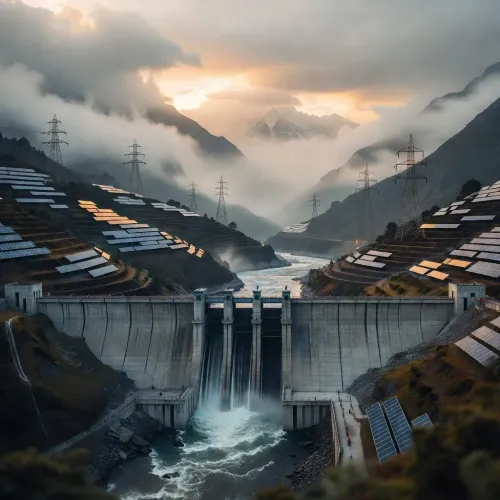
Mohan Yadav confirmed a proposed 2,000 MW pumped storage project at Gandhi Sagar on the Chambal River .
The project is intended to deliver energy self-reliance for the state and help manage electricity availability and cost.
Tourism promotion and local employment generation are cited alongside energy as core objectives of the Gandhi Sagar initiative.
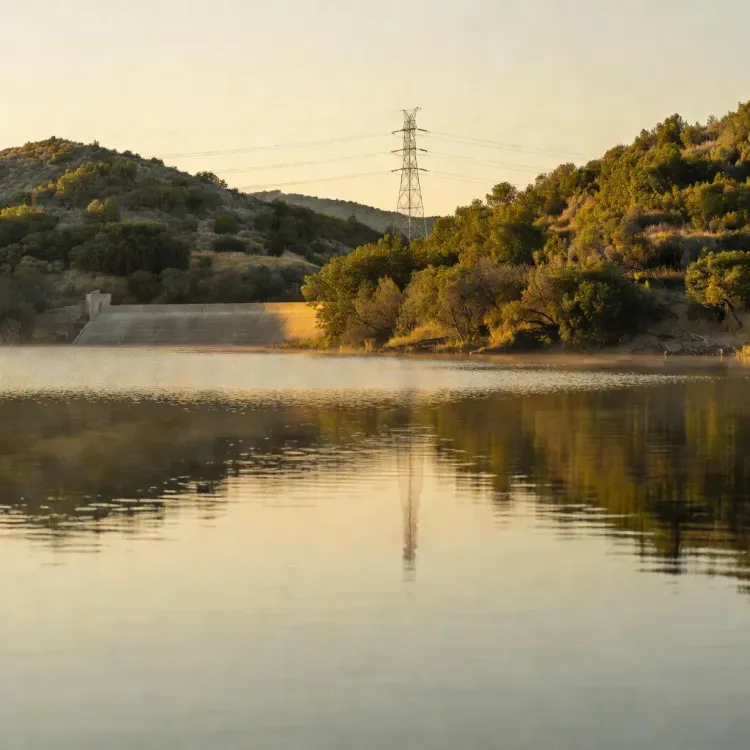
The Gandhi Sagar Dam , completed in 1960 , is one of Madhya Pradesh's oldest multipurpose river valley projects, now being repositioned for modern grid-storage use.
Cabinet approval would trigger the next steps: tendering, environmental clearances, and investment announcements for the storage facility.
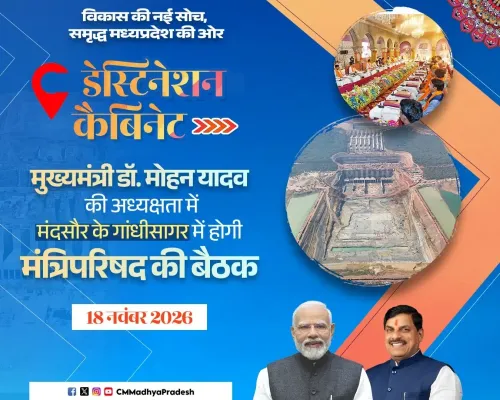
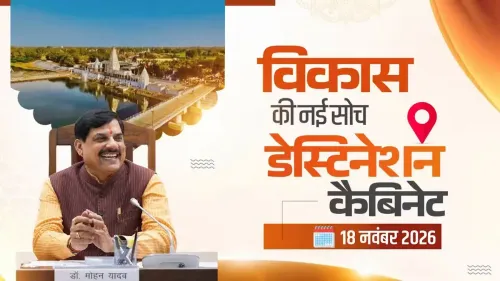
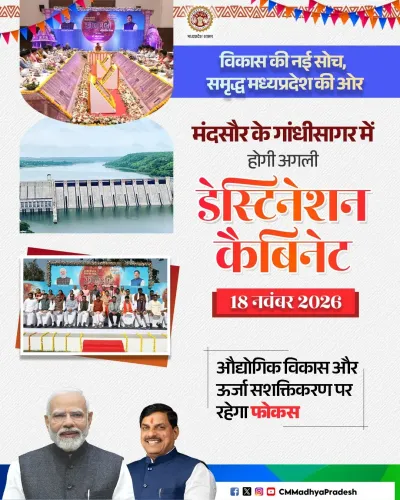
A dam that turned six decades old is about to become the centrepiece of Madhya Pradesh's most ambitious energy bet. The Chief Minister's Office of Madhya Pradesh announced on Tuesday, 17 November 2026 that a Cabinet meeting will be held at Gandhi Sagar — a deliberate choice of venue that signals the government's intent to revive and reimagine one of the state's oldest river-valley assets.
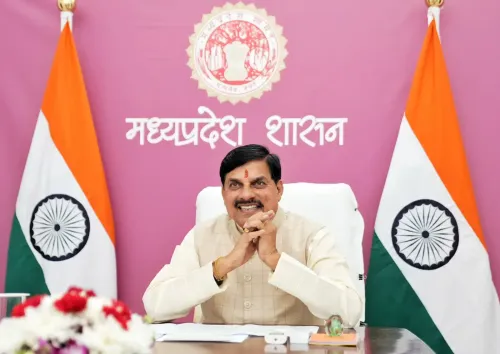
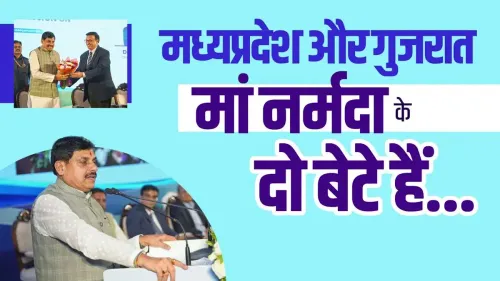
Chief Minister Dr. Mohan Yadav framed the significance plainly: 'Gandhi Sagar mein aayojit hone ja rahi Cabinet baithak vishesh mahatva rakhti hai' — 'The Cabinet meeting to be held at Gandhi Sagar holds special significance.' He said the gathering would not only put the region on a new map but actively expand tourism and local employment opportunities in the area.
A 2,000 MW Pumped Storage Plant at the Heart of It
The centrepiece of the agenda is a proposed 2,000 megawatt pumped storage project at Gandhi Sagar. If cleared and built, it would be a grid-scale facility — the kind of infrastructure that stores surplus electricity by pumping water uphill and releases it back through turbines when demand spikes. Dr. Yadav said the project would deliver energy self-reliance for the state alongside tangible economic gains, helping manage both electricity availability and cost.
The scale matters. A 2,000 MW pumped storage facility would rank among the larger such projects in India, designed specifically to support the grid as renewable energy — with its inherently variable output — grows as a share of national power supply. For Madhya Pradesh, which already hosts significant solar and hydropower capacity, adding storage at this scale would address the classic problem of power when the sun isn't shining or the wind isn't blowing.
Gandhi Sagar's Long Arc: From 1960 to a New Chapter
The Gandhi Sagar Dam, completed in 1960 on the Chambal River in western Madhya Pradesh, was one of the state's first major multipurpose river valley projects — built for irrigation and conventional hydropower. Holding the Cabinet meeting here is a symbolic act as much as a logistical one: it anchors a modern energy and tourism push to a legacy of post-Independence infrastructure ambition.
The government's framing ties three threads together — energy security, economic development, and regional identity — with the Cabinet meeting itself serving as the moment of formal political ownership over that vision. The tourism angle is not incidental: the Gandhi Sagar reservoir and surrounding landscape carry significant potential for eco-tourism and wildlife corridors that have historically been underleveraged.
What the Cabinet Must Now Do
The immediate next steps will determine whether this announcement translates into concrete timelines. Cabinet approval of the pumped storage proposal would open the door to tendering, environmental clearances, and investment commitments. Local communities and power consumers across Madhya Pradesh are the primary stakeholders — the former watching for employment and tourism spin-offs, the latter for any downstream relief on electricity costs.
India's broader push for grid-scale storage is at a tipping point, and state governments willing to move fast with existing water assets like Gandhi Sagar may well define the next decade of energy infrastructure. This Cabinet meeting is where Madhya Pradesh declares which side of that curve it intends to be on.
Point of View
The Yadav government is using venue as political messaging — linking a post-Independence irrigation legacy to a next-generation energy agenda. The 2,000 MW pumped storage proposal fits squarely within India's national push to add grid-scale storage to backstop its fast-growing but variable renewable capacity, and a state-level sanction could accelerate that timeline significantly. The bundling of energy, tourism, and regional identity in a single executive meeting is a deliberate attempt to build a broad coalition of local support for what will ultimately be a capital-intensive, long-gestation infrastructure project. If timelines slip or clearances stall, however, the symbolic weight of this moment could become a political liability rather than an asset.
NationPress
17 Nov 2026
Frequently Asked Questions
What is the Gandhi Sagar pumped storage project in Madhya Pradesh?
It is a proposed 2,000 megawatt pumped storage facility at the Gandhi Sagar reservoir on the Chambal River in western Madhya Pradesh, designed to store electricity for the grid and support energy self-reliance in the state.
Why is the Madhya Pradesh Cabinet meeting being held at Gandhi Sagar?
CM Dr. Mohan Yadav said the Cabinet meeting at Gandhi Sagar is intended to highlight the region's strategic importance and to advance decisions on the pumped storage project, tourism development, and local employment opportunities.
How does a pumped storage project work?
A pumped storage project uses surplus electricity to pump water to an upper reservoir, then releases it through turbines to generate power on demand — effectively acting as a large rechargeable battery for the electricity grid.
When was the Gandhi Sagar Dam built?
The Gandhi Sagar Dam was completed in 1960 as one of Madhya Pradesh's first major multipurpose river valley projects, built primarily for irrigation and conventional hydropower generation on the Chambal River.
What benefits will the Gandhi Sagar project bring to Madhya Pradesh?
CM Yadav cited energy self-reliance , lower electricity costs, better grid management, expanded tourism infrastructure, and increased local employment as the key benefits expected from the Gandhi Sagar initiative.