Puri Hails Modi's Manila Gurdwara Redevelopment Move
Synopsis
Union Petroleum Minister Hardeep Singh Puri lauds PM Modi's foundation-laying for a five-storey redevelopment of the historic Khalsa Diwan Gurdwara Sahib in Manila, Philippines, citing it as the latest milestone in a decade of Sikh heritage outreach.
Key Takeaways
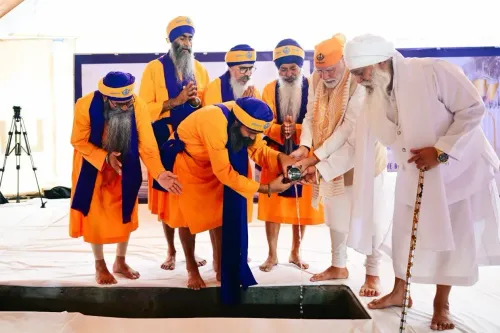
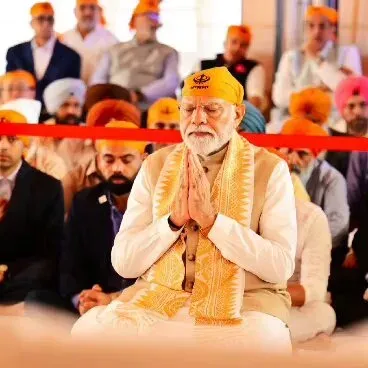
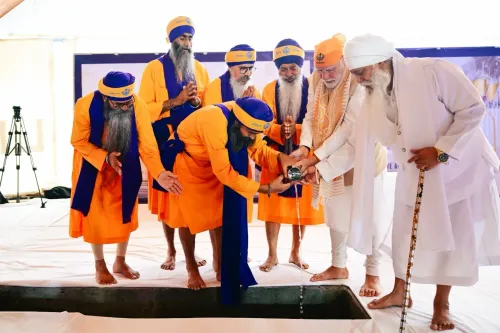
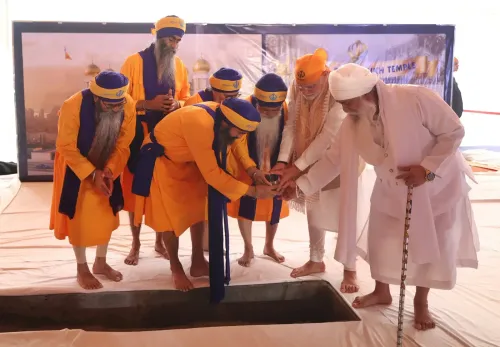
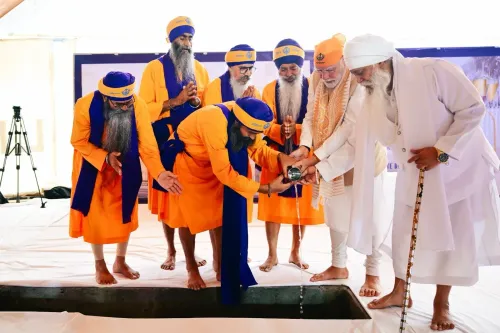
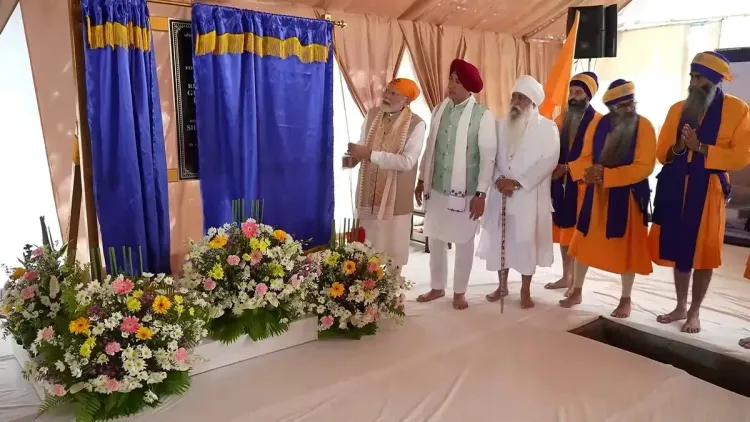
PM Modi laid the foundation stone for the redevelopment of the historic Khalsa Diwan Gurdwara Sahib in Manila, Philippines .
The new complex will be a five-storey modern gurdwara campus offering improved facilities for the local Sikh congregation.
Union Minister Hardeep Singh Puri linked the Manila project to a broader pattern of Sikh heritage actions since 2014.
The Kartarpur Sahib Corridor was opened in 2019 after over 70 years , and Veer Bal Diwas was instituted on 26 December to mark the martyrdom of the younger Sahibzadas.
Puri also cited the repatriation of sacred volumes of Sri Guru Granth Sahib Ji from Afghanistan and efforts toward justice for 1984 victims.
The Manila initiative is framed as an expression of India's cultural diplomacy and engagement with the global Sikh diaspora.
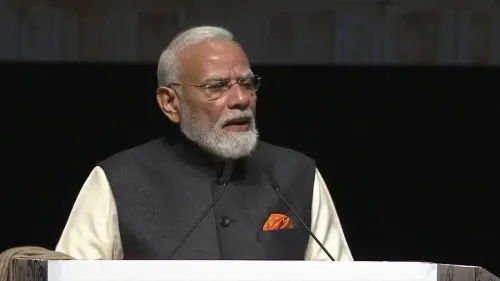
From the banks of the Kartarpur corridor to the streets of Manila — Union Petroleum Minister Hardeep Singh Puri argues that Prime Minister Narendra Modi's commitment to Sikh heritage has now crossed continents. On Tuesday, 17 November 2026, Puri took to X to salute Modi's laying of the foundation stone for the redevelopment of the historic Khalsa Diwan Gurdwara Sahib in Manila, Philippines — framing it as the latest chapter in a decade-long arc of outreach to the global Sikh community.
A Five-Storey Vision in Manila
At the heart of Puri's post is a concrete announcement: the Khalsa Diwan Gurdwara Sahib in Manila — described as a historic institution for the Sikh sangat (congregation) in the Philippines — is set for a comprehensive, five-storey redevelopment. The new complex, Puri writes, will offer the local Sikh congregation better facilities and adequate space for community activities. For a diaspora community that has maintained this gurdwara far from the subcontinent, the scale of the project signals institutional recognition from the highest level of Indian government.
The Policy Thread Puri Draws: 2014 to Manila
Puri does not present the Manila move in isolation. His post maps a deliberate sequence. The government instituted Veer Bal Diwas on 26 December each year to commemorate the martyrdom of Guru Gobind Singh's younger sons — the Chote Sahibzade — bringing a centuries-old sacrifice into the national calendar. The Kartarpur Sahib Corridor, opened in 2019 after more than 70 years, reconnected Indian Sikh pilgrims with one of their holiest sites across the border in Pakistan. Puri also cites efforts toward justice for victims of the 1984 anti-Sikh violence, and the repatriation of sacred saroops (volumes) of Sri Guru Granth Sahib Ji from Afghanistan to India — moments that carry enormous emotional weight for the community.
Read together, the list is a political argument as much as a tribute: that the present administration has consistently converted Sikh faith-heritage into concrete policy action, both at home and abroad.
Diaspora Diplomacy and What It Signals
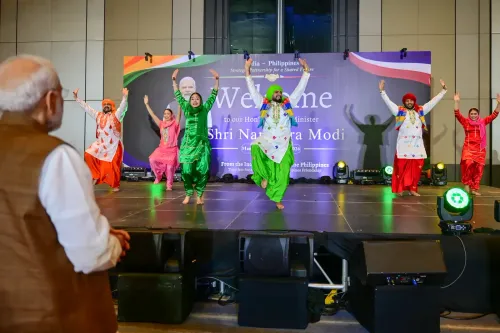
The Manila gurdwara project is worth watching beyond its religious symbolism. India's engagement with its Sikh diaspora — estimated in the millions across North America, the United Kingdom, and Southeast Asia — has increasingly blended cultural diplomacy with bilateral relationship-building. A government-backed foundation-laying ceremony at an overseas gurdwara projects soft power, reassures the diaspora of Delhi's regard, and strengthens people-to-people ties with host nations. Puri closes his post with the Khalsa greeting: 'Wahe Guru Ji Ka Khalsa, Wahe Guru Ji Ki Fateh' — a pointed choice that underlines the register of reverence, not mere policy.
Whether the Manila project catalyses similar overseas heritage initiatives will be the real measure of this commitment. The foundation stone has been laid. The five storeys remain to be built.
Point of View
Emotionally resonant acts at Sikh heritage sites to consolidate the community's political goodwill. Puri's enumeration of past milestones, from Kartarpur to Veer Bal Diwas, reads as a party communication reinforcing a governance narrative ahead of any electoral cycle. The overseas dimension is new and potentially significant: directing state attention and symbolic prestige toward a gurdwara in Southeast Asia signals that India's Sikh heritage diplomacy is consciously going global. How the Sikh diaspora in the Philippines and beyond responds — and whether further overseas gurdwara projects follow — will test whether this is a one-off gesture or a durable foreign-policy plank.
NationPress
17 Nov 2026
Frequently Asked Questions
What is the Khalsa Diwan Gurdwara Sahib in Manila?
The Khalsa Diwan Gurdwara Sahib is a historic gurdwara located in Manila, Philippines, serving the local Sikh congregation. PM Modi recently laid the foundation stone for its redevelopment into a five-storey modern complex.
What is Veer Bal Diwas and when is it observed?
Veer Bal Diwas is an annual observance on 26 December instituted by the Government of India to commemorate the martyrdom of the younger sons of Guru Gobind Singh, known as the Chote Sahibzade.
When was the Kartarpur Sahib Corridor opened?
The Kartarpur Sahib Corridor was opened in 2019 , more than 70 years after Partition, allowing Indian Sikh pilgrims visa-free access to Kartarpur Sahib gurdwara in Pakistan.
Why did Hardeep Singh Puri post about the Manila gurdwara?
Union Petroleum Minister Hardeep Singh Puri praised PM Modi's foundation-laying at the Manila gurdwara, framing it as the latest in a series of significant steps taken by the Modi government in support of Sikh heritage, faith, and the global Sikh diaspora.
What does the Manila gurdwara redevelopment include?
The redevelopment of the Khalsa Diwan Gurdwara Sahib in Manila will create a five-storey modern gurdwara complex, providing the local Sikh community with better religious facilities and adequate space for community activities.