PM Modi lays foundation stone at Manila's Gurudwara Khalsa Diwan, Philippines' oldest
Synopsis
On the sidelines of the ASEAN-India Summit in Manila, PM Modi laid the foundation stone for the redevelopment of Gurudwara Khalsa Diwan — the Philippines' oldest Sikh shrine, founded in 1901. It is a rare blend of soft-power diplomacy and diaspora outreach, reinforcing India's Act East Policy with a century-old cultural anchor.
Key Takeaways
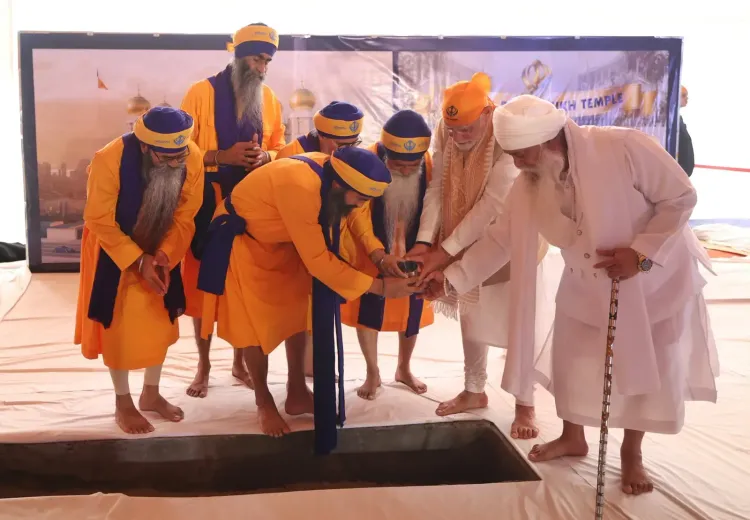
PM Narendra Modi laid the foundation stone for the redevelopment of Gurudwara Khalsa Diwan in Manila on 17 November 2026 .
The gurudwara is the oldest in the Philippines , originally established in 1901 and formally organised in 1903 .
Senator Francis Joseph Escudero and Manila City Mayor Francisco Isko Moreno attended the ceremony alongside Modi.
Modi is in Manila to attend the 23rd ASEAN-India Summit and the 21st East Asia Summit , hosted by the Philippines as ASEAN Chair for 2026 .
The ASEAN-India Summit will review the Comprehensive Strategic Partnership and the ASEAN-India Plan of Action for 2026–2030 .
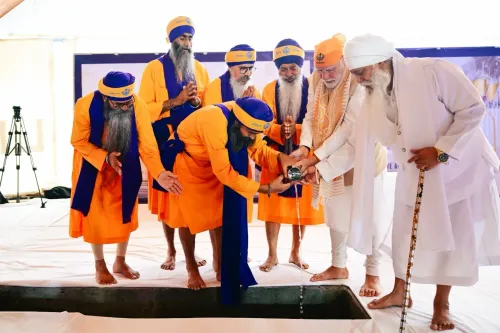
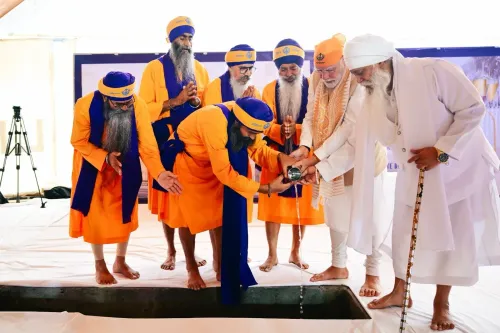
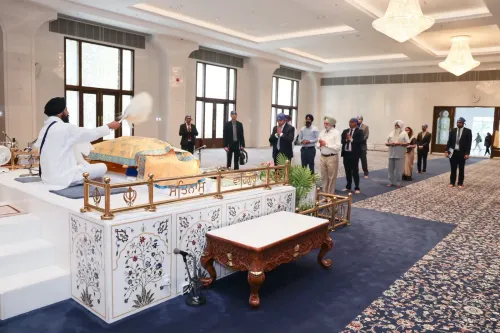
Prime Minister Narendra Modi on Tuesday, 17 November 2026, led the foundation-stone laying ceremony for the redevelopment of Gurudwara Khalsa Diwan in Manila — the oldest Sikh place of worship in the Philippines, with a history stretching over 120 years. The event marked a significant moment in India-Philippines ties, underscoring the enduring presence of the Indian-Sikh diaspora in Southeast Asia.
A Gurudwara With Over a Century of History
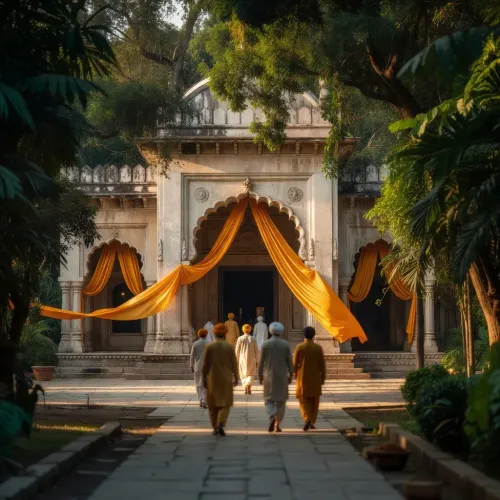
According to the Ministry of External Affairs (MEA), Gurudwara Khalsa Diwan was originally established in 1901, formally organised in 1903, and registered as Khalsa Diwan in 1924. The MEA described the gurudwara as holding 'a unique distinction of being the oldest Gurudwara in the Philippines,' noting that it 'continues to play an important role through its spiritual, cultural and philanthropic activities for the Sikh and other communities in Manila.'
The Ministry further stated that the gurudwara stands as a 'vital bridge' between the Indian-Sikh community and Philippine society — a role it has played across colonial, wartime, and post-independence eras in the Philippines.
Who Was Present at the Ceremony
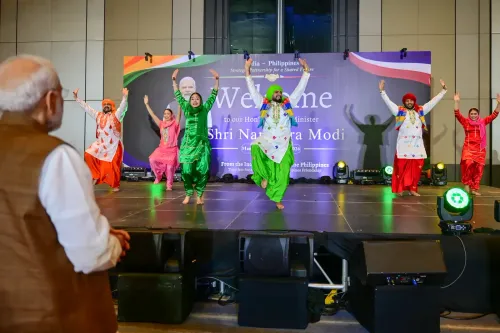
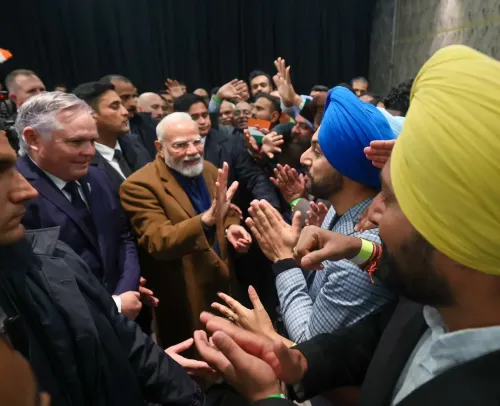
Senior Philippine officials joined Prime Minister Modi at the event. Senator Francis Joseph Escudero and Manila City Mayor Francisco Isko Moreno were both present, lending official weight to the occasion. Modi also interacted with members of the Indian diaspora and the Sikh community in Manila during the event, reinforcing people-to-people ties between the two nations.
Modi's Manila Visit: ASEAN and East Asia Summits
Prime Minister Modi arrived in Manila on Monday to attend the 23rd ASEAN-India Summit and the 21st East Asia Summit (EAS), both hosted by the Philippines in its capacity as ASEAN Chair for 2026. The gurudwara ceremony preceded his participation in the two multilateral gatherings later in the day.
The ASEAN-India Summit is set to review progress under the Comprehensive Strategic Partnership, including the ASEAN-India Plan of Action for 2026–2030. It will also assess existing areas of cooperation and chart the future course of engagement between India and ASEAN member states. The 21st East Asia Summit, meanwhile, will serve as a platform for leaders to exchange views on key regional and global developments and discuss issues of shared concern across ASEAN and participating nations.
Significance for Indian Diaspora Diplomacy
The foundation-stone laying fits a broader pattern of Indian diplomatic outreach through diaspora institutions. Notably, Modi has used gurudwaras and Indian cultural sites abroad as soft-power touchpoints — from the Golden Temple's global prominence to diaspora events in the United States, United Kingdom, and Australia. The Manila ceremony connects that tradition to Southeast Asia, a region where India has been deepening strategic and economic engagement under its Act East Policy.
With the redevelopment of the Khalsa Diwan Gurudwara now formally initiated, the structure is expected to serve not only as a religious centre but also as a cultural landmark reinforcing the Indian community's century-long roots in the Philippines.
Point of View
And elevating a 125-year-old institution sends a signal about continuity and commitment. The more substantive question is whether the ASEAN-India summits that follow will produce binding outcomes or add to the growing pile of partnership declarations that lack enforcement timelines. India's Act East Policy is a decade old; the gap between intent and economic integration with ASEAN remains wide.
NationPress
17 Nov 2026
Frequently Asked Questions
What is Gurudwara Khalsa Diwan in Manila?
Gurudwara Khalsa Diwan is the oldest Sikh place of worship in the Philippines, originally established in 1901, formally organised in 1903, and registered as Khalsa Diwan in 1924. It serves as a spiritual, cultural, and philanthropic centre for the Sikh and broader Indian community in Manila.
Why did PM Modi attend the foundation-stone ceremony in Manila?
PM Modi participated in the foundation-stone laying for the gurudwara's redevelopment as part of his official visit to Manila for the 23rd ASEAN-India Summit and the 21st East Asia Summit. The ceremony underscored India's diaspora outreach and soft-power diplomacy in Southeast Asia.
Which summits is PM Modi attending in Manila?
PM Modi is attending the 23rd ASEAN-India Summit and the 21st East Asia Summit, both hosted by the Philippines in its capacity as ASEAN Chair for 2026. The ASEAN-India Summit will review the Comprehensive Strategic Partnership and the Plan of Action for 2026–2030.
Who else attended the gurudwara ceremony with PM Modi?
Philippine Senator Francis Joseph Escudero and Manila City Mayor Francisco Isko Moreno were present at the ceremony alongside Prime Minister Modi. Members of the Indian diaspora and Sikh community in Manila also participated in the event.
What is the ASEAN-India Plan of Action for 2026–2030?
The ASEAN-India Plan of Action for 2026–2030 is a framework outlining areas of cooperation between India and ASEAN member states under the Comprehensive Strategic Partnership. Progress on its implementation will be reviewed at the 23rd ASEAN-India Summit in Manila.