CM Sai Marks Janjatiya Gaurav Diwas With Tribal Education Push
Synopsis
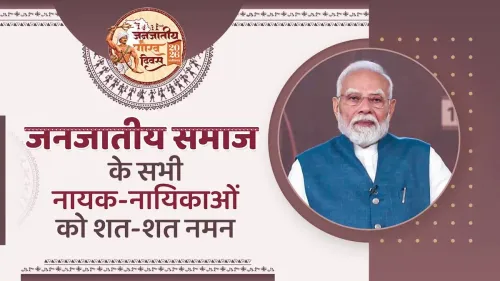
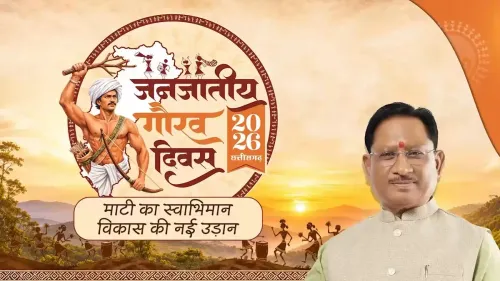
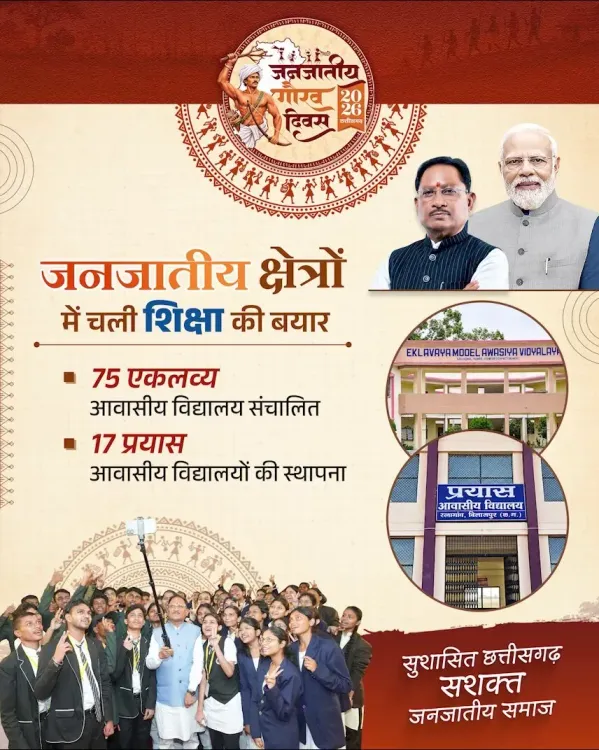
On Janjatiya Gaurav Diwas, Chhattisgarh CM Vishnu Deo Sai declared education has reached tribal regions of the state and pledged that every child's future is being shaped under his government's 'good governance' agenda.
Key Takeaways
CM Vishnu Deo Sai posted on 17 November 2026 marking Janjatiya Gaurav Diwas with a focus on education outreach in tribal areas.
Janjatiya Gaurav Diwas falls on 15 November , the birth anniversary of Birsa Munda , and was instituted by the Central government in 2021 .
Chhattisgarh has one of India's highest Scheduled Tribe populations, with many communities in remote forest blocks historically underserved by schools.
The BJP's national tribal education push includes the Eklavya Model Residential Schools scheme, which Sai's state government has aligned with.
Sai's post signals coordinated BJP messaging across states using the annual observance as a platform to highlight education delivery to tribal constituencies.
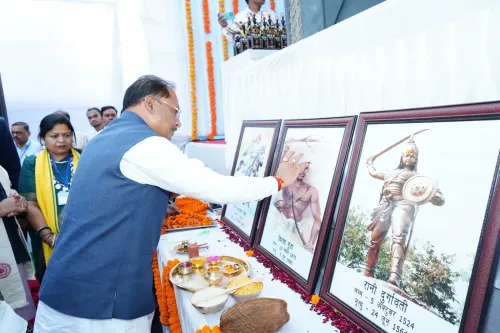
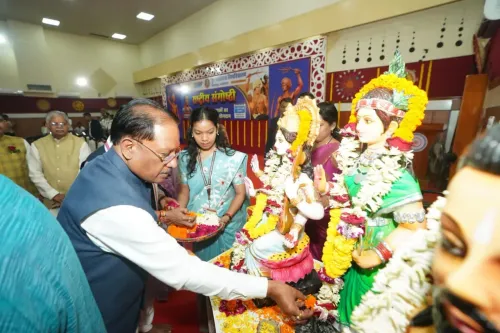
On Janjatiya Gaurav Diwas, Chhattisgarh Chief Minister Vishnu Deo Sai declared that the winds of education have finally reached tribal regions of the state — and that every child's bright future is now taking shape under what his government calls 'suशासन' (good governance).
A Day of Tribal Pride, A Message on Schools
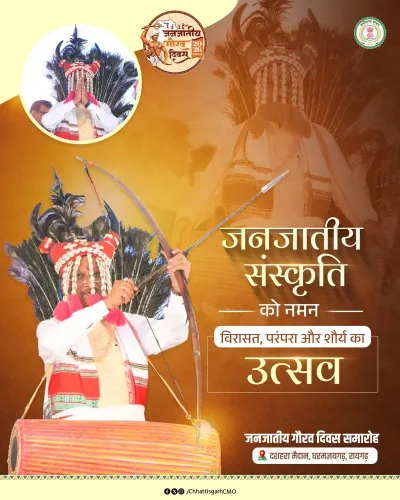
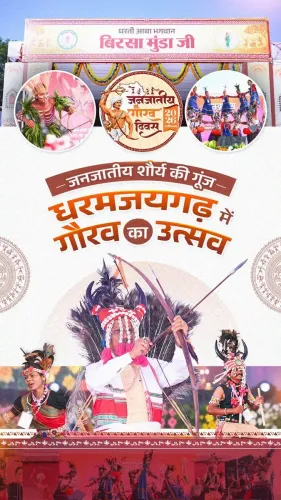
Observed every year on 15 November — the birth anniversary of tribal icon Birsa Munda — Janjatiya Gaurav Diwas was instituted by the Central government in 2021 to honour the contributions of Scheduled Tribe communities and amplify welfare commitments toward them. CM Sai's post, shared on 17 November 2026, tied the state's education outreach directly to the spirit of the occasion, posting in Hindi: 'जनजातीय अंचलों में पहुंची शिक्षा की बयार' — 'the breeze of education has reached tribal regions.'
Tribal Belts, Residential Schools, and the BJP's Governance Pitch
Chhattisgarh holds one of India's highest concentrations of Scheduled Tribe population, spread across forested and remote blocks where access to quality schooling has historically been uneven. At the national level, BJP-led governments have pushed the Eklavya Model Residential Schools programme as a flagship instrument for delivering secondary education inside Scheduled Areas — building boarding facilities designed to keep tribal children in school through the critical middle and high-school years.
Sai, who took office in December 2023, has consistently framed his administration's tribal outreach as a fulfilment of that broader national agenda at the state level. The #JanjatiyaGauravDiwas hashtag on his post signals a coordinated messaging moment across BJP-governed states, using the annual observance as a platform to report delivery on education promises to tribal constituencies.
What the Message Signals for Tribal Communities
The post is short on specific numbers or scheme names — but its political weight is clear. For the tribal communities of Chhattisgarh's interior, education access is not an abstract governance metric; it is the clearest signal of whether a government's attention has physically arrived in their villages. By anchoring his message to 'हर बच्चे का उज्ज्वल भविष्य' — 'every child's bright future' — Sai is making a promise as much as a report card.
The coming months will test that promise: rollout updates on state-level residential and primary school schemes in tribal blocks, and any concrete announcements tied to Janjatiya Gaurav Diwas observances, will reveal how far the 'breeze' has actually travelled.
Point of View
Implying a delivery gap has now been closed. For the BJP's national tribal outreach strategy, Chhattisgarh — a state where Scheduled Tribes can decide legislative majorities — is a critical proving ground. Whether the messaging is matched by verifiable on-ground expansion of schools and residential facilities in tribal blocks will shape the government's credibility with these communities ahead of future electoral cycles.
NationPress
17 Nov 2026
Frequently Asked Questions
What is Janjatiya Gaurav Diwas and why is it celebrated on 15 November?
Janjatiya Gaurav Diwas is an annual national observance on 15 November , the birth anniversary of tribal freedom fighter Birsa Munda . The Central government instituted it in 2021 to recognise the contributions of Scheduled Tribe communities and promote tribal welfare schemes across India.
What did Chhattisgarh CM Vishnu Deo Sai say about tribal education?
CM Vishnu Deo Sai declared that the 'breeze of education' has reached tribal regions of Chhattisgarh and that every child's bright future is 'taking shape' under his government's good-governance agenda, posting the message on the occasion of Janjatiya Gaurav Diwas .
What is the Eklavya Model Residential School scheme?
The Eklavya Model Residential Schools scheme is a Central government programme that builds boarding schools inside Scheduled Areas to provide quality secondary education to tribal students, keeping them enrolled through the critical middle and high-school years.
When did Vishnu Deo Sai become Chief Minister of Chhattisgarh?
Vishnu Deo Sai took office as Chief Minister of Chhattisgarh in December 2023 after the BJP won the state assembly elections.
Why is tribal education important in Chhattisgarh?
Chhattisgarh has one of India's highest concentrations of Scheduled Tribe population, many living in remote forested blocks where access to quality schooling has historically been limited — making education outreach a central political and development priority in the state.