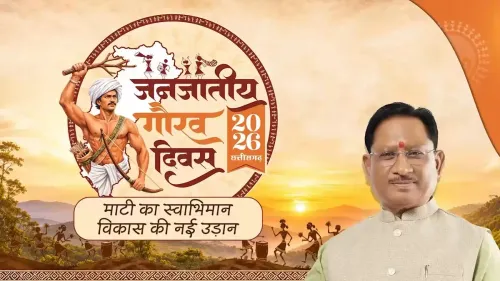
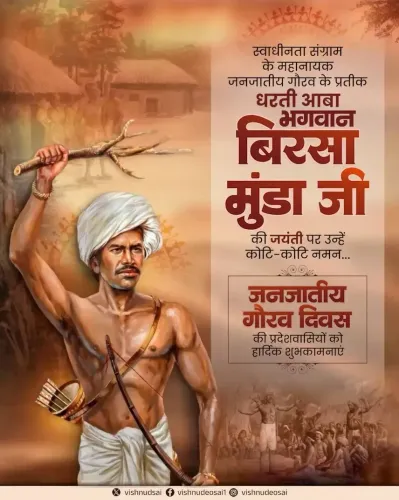
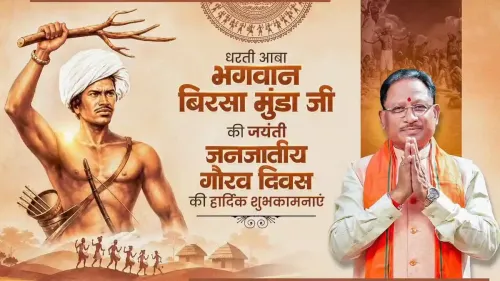
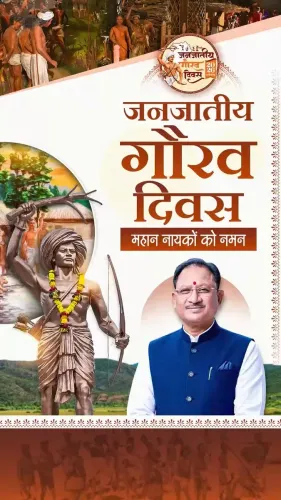
CM Vishnu Deo Sai marks Janjatiya Gaurav Diwas in Dharamjaigarh
Synopsis
On Janjatiya Gaurav Diwas, Chhattisgarh CM Vishnu Deo Sai celebrated a massive tribal gathering in Dharamjaigarh, calling it living proof of community pride in folk culture and ancestral legacy. The day marks Birsa Munda's birth anniversary, instituted as a national observance in 2021.
Key Takeaways
Janjatiya Gaurav Diwas is observed every 15 November , coinciding with the birth anniversary of tribal icon Birsa Munda .
The Central Government instituted the observance in 2021 to recognise tribal contributions to India's history.
CM Vishnu Deo Sai attended celebrations in Dharamjaigarh , a tribal-belt town in Chhattisgarh.
The CM described the gathering as a living testament to tribal communities' love for their culture, traditions, and ancestors.
Chhattisgarh regularly uses the occasion for large-scale cultural events aligned with the state's significant Scheduled Tribe population.
The traditional greeting 'Johar' featured prominently in the CM's post, reflecting the cultural identity at the heart of the observance.
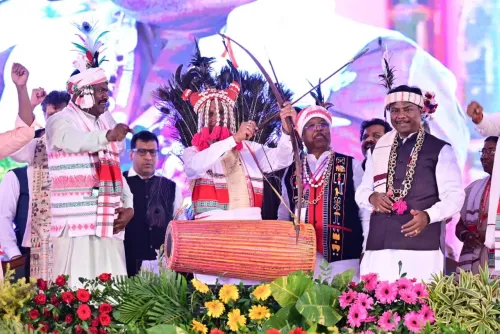
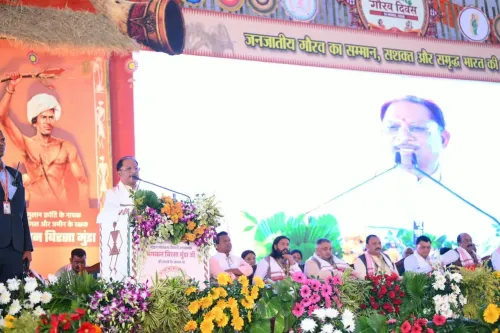
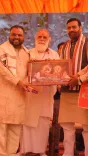
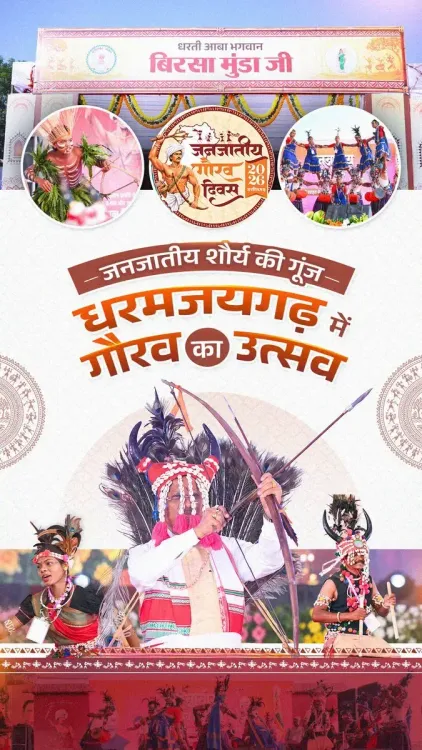
Thousands gathered in Dharamjaigarh on 15 November 2026 as Chhattisgarh Chief Minister Vishnu Deo Sai marked Janjatiya Gaurav Diwas — a day that belongs, above all, to the tribal heartland. The air carried folk rhythms, ancestral pride, and what the CM called the living proof of an unbreakable love for culture and heritage.
Posting on X, CM Sai described the outpouring in Dharamjaigarh as 'माटी की महक, लोकसंस्कृति की झलक और जनजातीय स्वाभिमान की गूंज' — 'the fragrance of the soil, a glimpse of folk culture, and the resonance of tribal self-respect.' He called the mass gathering a testament to the community's bond with its 'glorious legacy of culture, traditions and valiant ancestors,' signing off with the words: 'These are our roots, this is our pride.'
A day rooted in Birsa Munda's birth anniversary
The occasion is no ordinary state event. Janjatiya Gaurav Diwas was instituted by the Government of India in 2021 to coincide with the birth anniversary of Birsa Munda — the revered tribal freedom fighter and folk hero — and to formally recognise the contributions of Scheduled Tribe communities to the nation's history. Every 15 November, states with large tribal populations anchor large-scale public celebrations around this mandate.
Chhattisgarh, home to a significant Scheduled Tribe population, sits at the centre of that observance. Dharamjaigarh, a town in the state's tribal belt, has become a focal point for such gatherings, where folk performances, traditional music, and community processions translate policy recognition into lived celebration.
Chhattisgarh's pattern of tribal cultural outreach
For CM Sai — himself a prominent tribal leader and BJP figure — the day carries personal as well as political resonance. State leaders in Chhattisgarh have consistently used Janjatiya Gaurav Diwas to stage high-visibility events that blend cultural showcase with government outreach in tribal districts. The hashtag #JanjatiyaGauravDiwas and the salutation #जोहार_नितिन_जी — 'Johar' being a traditional tribal greeting — in the CM's post underscore both the communal warmth and the broader political alignment with tribal identity politics.
The convergence of central recognition, a state CM from a tribal background, and a town like Dharamjaigarh makes this year's gathering a vivid illustration of how national policy frameworks get translated into grassroots cultural energy on the ground.
Whether the state follows the celebrations with fresh welfare or infrastructure announcements for tribal areas remains the question that the community will be watching for in the days ahead.
Frequently Asked Questions
What is Janjatiya Gaurav Diwas and why is it celebrated on 15 November?
Janjatiya Gaurav Diwas is an annual national observance established by the Government of India in 2021 to honour tribal contributions to the country. It is held on 15 November to mark the birth anniversary of Birsa Munda, the revered tribal freedom fighter.
Where did Chhattisgarh celebrate Janjatiya Gaurav Diwas in 2026?
Chhattisgarh Chief Minister Vishnu Deo Sai marked Janjatiya Gaurav Diwas 2026 at Dharamjaigarh, a town in the state's tribal belt that hosted a large public gathering of tribal communities.
Who is Vishnu Deo Sai?
Vishnu Deo Sai is the Chief Minister of Chhattisgarh and a senior BJP leader. He is himself from a tribal community, which lends personal significance to his participation in tribal heritage events.
What does 'Johar' mean in the context of tribal culture?
'Johar' is a traditional greeting used by tribal communities in central India, expressing respect and solidarity. CM Sai used it in his post as a cultural salutation on Janjatiya Gaurav Diwas.
When was Janjatiya Gaurav Diwas first instituted in India?
The Government of India instituted Janjatiya Gaurav Diwas in 2021 to formally recognise the historical contributions of Scheduled Tribe communities and honour tribal icons like Birsa Munda.