CM Sai Pays Tribute to Birsa Munda on Janjatiya Gaurav Diwas
Synopsis
Chhattisgarh Chief Minister Vishnu Deo Sai marked Janjatiya Gaurav Diwas on 15 November by honouring Bhagwan Birsa Munda, calling the tribal icon the 'great hero of the freedom struggle' and extending greetings to all residents of the state.
Key Takeaways
Janjatiya Gaurav Diwas falls on 15 November every year — the birth anniversary of Bhagwan Birsa Munda .
The national observance was declared by the Government of India in 2021 to honour tribal freedom fighters.
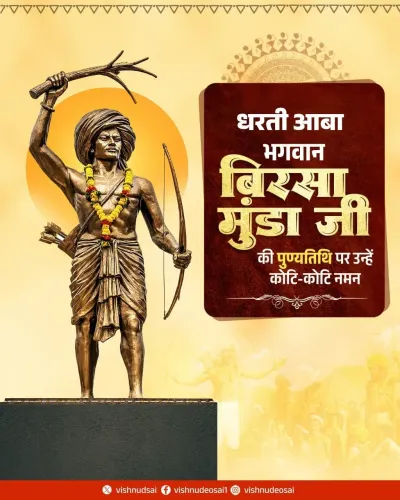
CM Vishnu Deo Sai described Birsa Munda as Dharti Aaba — Father of the Earth — and saluted his struggle for tribal identity and rights.
Chhattisgarh has one of India's largest tribal populations, with over 30 percent of residents belonging to Scheduled Tribe communities.
Birsa Munda led the Munda Rebellion against British land policies in the Chota Nagpur region in the late nineteenth century, dying in British custody in 1900 .
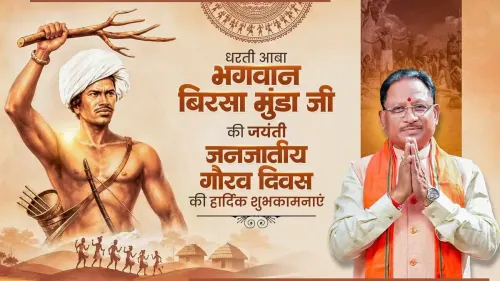
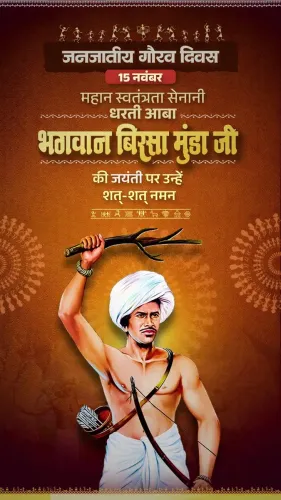
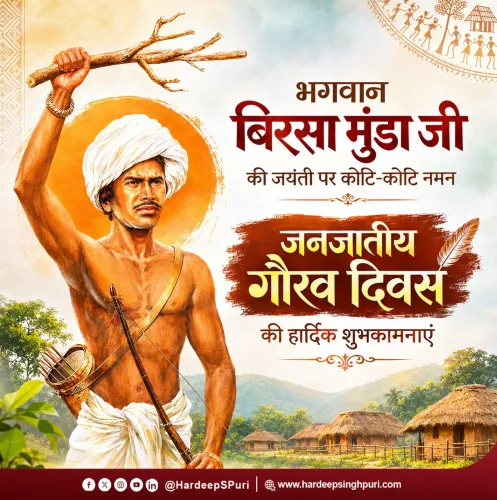
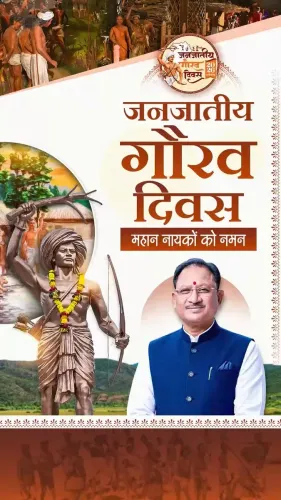
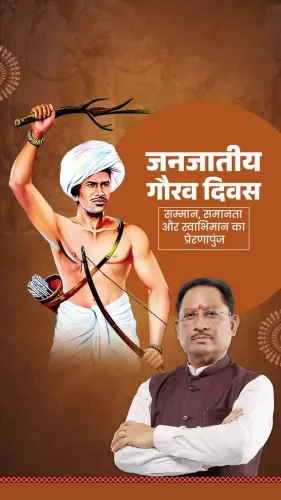
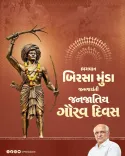
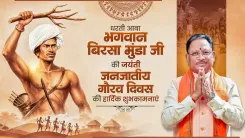
On the birth anniversary of Bhagwan Birsa Munda — the tribal icon who defied the British Empire in the forests of Chota Nagpur — Chhattisgarh Chief Minister Vishnu Deo Sai offered his homage and extended greetings to the people of the state on Janjatiya Gaurav Diwas, 15 November 2026.
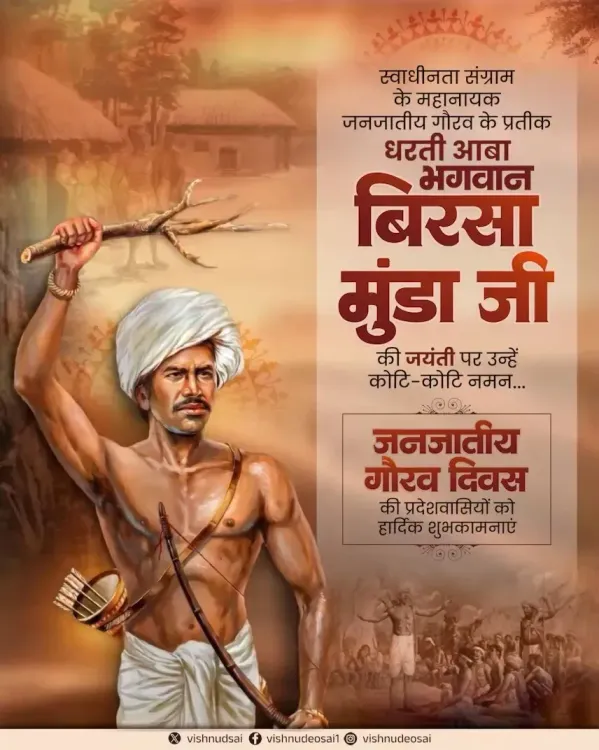
Posting on X in Hindi, CM Sai called Birsa Munda 'Dharti Aaba' — 'Father of the Earth' — and described him as 'swadheenata sangram ke mahanayak aur janjatiya asmita ke prakhar swar', meaning 'the great hero of the freedom struggle and the fierce voice of tribal identity'. He extended what he called 'koti-koti naman' — innumerable salutations — to the legend, alongside heartfelt wishes to all residents of Chhattisgarh on the occasion.
Who Was Birsa Munda — and Why This Day Matters
Birsa Munda, born on 15 November 1875 in the Chota Nagpur region of present-day Jharkhand, led the Munda Rebellion in the late nineteenth century — a fierce uprising against British land-grab policies that stripped tribal communities of their forest and agricultural rights. He mobilised thousands under the rallying cry of Ulgulan (the Great Tumult), demanding both political sovereignty and the restoration of tribal land. He died in British custody in 1900, aged just twenty-five, but his legacy endured as a symbol of tribal dignity and resistance.
In 2021, the Government of India formally declared 15 November as Janjatiya Gaurav Diwas — Tribal Pride Day — to honour the contributions of tribal freedom fighters to India's independence movement. The date was chosen specifically for Birsa Munda's birth anniversary, cementing his place in the national consciousness alongside other icons of the freedom struggle.
Chhattisgarh's Tribal Heartbeat
Chhattisgarh is among India's most tribal-intensive states: over 30 percent of its population belongs to Scheduled Tribe communities. For CM Sai — himself a member of the Kuduk tribal community and the state's first tribal Chief Minister — the observance carries particular weight. His post underscored that Birsa Munda's struggle for tribal culture, identity, and rights 'will continue to inspire us all forever.'
State governments in tribal-heavy regions across central and eastern India routinely mark the day with parallel commemorations, keeping Birsa Munda's memory woven into both political and cultural life. The national observance, now in its fifth year, has steadily elevated tribal freedom fighters from footnotes into the foreground of India's independence narrative.
In a state where tribal rights, forest access, and cultural preservation remain live political questions, the annual tribute is more than ceremony — it is a signal about whose history is being told, and by whom.
Point of View
A demographic that is electorally decisive in central and eastern India. CM Sai's tribute, as a tribal leader himself, adds an authenticity that goes beyond routine political messaging. The choice to institutionalise this day in 2021 represents a deliberate rewriting of the national memory of the freedom struggle to include tribal voices that were long marginalised in mainstream history. Whether this cultural recognition translates into substantive tribal welfare outcomes — on land rights, forest access, and self-governance — remains the more consequential question.
NationPress
15 Nov 2026
Frequently Asked Questions
What is Janjatiya Gaurav Diwas and why is it celebrated on 15 November?
Janjatiya Gaurav Diwas is India's national Tribal Pride Day, observed on 15 November — the birth anniversary of Bhagwan Birsa Munda . The Government of India officially declared the observance in 2021 to honour the contributions of tribal communities to the country's freedom struggle.
Who was Bhagwan Birsa Munda?
Bhagwan Birsa Munda was a tribal leader born on 15 November 1875 in the Chota Nagpur region. He led the Munda Rebellion against British land policies in the late nineteenth century and is revered as Dharti Aaba — Father of the Earth — by tribal communities across India.
What did CM Vishnu Deo Sai say on Janjatiya Gaurav Diwas 2026?
CM Vishnu Deo Sai posted a tribute on X calling Birsa Munda the 'great hero of the freedom struggle and the fierce voice of tribal identity.' He offered koti-koti naman — innumerable salutations — and extended greetings to all residents of Chhattisgarh on the occasion.
What percentage of Chhattisgarh's population is tribal?
Over 30 percent of Chhattisgarh's population belongs to Scheduled Tribe communities, making it one of India's most tribal-intensive states.
When did the Indian government declare Janjatiya Gaurav Diwas?
The Government of India declared 15 November as Janjatiya Gaurav Diwas in 2021 , institutionalising the annual recognition of tribal freedom fighters' contributions to India's independence movement.