CM Sawant Marks Janjatiya Gaurav Divas, Honours Birsa Munda
Synopsis
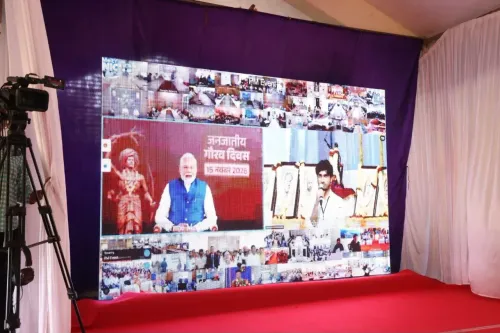
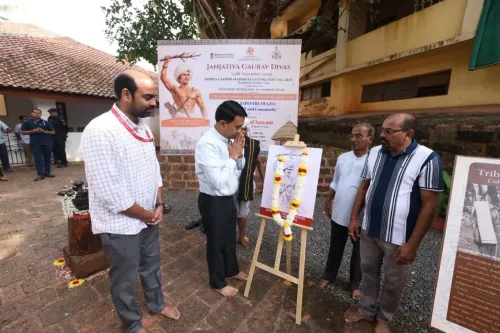
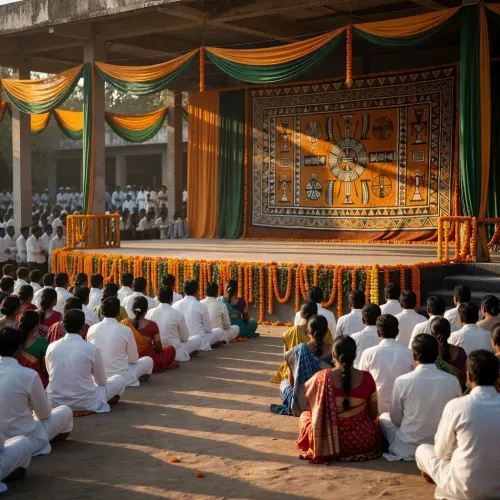
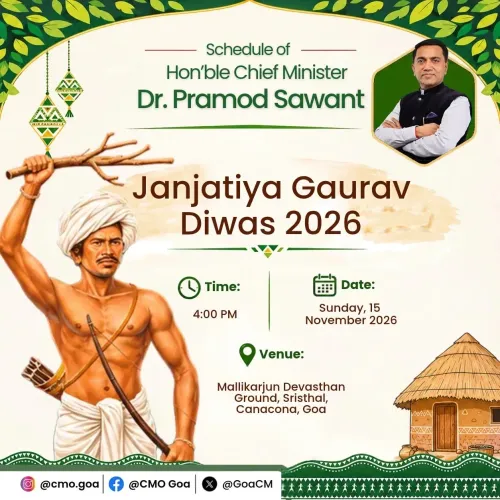
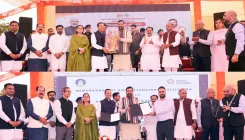
Goa Chief Minister Pramod Sawant marked Janjatiya Gaurav Divas on 15 November 2026 by honouring Bhagwan Birsa Munda and celebrating the heritage, traditions, and identity of Goa's indigenous tribal communities including the Kunbi and Velip.
Key Takeaways
Janjatiya Gaurav Divas is observed annually on 15 November , declared by the Government of India in 2021 to mark Birsa Munda's birth anniversary.
Bhagwan Birsa Munda (1875–1900) led the Munda tribal uprising against British colonial rule and died in custody at age 25.
Goa's tribal communities include the Kunbi and Velip , whose heritage Sawant highlighted on the occasion.
CM Pramod Sawant framed the observance around Goa's specific indigenous identity, going beyond the Central government's national narrative.
The annual day is part of a broader national effort to integrate tribal contributions into mainstream cultural and historical discourse.
Every 15 November, India pauses to remember a 25-year-old tribal leader who shook the British Empire — and Goa Chief Minister Pramod Sawant used that moment to celebrate the state's own indigenous communities on Janjatiya Gaurav Divas 2026.
Birsa Munda: the man behind the national observance
Bhagwan Birsa Munda, born on 15 November 1875 in present-day Jharkhand, led the Ulgulan — the Great Tumult — a fierce Munda tribal uprising against British colonial land seizures and forced religious conversion in the late 19th century. Arrested in 1900, he died in custody at just 25, but his resistance permanently altered how colonial administrators dealt with tribal land rights. The Government of India declared 15 November as Janjatiya Gaurav Divas in 2021, anchoring his birth anniversary as a national day of tribal pride.
Goa's tribal communities take centre stage
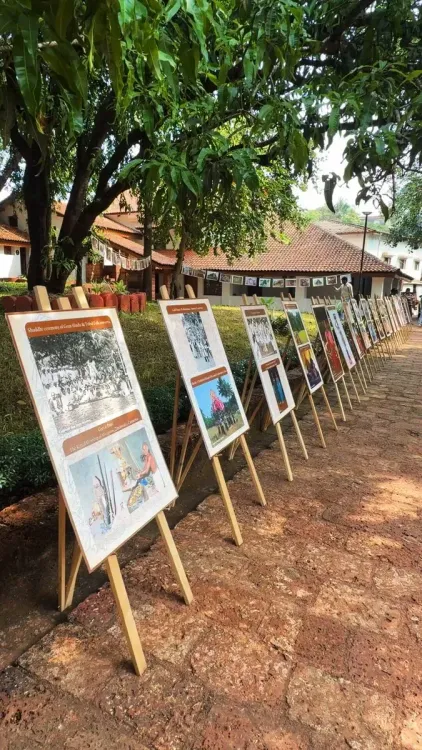
Goa is home to indigenous communities including the Kunbi and Velip, whose traditions, folk practices, and land relationships form a distinct strand of the state's cultural identity — one that sits alongside its better-known Portuguese and Catholic heritage. CM Sawant's post explicitly framed the occasion around 'Goa's tribal heritage, traditions and identity', signalling the state government's intent to spotlight these communities within the national commemorative frame rather than treat the day as a purely Central-government exercise.
Tribal narratives moving into the mainstream
The annual observance is part of a broader pattern in which Central and state governments have worked to integrate tribal icons into mainstream cultural and historical discourse — from museums and curricula to ceremonial state events. For BJP-governed states in particular, Birsa Munda has become a symbol that bridges tribal identity with the party's cultural-nationalist agenda. Sawant's participation follows that arc while adding a specifically Goan dimension to it.
Goa's tribal communities will be watching whether the rhetoric of heritage and pride translates into concrete welfare measures — land rights, cultural preservation funding, and representation — in the months that follow the commemoration.
Point of View
Allowing the party to build tribal outreach on a foundation of historical pride rather than solely welfare entitlements. By rooting the observance in Goa's own indigenous communities — the Kunbi, the Velip — CM Sawant extends that strategy beyond the Jharkhand-centric narrative of Birsa Munda, asserting a Goan tribal identity that is often overshadowed by the state's coastal and colonial imagery. The real test, as with similar commemorations across BJP-governed states, will be whether the symbolic gesture is followed by measurable policy action on tribal land rights and cultural funding.
NationPress
15 Nov 2026
Frequently Asked Questions
What is Janjatiya Gaurav Divas and why is it celebrated on 15 November?
Janjatiya Gaurav Divas is a national observance declared by the Government of India in 2021 to honour the contributions of tribal communities to India's freedom struggle. It falls on 15 November because that is the birth anniversary of tribal icon and freedom fighter Bhagwan Birsa Munda .
Who was Bhagwan Birsa Munda?
Bhagwan Birsa Munda was a 19th-century tribal leader born on 15 November 1875 in present-day Jharkhand . He led the Ulgulan uprising against British colonial land seizures and died in custody in 1900 at the age of 25, becoming a symbol of tribal resistance and pride.
Which tribal communities live in Goa?
Goa's indigenous tribal communities include the Kunbi and Velip , among others. Their traditions, land relationships, and folk practices form a distinct part of the state's cultural identity, highlighted by state authorities on occasions such as Janjatiya Gaurav Divas.
What did Goa CM Pramod Sawant say on Janjatiya Gaurav Divas 2026?
CM Pramod Sawant posted on 15 November 2026 that he was 'celebrating Goa's tribal heritage, traditions and identity on Janjatiya Gaurav Divas, while honouring Bhagwan Birsa Munda' — placing Goa's own indigenous communities at the centre of the national observance.
When did the Indian government declare Janjatiya Gaurav Divas?
The Government of India declared 15 November as Janjatiya Gaurav Divas in 2021 , to commemorate Bhagwan Birsa Munda's birth anniversary and formally recognise the role of tribal communities in the nation's freedom struggle and cultural heritage.