Goa CM Sawant Pays Tribute to Birsa Munda on Balidan Diwas
Synopsis
Goa Chief Minister Pramod Sawant marked Balidan Diwas on 9 June 2026 by honouring Birsa Munda — the Munda tribal leader who led the Ulgulan rebellion against British land policies in the 1890s — as a revered freedom fighter and social reformer who defended tribal identity and dignity.
Key Takeaways
Goa CM Pramod Sawant paid tribute to Birsa Munda on Balidan Diwas, 9 June 2026 .
Birsa Munda (1875–1900) led the Ulgulan rebellion against British land-grab policies in the Chota Nagpur region.
He is reverentially called Dharti Aba ('Father of the Earth') by tribal communities.
Balidan Diwas marks his death in British custody on 9 June 1900 at the age of 25 .
The central government designated 15 November as Janjatiya Gaurav Diwas in 2021 to honour tribal contributions to India's freedom struggle.
BJP -led governments have systematically commemorated 19th-century tribal rebels as part of outreach to Adivasi voters in scheduled-area states.
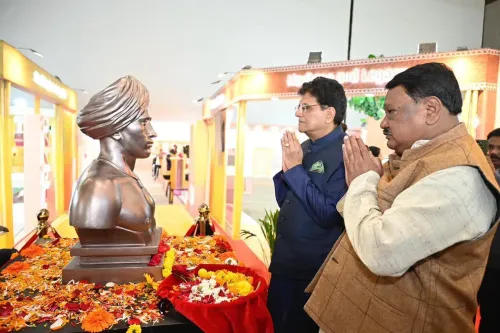
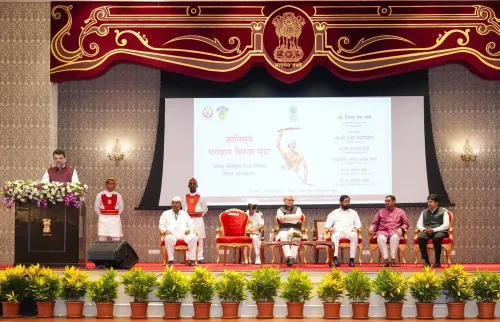
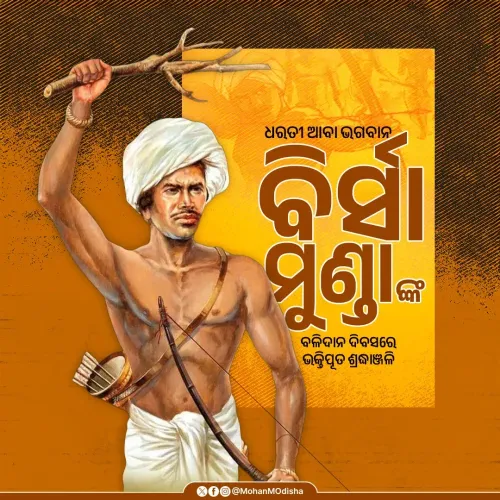
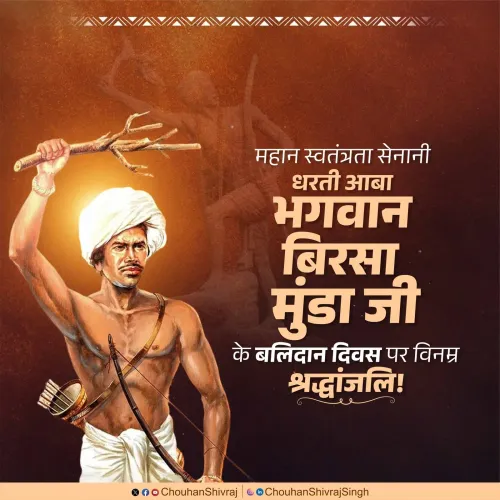
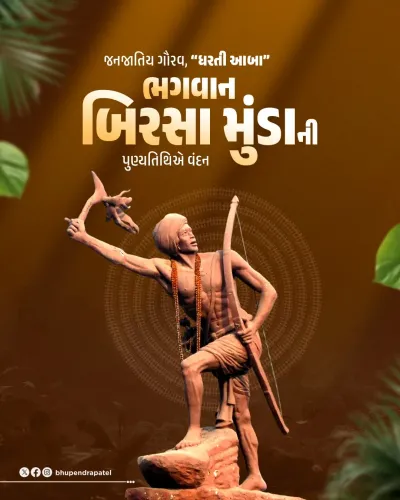
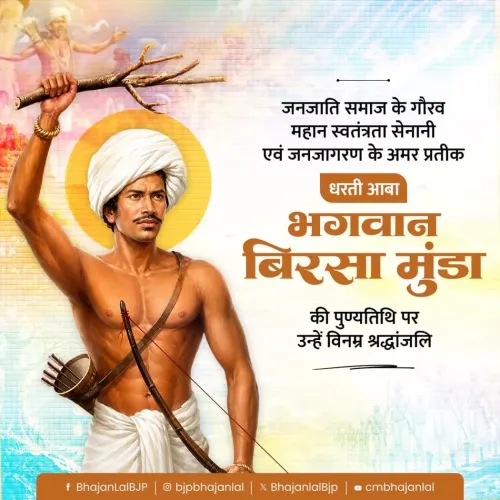
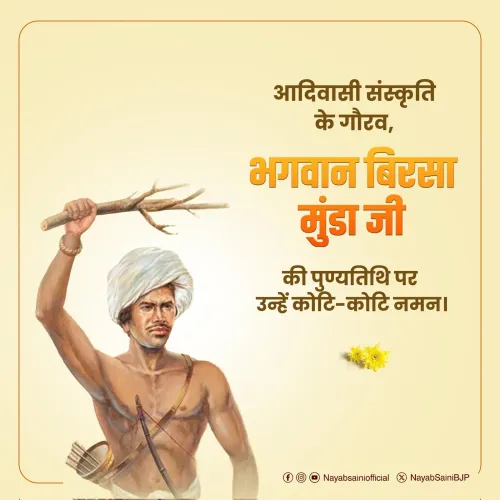
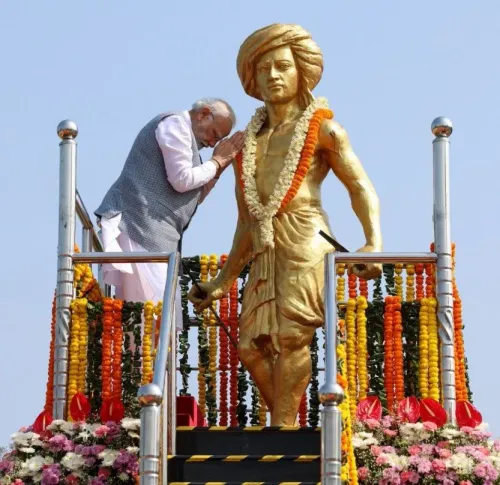
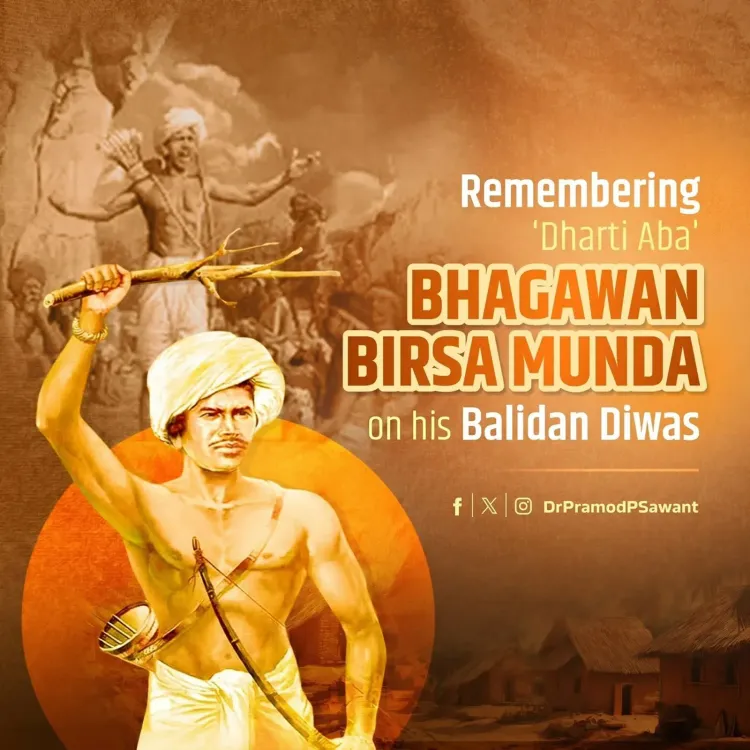
Goa Chief Minister Pramod Sawant on Tuesday, 9 June 2026 paid tribute to tribal icon Birsa Munda on his Balidan Diwas, honouring the 19th-century freedom fighter's legacy of resisting colonial oppression and defending tribal rights. Sawant described Munda as a 'revered tribal leader, freedom fighter and social reformer' who dedicated his life to protecting the rights, identity and dignity of tribal communities.
Context
Balidan Diwas is observed every year on 9 June to mark the death of Birsa Munda in British custody in 1900. Munda, born in 1875 in the Chota Nagpur region of present-day Jharkhand, led the Ulgulan (Great Tumult) — an armed uprising against British land-grab policies and forced conversions that displaced Munda tribal communities from their ancestral forests. He was arrested in 1900 and died in Ranchi Jail at the age of 25, becoming a symbol of Adivasi resistance.
CM Sawant's post referred to Munda as 'Dharti Aba' — meaning 'Father of the Earth' in the Munda language — a reverential title conferred on him by his community that continues to define his place in tribal memory.
Policy Backdrop
The central government institutionalised commemoration of Birsa Munda in 2021 by designating 15 November — his birth anniversary — as Janjatiya Gaurav Diwas (Tribal Pride Day), formally incorporating Adivasi figures into the national freedom narrative. The Scheduled Tribes and Other Traditional Forest Dwellers (Recognition of Forest Rights) Act, 2006, directly addressed the kind of land dispossession that Munda had protested against in the 1890s, providing a legislative lineage connecting his struggle to contemporary tribal policy.
BJP-led governments at both the centre and state levels have systematically commemorated tribal rebels of the 19th century — including Sidhu-Kanhu of the Santhal Hul — as part of a broader effort to recognise Adivasi contributions to India's independence movement. These commemorations have run parallel to electoral outreach in scheduled tribal areas across Jharkhand, Odisha, Chhattisgarh and Rajasthan, where tribal voters constitute decisive blocs.
Stakeholders and Impact
Tributes from senior political leaders on Balidan Diwas carry symbolic weight for Adivasi and Scheduled Tribe communities across India, for whom Birsa Munda represents not just a historical figure but an ongoing assertion of land rights, cultural identity and self-governance. Goa, though not a state with a large scheduled tribe population relative to central Indian states, has indigenous communities — including the Velip, Kunbi and Gawda communities — whose land and forest rights remain subjects of active policy discussion.
For the BJP, statements such as CM Sawant's reinforce the party's sustained effort to position itself as a protector of tribal heritage, a message aimed as much at national Adivasi constituencies as at local audiences in Goa.
What's Next
State governments have in past years timed announcements of tribal museum projects, forest-rights claim drives and Particularly Vulnerable Tribal Group (PVTG) development scheme reviews to coincide with annual Balidan Diwas events. A national-level review of PVTG schemes or fresh forest-rights pattas could follow in the coming days, consistent with the pattern of policy action anchored to commemorative dates. Birsa Munda's legacy continues to shape both legislative memory and electoral arithmetic in India's tribal heartlands.
Point of View
Particularly on high-visibility dates like Balidan Diwas and Janjatiya Gaurav Diwas. The gesture extends the party's tribal outreach beyond its traditional strongholds in central India into coastal and western states where indigenous land rights remain live issues. By invoking the title 'Dharti Aba' and framing Birsa Munda's resistance as a defence of 'rights, identity and dignity,' the statement aligns colonial-era grievances with contemporary tribal policy vocabulary. This pattern of commemorative politics signals that the BJP intends to keep Adivasi heritage central to its governance narrative heading into future electoral cycles.
NationPress
16 Sept 2026
Frequently Asked Questions
Why is 9 June observed as Balidan Diwas?
9 June is observed as Balidan Diwas to mark the death of tribal leader Birsa Munda in British custody in 1900 . He was arrested during the Ulgulan rebellion and died in Ranchi Jail at the age of 25 .
Who was Birsa Munda and why is he called Dharti Aba?
Birsa Munda (1875–1900) was a Munda tribal leader from the Chota Nagpur region who led an armed uprising against British land policies and forced displacement of tribal communities. He is called Dharti Aba — meaning 'Father of the Earth' — by his community in recognition of his role as a protector of tribal land and identity.
What is Janjatiya Gaurav Diwas and how is it related to Birsa Munda?
Janjatiya Gaurav Diwas (Tribal Pride Day) is observed on 15 November , the birth anniversary of Birsa Munda . It was instituted by the central government in 2021 to honour the contributions of tribal communities to India's freedom struggle.
What was the Ulgulan rebellion led by Birsa Munda?
The Ulgulan ('Great Tumult') was an armed uprising led by Birsa Munda in the 1890s against British land-grab policies, forced conversions and the displacement of Munda tribal communities from their ancestral forests in the Chota Nagpur region.
Why did Goa CM Pramod Sawant pay tribute to Birsa Munda?
Goa Chief Minister Pramod Sawant paid tribute to Birsa Munda on Balidan Diwas, 9 June 2026 , honouring him as a revered tribal leader and freedom fighter. The tribute reflects the BJP 's broader effort to recognise Adivasi contributions to India's independence movement and engage tribal communities across the country.