CM Fadnavis Pays Tribute to Birsa Munda on Balidan Diwas
Synopsis
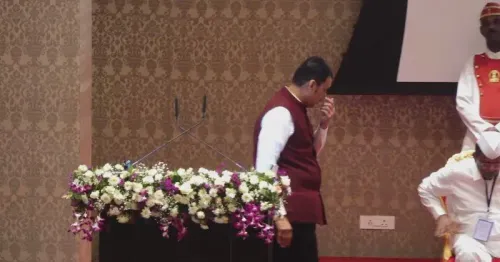
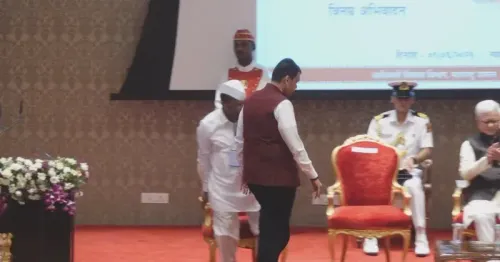
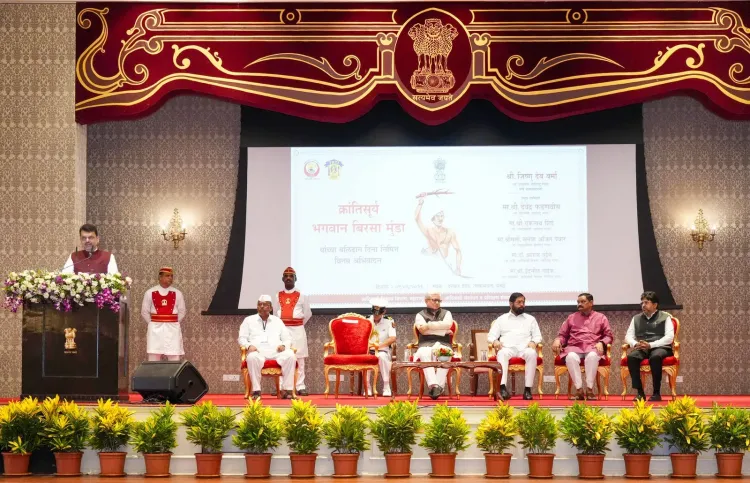
Governor Jishnu Dev Varma and Chief Minister Devendra Fadnavis paid official tribute to Bhagwan Birsa Munda on his Balidan Diwas at Lok Bhavan, Mumbai. Fadnavis hailed the tribal icon's anti-colonial struggle and reaffirmed Maharashtra's commitment to Adivasi welfare through education, health, and employment programmes.
Key Takeaways
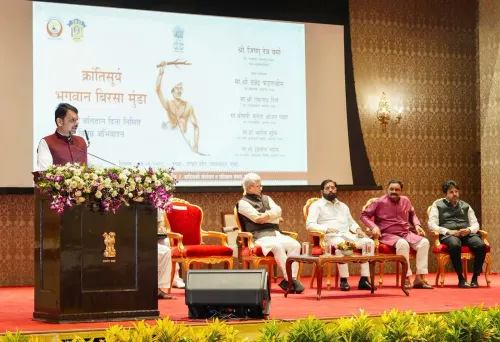
Governor Jishnu Dev Varma and CM Devendra Fadnavis led the official Balidan Diwas tribute at Lok Bhavan, Mumbai on 9 June 2026 .
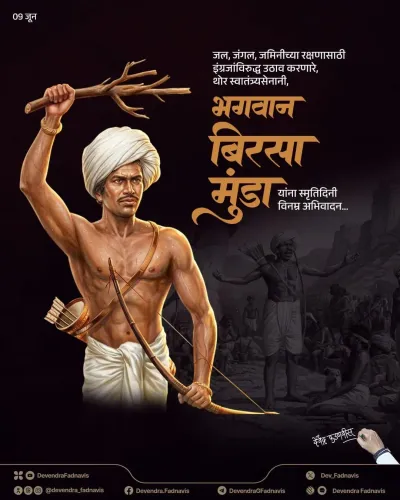
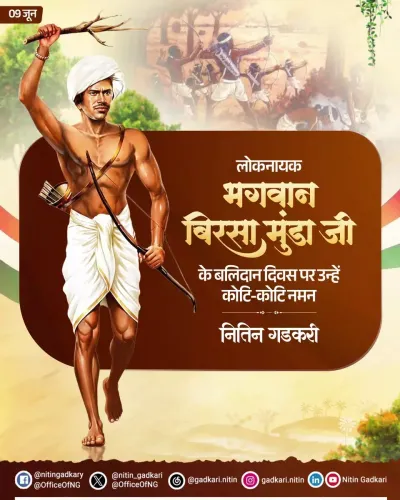
Bhagwan Birsa Munda , known as 'Dharti Aaba' , died in British custody in 1900 at age 25 after leading the Ulgulan rebellion for tribal land and forest rights.
CM Fadnavis credited PM Narendra Modi's initiative with restoring tribal freedom fighters to national public memory.
The Government of India instituted Janjatiya Gaurav Divas on 15 November in 2021 to honour tribal contributions to the independence movement.
Deputy CM Eknath Shinde , ministers Dr.
Ashok Uike and Narhari Zirwal , and Minister of State Indranil Naik were present at the ceremony.
The Maharashtra government reaffirmed its commitment to Adivasi empowerment through schemes in education, health, and employment .
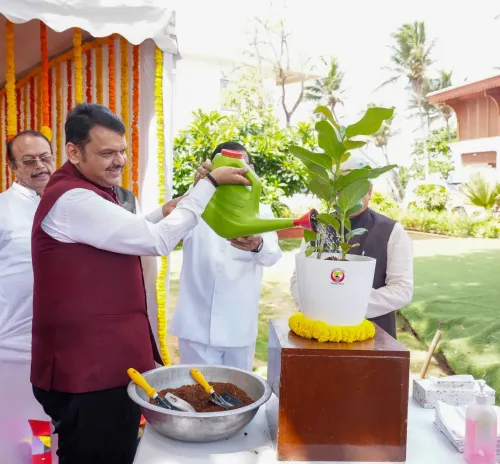
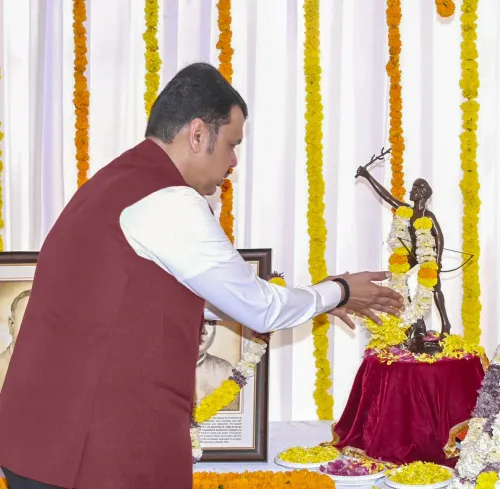
The Chief Minister's Office of Maharashtra announced on Tuesday, 9 June 2026 that Governor Jishnu Dev Varma and Chief Minister Devendra Fadnavis paid tribute to tribal icon Bhagwan Birsa Munda at an official ceremony held at Lok Bhavan, Mumbai, marking his Balidan Diwas (Martyrdom Day).
Context
Bhagwan Birsa Munda, revered as 'Dharti Aaba' (Father of the Earth), was a 19th-century Munda tribal leader from present-day Jharkhand who led the Ulgulan (Great Tumult) rebellion against British colonial rule. He died in British custody in 1900, aged just 25, after spearheading a movement centred on rights over jal, jungle aur zameen — water, forests, and land. His legacy has grown into a national symbol of Adivasi identity and resistance.
Speaking at the event, CM Fadnavis said that in a life of merely 25 years, Birsa Munda 'lit such a flame of struggle against the British that the entire colonial administration was shaken.' He added that the fight Birsa waged for tribal dignity and natural resources 'was not confined to Jharkhand and Bihar but became an inspiration for tribal communities across the entire country.'
Policy Backdrop
The commemoration fits within a broader national policy shift. In 2021, the Government of India instituted Janjatiya Gaurav Divas on 15 November — Birsa Munda's birth anniversary — to formally honour tribal contributions to India's freedom struggle. CM Fadnavis acknowledged this initiative, noting that while tribal heroes had long been overlooked by mainstream history, the push led by Prime Minister Narendra Modi had brought 'this glorious history before the nation and begun reaching new generations.'
The Chief Minister also highlighted the enduring relevance of Adivasi cultural values — conservation of nature, equality, and a rich social order — calling them 'inspirational even today.' He framed the state government's tribal welfare programmes in education, health, employment, and various welfare schemes as a direct continuation of Birsa Munda's vision.
Stakeholders and Impact
Deputy Chief Minister Eknath Shinde, Minister Dr. Ashok Uike, Minister Narhari Zirwal, Minister of State Indranil Naik, and other dignitaries were present at the Lok Bhavan ceremony. The attendance of senior cabinet members signals the Maharashtra government's institutional commitment to Adivasi representation at the highest levels of state administration.
For Maharashtra's tribal communities — who constitute a significant share of the state's population, particularly in districts such as Palghar, Nandurbar, Gadchiroli, and the Vidarbha belt — official ceremonies of this nature carry both symbolic and practical weight, reinforcing government accountability on welfare delivery.
What's Next
CM Fadnavis reaffirmed that 'the preservation of Adivasi culture and the empowerment of this community is the government's responsibility,' signalling continued focus on targeted schemes. Observers will watch for concrete follow-up announcements on Maharashtra's tribal education, health, and livelihood programmes in the weeks ahead. The annual observance of Balidan Diwas is increasingly becoming a platform for state governments to announce or review welfare commitments to Adivasi populations, making future editions a policy milestone to track.
Point of View
CM Fadnavis ties state-level symbolism to a central government policy arc, reinforcing alignment between Nagpur and Delhi on the tribal outreach agenda. The presence of senior ministers signals that Adivasi welfare is being positioned as a cross-departmental priority, not a niche concern. Whether this translates into measurable gains in tribal health, education, and land rights will determine the long-term credibility of the gesture.
NationPress
24 Oct 2026
Frequently Asked Questions
Who was Bhagwan Birsa Munda and why is Balidan Diwas observed?
Bhagwan Birsa Munda was a 19th-century Munda tribal leader from present-day Jharkhand who led the Ulgulan rebellion against British colonial rule, demanding rights over water, forests, and land. He died in British custody in 1900 at age 25. Balidan Diwas marks his martyrdom and is observed to honour his sacrifice and legacy.
What is Janjatiya Gaurav Divas and when was it started?
Janjatiya Gaurav Divas is a national day instituted by the Government of India in 2021 to honour Bhagwan Birsa Munda and other tribal contributors to India's freedom struggle. It is observed every year on 15 November, which is Birsa Munda's birth anniversary.
What did CM Devendra Fadnavis say about Birsa Munda at the Mumbai event?
CM Fadnavis said that in just 25 years of life, Birsa Munda lit a flame of struggle against the British that shook the entire colonial administration. He noted that Birsa's fight for tribal dignity and natural resources inspired Adivasi communities across the whole country, not just Jharkhand and Bihar.
Which Maharashtra government ministers attended the Birsa Munda Balidan Diwas event?
Deputy Chief Minister Eknath Shinde, Minister Dr. Ashok Uike, Minister Narhari Zirwal, and Minister of State Indranil Naik attended the ceremony at Lok Bhavan, Mumbai, along with Governor Jishnu Dev Varma and CM Devendra Fadnavis.
What welfare programmes is the Maharashtra government running for tribal communities?
The Maharashtra government has stated its commitment to Adivasi empowerment through schemes in education, health, employment, and other welfare programmes. CM Fadnavis described these efforts as inspired by Bhagwan Birsa Munda's legacy, though specific new scheme announcements were not detailed at the 9 June 2026 event.