CM Fadnavis pays tribute to Birsa Munda on death anniversary
Synopsis
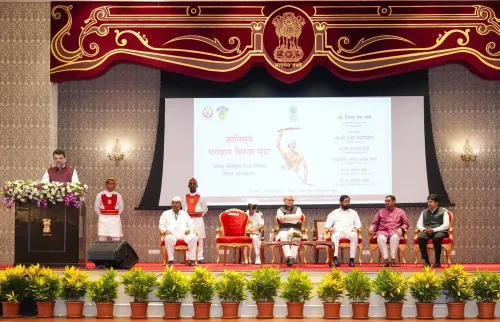
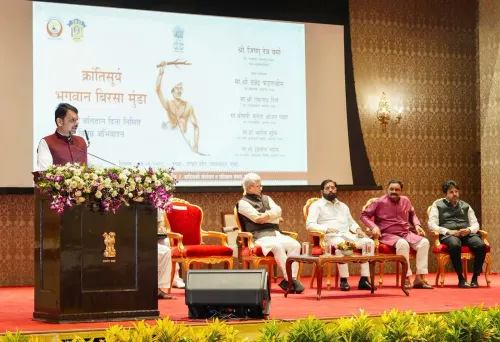
Chief Minister Devendra Fadnavis and the Governor of Maharashtra attended a formal tribute ceremony on 9 June 2026 honouring Bhagwan Birsa Munda, the revered Adivasi leader and freedom fighter, on the 126th anniversary of his martyrdom.
Key Takeaways
Chief Minister Devendra Fadnavis and the Governor of Maharashtra were the chief guests at an official tribute ceremony on 9 June 2026 .
The event honoured Bhagwan Birsa Munda — known as Dharti Aaba and Jannayak — on the 126th anniversary of his martyrdom.
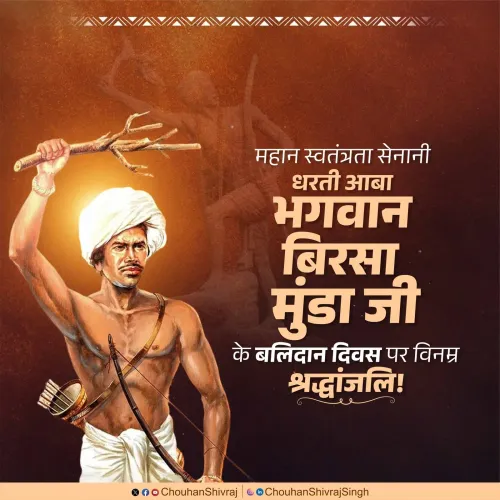
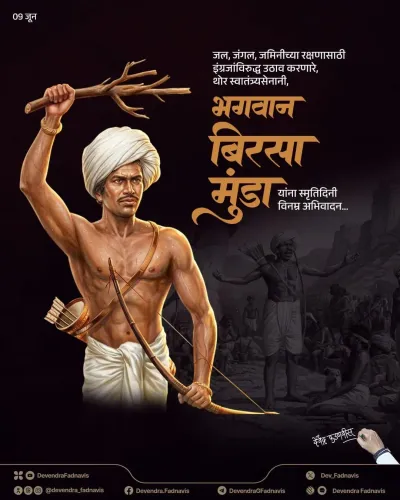
Birsa Munda (1875–1900) led the Ulgulan rebellion against British colonial rule and is a central figure in India's Adivasi freedom movement.
The Government of India instituted Janjatiya Gaurav Diwas in 2021 to honour tribal freedom fighters, of whom Birsa Munda is the most prominent.
Maharashtra's official participation reflects a broader state-level pattern of recognising Scheduled Tribe communities within the national freedom movement narrative.
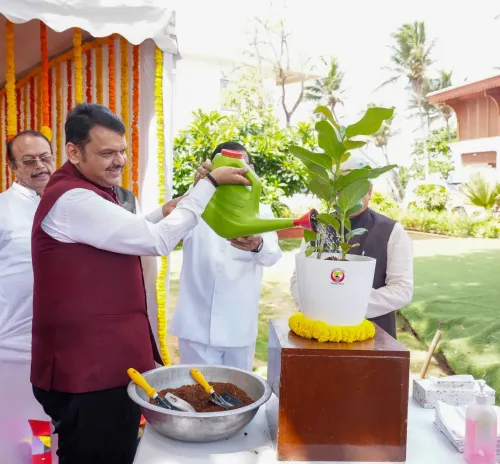
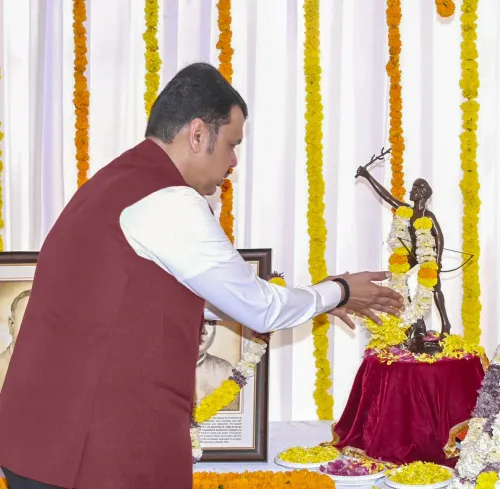
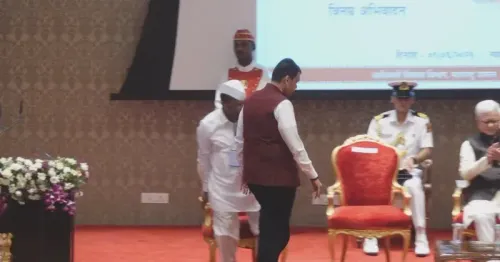
The Chief Minister's Office of Maharashtra announced on Tuesday, 9 June 2026 that Chief Minister Devendra Fadnavis and the Governor of Maharashtra attended a formal tribute ceremony honouring Bhagwan Birsa Munda on his Balidan Din (martyrdom anniversary). The event, held in Mumbai, marked the death anniversary of the revered tribal leader widely known as Dharti Aaba — 'Father of the Earth' — and Jannayak, 'People's Leader'.
Context
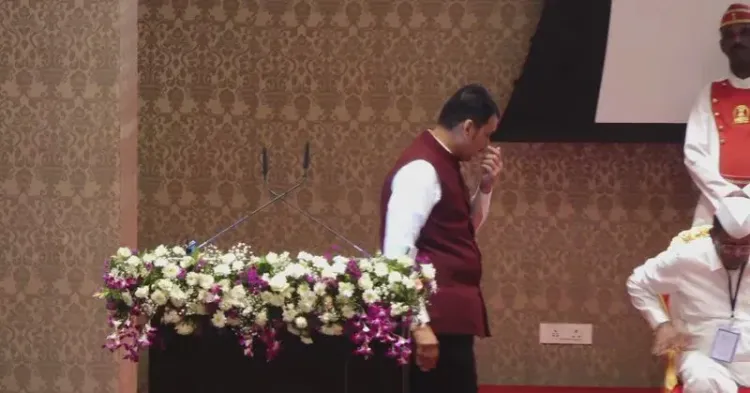
The CMO's post, shared live from the event, stated in Marathi: 'Rajyapal Jishnu Dev Varma ani Mukhyamantri Devendra Fadnavis yanchi Jannayak, Dharti Aaba Bhagwan Birsa Munda yanch ya Balidan Dinanimitta ayojit Abhivadan Karyakram yethe pramukh upasthiti' — meaning 'Governor and Chief Minister Devendra Fadnavis were the chief guests at the tribute programme organised on the occasion of Jannayak, Dharti Aaba Bhagwan Birsa Munda's martyrdom anniversary.' The post was accompanied by an image from the ceremony.
Bhagwan Birsa Munda was born in 1875 in the Munda tribal community of present-day Jharkhand. He led the landmark Ulgulan rebellion against British colonial rule and passed away on 9 June 1900 at the age of just 25, making this year the 126th anniversary of his martyrdom.
Policy Backdrop
In 2021, the Government of India instituted Janjatiya Gaurav Diwas on 15 November — Birsa Munda's birth anniversary — to formally recognise tribal freedom fighters and Adivasi contributions to India's independence movement. Birsa Munda's death anniversary on 9 June is observed separately at state levels as a day of solemn tribute.
Maharashtra, home to a significant Scheduled Tribe population, has in recent years aligned state ceremonial observances with the central government's broader push for recognition of tribal icons. These events are part of a wider pattern of state-level homage to Adivasi leaders alongside ongoing welfare schemes for tribal communities.
Stakeholders and Impact
Tribal communities across Maharashtra and the country observe 9 June as a day of remembrance and pride. Official participation by the Chief Minister and Governor lends constitutional weight to the occasion, signalling the state's formal acknowledgement of Adivasi contributions to the national freedom struggle.
For Adivasi groups and civil society organisations working on tribal rights, high-level state attendance at such events is seen as recognition of their historical and cultural identity within the mainstream political framework.
What's Next
State governments, including Maharashtra, are expected to continue deepening participation in tribal observances as Janjatiya Gaurav Diwas and related anniversaries become more institutionalised in the official calendar. Observers will watch whether such ceremonial engagement translates into accelerated rollout of tribal welfare programmes and land-rights initiatives in the state.
Point of View
Such ceremonial visibility among tribal communities carries electoral as well as cultural significance, given the demographic weight of Scheduled Tribe voters in Maharashtra's interior districts. The optics of both the Governor and Chief Minister appearing together at the event underline the constitutional and executive establishment's unified endorsement of the tribute. Whether ceremonial recognition translates into substantive policy outcomes for tribal communities remains the sharper question for civil society observers.
NationPress
23 Oct 2026
Frequently Asked Questions
Who was Bhagwan Birsa Munda?
Bhagwan Birsa Munda (1875–1900) was a Munda tribal leader from present-day Jharkhand who led the Ulgulan rebellion against British colonial rule. He is revered as 'Dharti Aaba' (Father of the Earth) and is one of India's most celebrated Adivasi freedom fighters.
Why is 9 June observed as Birsa Munda's martyrdom anniversary?
Bhagwan Birsa Munda died on 9 June 1900 at the age of 25 while in British custody. The date is observed annually as his Balidan Din (martyrdom day) by tribal communities and state governments across India.
What is Janjatiya Gaurav Diwas?
Janjatiya Gaurav Diwas is observed on 15 November — Birsa Munda's birth anniversary — and was instituted by the Government of India in 2021 to honour the contributions of tribal freedom fighters to India's independence movement.
What did CM Devendra Fadnavis do on Birsa Munda's death anniversary 2026?
Chief Minister Devendra Fadnavis, along with the Governor of Maharashtra, attended an official tribute ceremony in Mumbai on 9 June 2026 to honour Bhagwan Birsa Munda on the 126th anniversary of his martyrdom.
What is the significance of Birsa Munda for tribal communities in Maharashtra?
Birsa Munda is a pan-India Adivasi icon whose resistance against colonial rule resonates with tribal communities across Maharashtra. Official state tributes signal formal recognition of Adivasi contributions to the freedom movement and their cultural identity.