CM Fadnavis Pays Tribute to Bhagwan Birsa Munda on Smruti Din
Synopsis
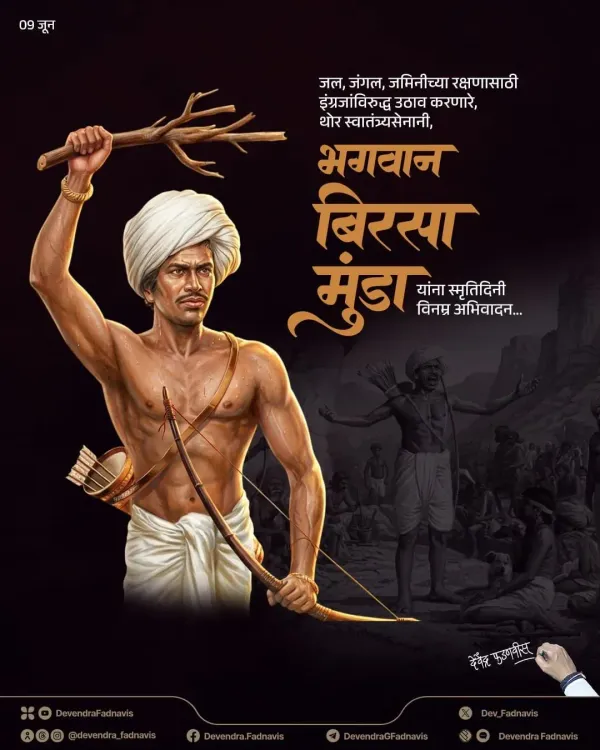
Maharashtra Chief Minister Devendra Fadnavis marked Bhagwan Birsa Munda's Smruti Din on 9 June 2026, paying tribute to the 19th-century tribal leader whose resistance against British rule over water, forest, and land rights remains a touchstone for Adivasi empowerment in India.
Key Takeaways
Devendra Fadnavis paid tribute to Bhagwan Birsa Munda on his death anniversary, 9 June 2026 .
The post was bilingual — English and Marathi — reflecting outreach to both urban and tribal constituencies in Maharashtra .
Birsa Munda led the Ulgulan rebellion in the late 19th century, demanding protection of tribal rights over water, forests, and land.
His legacy directly influenced the Forest Rights Act, 2006 , which recognised community rights over these resources.
Maharashtra has significant Adivasi populations in Gadchiroli , Nandurbar , and Thane districts.
Tribal welfare groups continue to seek concrete policy action on Forest Rights Act claims and PVTG development projects.
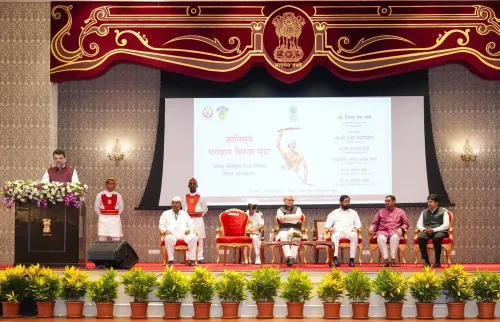
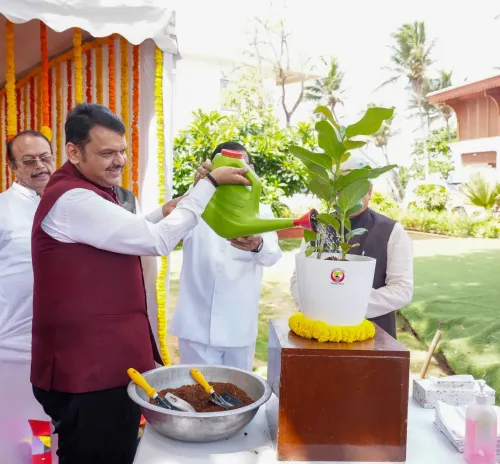
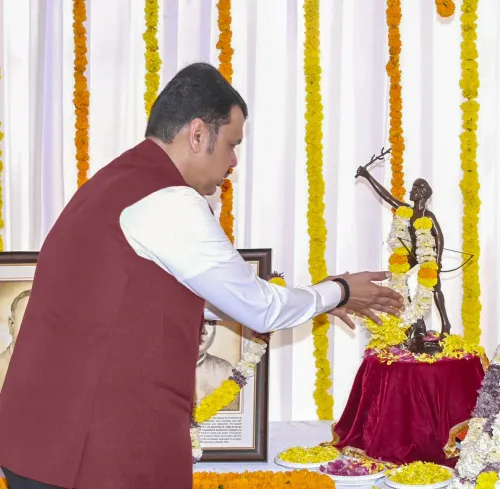
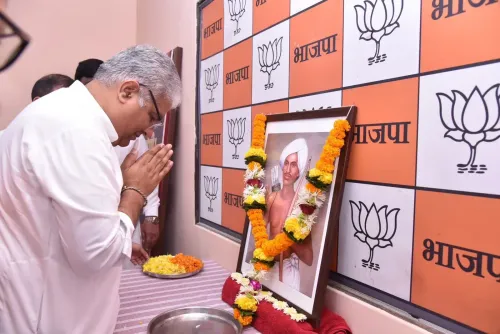
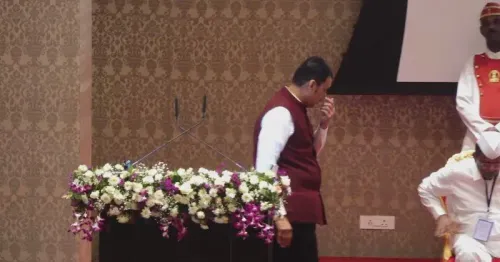
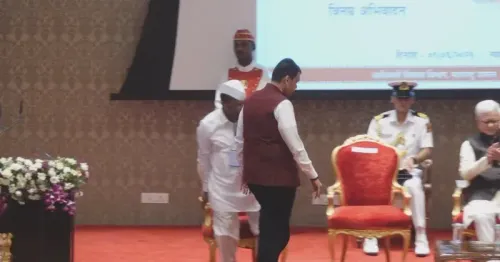
Maharashtra Chief Minister Devendra Fadnavis on Tuesday, 9 June 2026 paid tribute to tribal freedom fighter Bhagwan Birsa Munda on his death anniversary, honouring his legacy of resistance against colonial rule and his enduring message of empowerment for Adivasi communities.
Context
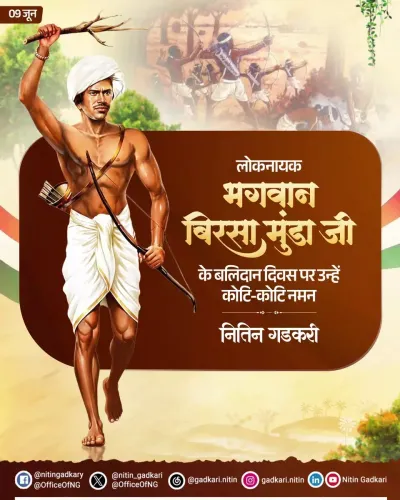
In his post, Fadnavis offered homage in both English and Marathi, calling Birsa Munda a 'थोर स्वातंत्र्यसेनानी' (great freedom fighter) who led an uprising against the British to protect 'जल, जंगल, जमीन' — water, forest, and land — and worked for the all-round development of tribal brethren. The Chief Minister described his courage, sacrifice, and commitment to justice as a 'powerful legacy of empowerment.'
June 9 is observed as Birsa Munda's Smruti Din (death anniversary), marking the day in 1900 when he died in British custody at Ranchi Jail at the age of approximately 25. Political leaders across party lines in India mark the day with public tributes, and the occasion has grown in national significance in recent years.
Policy Backdrop
Bhagwan Birsa Munda led the Ulgulan ('The Great Tumult') rebellion in the late 19th century, rallying the Munda tribal community in present-day Jharkhand against British land-acquisition policies, exploitative landlords, and Christian missionary influence. His demand for the protection of tribal rights over water, forest, and land resonates directly with the Scheduled Tribes and Other Traditional Forest Dwellers (Recognition of Forest Rights) Act, 2006, which statutorily recognised individual and community rights over these very resources — a legislative echo of the movement he led over a century earlier.
Maharashtra is home to significant Adivasi populations in districts such as Gadchiroli, Nandurbar, and Thane. State governments have periodically referenced Birsa Munda's legacy while rolling out tribal welfare programmes, including Vanbandhu Kalyan Yojana-style schemes aimed at holistic development of forest-dwelling communities.
Stakeholders and Impact
The tribute carries symbolic weight for Maharashtra's Adivasi communities and tribal welfare organisations, who view public acknowledgements by the Chief Minister as an indicator of political attention to pending issues such as Forest Rights Act claim settlements and development projects for Particularly Vulnerable Tribal Groups (PVTGs). Fadnavis, as head of a BJP-led government, has consistently aligned such commemorations with the party's broader narrative of honouring tribal icons as central figures in India's freedom struggle.
The post's bilingual nature — English and Marathi — signals an outreach both to the state's urban readership and to Marathi-speaking tribal constituencies, reinforcing the government's stated commitment to inclusive development.
What's Next
Observers of tribal policy will watch for concrete follow-through in the coming months — particularly on the pace of Forest Rights Act claim processing in Maharashtra, progress on PVTG development missions, and any new state-level tribal welfare announcements that may accompany the anniversary commemorations. The Smruti Din tribute sets a political tone, but Adivasi advocacy groups have consistently called for measurable outcomes beyond ceremonial acknowledgement.
Point of View
Distinct from the dominant Congress-era historiography. For Maharashtra's Adivasi belt — spanning Gadchiroli to Nandurbar — the real measure of such tributes will be the pace of Forest Rights Act claim settlements and PVTG funding in the months ahead. Ceremonial acknowledgement, if not matched by policy delivery, risks being read as optics by advocacy groups already tracking the gap between political rhetoric and ground-level outcomes.
NationPress
23 Oct 2026
Frequently Asked Questions
Who was Bhagwan Birsa Munda and why is he remembered?
Bhagwan Birsa Munda was a 19th-century Munda tribal leader who led the Ulgulan rebellion against British colonial authorities to protect tribal rights over water, forests, and land. He died in British custody on 9 June 1900 and is revered as a symbol of Adivasi resistance and empowerment across India.
What is Birsa Munda's Smruti Din?
Smruti Din is the death anniversary of Bhagwan Birsa Munda, observed on 9 June each year. Political leaders and tribal communities across India mark the day with tributes honouring his sacrifice and legacy.
Why did Maharashtra CM Devendra Fadnavis pay tribute to Birsa Munda?
Fadnavis paid tribute on 9 June 2026 to mark Birsa Munda's Smruti Din, acknowledging the tribal freedom fighter's role in resisting British rule and his enduring relevance to Adivasi communities in Maharashtra and across India.
What was the Ulgulan rebellion led by Birsa Munda?
The Ulgulan, meaning 'The Great Tumult,' was a tribal uprising led by Birsa Munda in the late 19th century in present-day Jharkhand. It mobilised the Munda community against British land policies, exploitative landlords, and the erosion of traditional forest rights.
Which districts in Maharashtra have large Adivasi populations?
Maharashtra's significant Adivasi populations are concentrated in districts such as Gadchiroli, Nandurbar, and Thane, where tribal welfare and Forest Rights Act implementation remain key policy concerns.