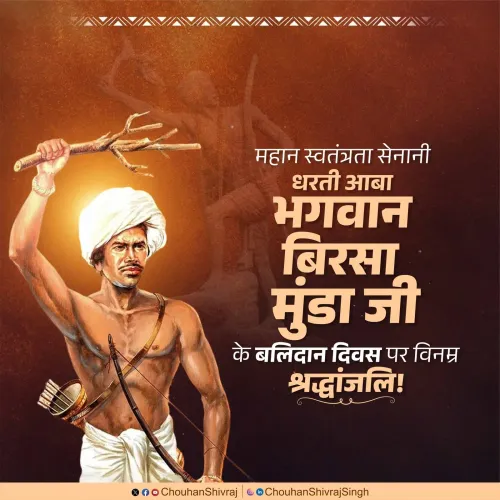
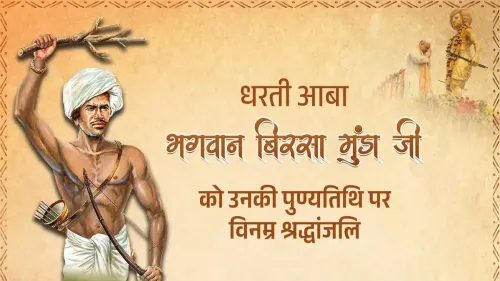
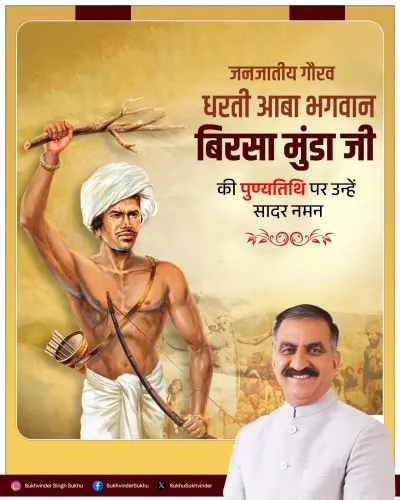
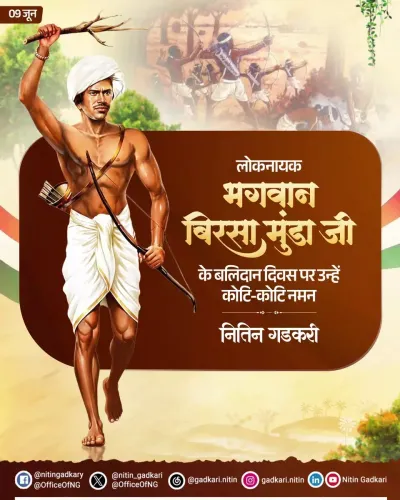
Env Minister Yadav pays tribute to Birsa Munda on death anniversary
Synopsis
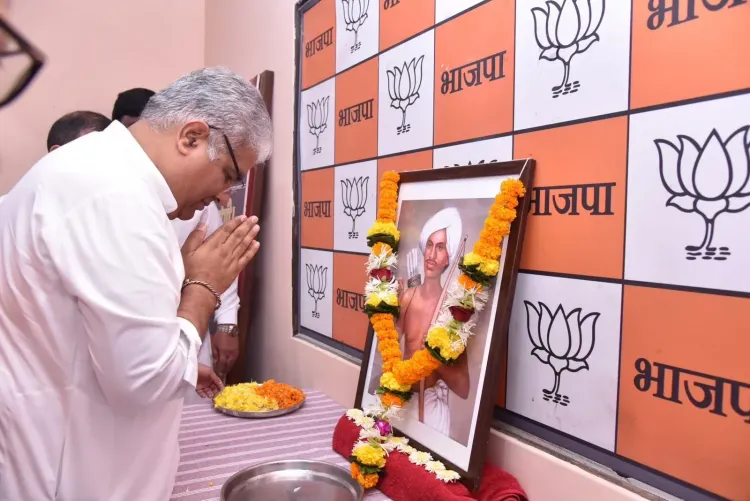
Union Environment Minister Bhupender Yadav on 9 June 2026 paid tribute to Bhagwan Birsa Munda on his death anniversary, saluting the tribal icon's struggle for Adivasi rights, self-respect, and freedom against colonial rule — a legacy the BJP government has increasingly sought to institutionalise through Janjatiya Gaurav Divas and related initiatives.
Key Takeaways
Union Environment Minister Bhupender Yadav paid homage to Bhagwan Birsa Munda on his death anniversary, 9 June 2026 .
Birsa Munda led the Ulgulan rebellion against British land policies in the Chota Nagpur plateau and died in British custody on 9 June 1900 , aged 25 .
The BJP-led government declared 15 November as Janjatiya Gaurav Divas from 2021 to honour tribal contributions to India's freedom struggle.
Yadav, as Environment Minister, oversees policy under the Forest Rights Act, 2006 that directly governs Adivasi access to forest land.
India's Scheduled Tribe population exceeds 10 crore , forming decisive voter blocs in Jharkhand , Odisha , and Chhattisgarh .
Proposed amendments to the Forest Conservation Act and tribal welfare budget allocations remain key policy issues to watch.
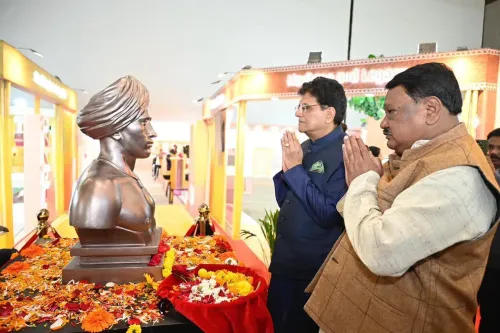
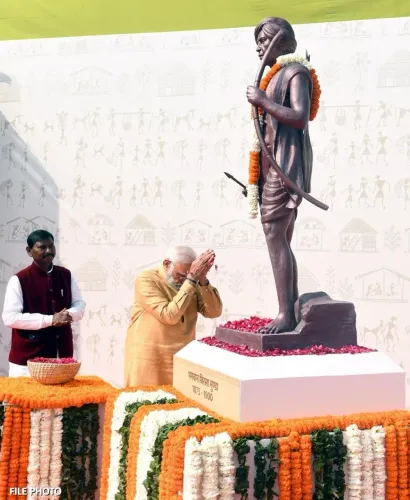
Union Environment Minister Bhupender Yadav on Tuesday, 9 June 2026 paid homage to tribal icon Bhagwan Birsa Munda on his death anniversary, honouring the 19th-century Adivasi leader's resistance against colonial rule and his enduring legacy among India's tribal communities.
Posting on X, Yadav wrote: 'Bhagwan Birsa Munda ji ki punyatithi par unhe vinamra shraddhanjali' ['Humble tribute to Bhagwan Birsa Munda on his death anniversary']. He added that despite dying young, Birsa Munda waged an unparalleled struggle for the rights, self-respect, and freedom of the tribal community, and that his sacrifice, courage, and love for the nation would continue to inspire people to stand against injustice and work for the upliftment of society.
Context
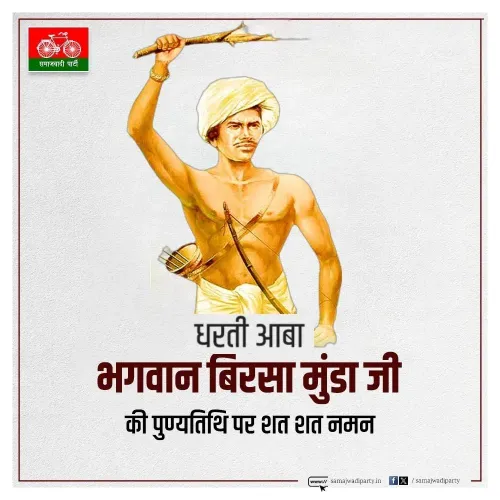
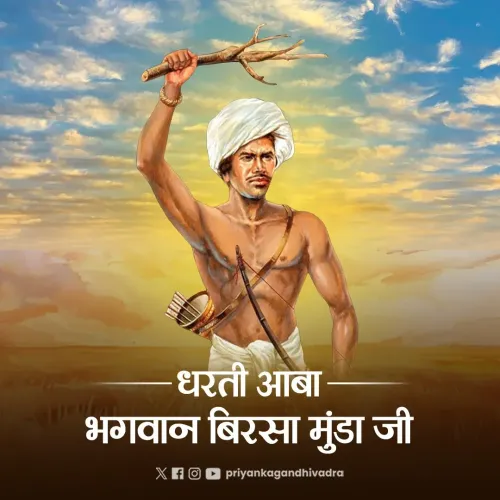
Bhagwan Birsa Munda was born on 15 November 1875 in the Chota Nagpur plateau of present-day Jharkhand. He led the Ulgulan ('Great Tumult') rebellion, mobilising the Munda community against British land-enclosure policies and missionary interference in tribal culture. He died in British custody on 9 June 1900, aged just 25, and has since been venerated as Dharti Aaba — 'Father of the Earth' — across tribal belts of Jharkhand, Odisha, and Chhattisgarh.
His death anniversary falls annually on 9 June, drawing tributes from political leaders across the spectrum. The BJP-led central government has in recent years intensified symbolic recognition of Birsa Munda, declaring 15 November — his birth anniversary — as Janjatiya Gaurav Divas (Tribal Pride Day) from 2021 onwards to commemorate tribal contributions to India's freedom struggle.
Policy Backdrop
As Union Minister of Environment, Forest and Climate Change, Yadav oversees policy that directly shapes Adivasi access to forest land and resources. The Forest Rights Act, 2006 remains a cornerstone statute, granting individual and community rights to Scheduled Tribes over forest land they have historically inhabited. Implementation of the Act has been uneven across states, and proposed amendments to the Forest Conservation Act have drawn sustained attention from tribal rights groups.
The BJP-led administration has simultaneously pursued targeted welfare schemes in tribal-majority districts and elevated historical tribal figures to national iconography. Birsa Munda's portrait was installed in the Central Hall of Parliament, and a museum in his memory was inaugurated in Ranchi, underscoring the government's effort to mainstream his legacy within the national narrative.
Stakeholders and Impact
India's Scheduled Tribe population numbers over 10 crore, concentrated heavily in Jharkhand, Odisha, Chhattisgarh, Madhya Pradesh, and the northeastern states. Tribal voters form decisive blocs in assembly and Lok Sabha constituencies across these regions, making symbolic recognition of figures like Birsa Munda politically significant alongside substantive policy commitments.
Civil society organisations working on forest rights have long argued that meaningful tribute to Birsa Munda's legacy must translate into stronger enforcement of land and forest rights for contemporary Adivasi communities, particularly amid ongoing debates over forest land diversion for infrastructure and industry.
What's Next
Parliamentary scrutiny of proposed forest legislation amendments and the allocation of tribal welfare funds in the next Union Budget will be closely watched as indicators of how the government's symbolic gestures toward Birsa Munda's legacy are matched by substantive policy. With assembly elections periodically due in tribal-heavy states, the political salience of Adivasi rights — and the figures who championed them — is unlikely to diminish.
Point of View
Yadav's homage carries a dual weight: symbolic reverence for a colonial-era rebel and stewardship of the very legislative framework that determines how Birsa Munda's descendants access land today. The gap between ceremonial tribute and policy delivery — particularly on Forest Rights Act implementation and proposed forest law amendments — is the fault line that tribal rights advocates will continue to press. How the government resolves that tension will define whether this legacy-building translates into durable political goodwill or remains rhetorical.
NationPress
19 Sept 2026
Frequently Asked Questions
Who was Bhagwan Birsa Munda and why is he important?
Bhagwan Birsa Munda was a Munda tribal leader born on 15 November 1875 in the Chota Nagpur plateau who led the Ulgulan rebellion against British land-enclosure policies. He is revered as 'Dharti Aaba' and is a central figure in India's tribal freedom struggle narrative.
When did Birsa Munda die?
Birsa Munda died on 9 June 1900 in British custody in Ranchi, aged just 25. His death anniversary is observed annually on 9 June.
What is Janjatiya Gaurav Divas?
Janjatiya Gaurav Divas, or Tribal Pride Day, is observed on 15 November — Birsa Munda's birth anniversary. The BJP-led central government declared it a national day of recognition from 2021 to honour tribal contributions to India's freedom struggle.
What is Bhupender Yadav's role in tribal policy?
As Union Minister of Environment, Forest and Climate Change, Bhupender Yadav oversees the Forest Rights Act, 2006 and forest governance policy that directly affects Adivasi communities' access to land and forest resources.
Why do politicians pay tribute to Birsa Munda?
Birsa Munda is a revered symbol of Adivasi resistance and pride. With over 10 crore Scheduled Tribe citizens forming decisive voter blocs in states like Jharkhand, Odisha, and Chhattisgarh, tributes to his legacy carry both cultural and electoral significance.