Priyanka Gandhi Pays Tribute to Birsa Munda on Balidan Diwas
Synopsis
Congress general secretary Priyanka Gandhi Vadra marked Bhagwan Birsa Munda's death anniversary on 9 June 2026, honouring the tribal freedom fighter as 'Dharti Aaba' and calling his legacy an inspiration to secure Adivasi rights over water, forests and land.
Key Takeaways
Congress general secretary Priyanka Gandhi Vadra paid tribute to Bhagwan Birsa Munda on his balidan diwas , 9 June 2026 .
She referred to him as 'Dharti Aaba' (father of the earth) and a great tribal hero who fought British colonial oppression.
Her post explicitly links Birsa Munda's legacy to ensuring Adivasi rights over jal, jungle, zameen — water, forests and land.
Birsa Munda died on 9 June 1900 in British custody in Ranchi after leading the Ulgulan uprising in the Chotanagpur region.
The tribute comes amid ongoing national debates on the Forest Rights Act, 2006 and Fifth Schedule protections for tribal communities.
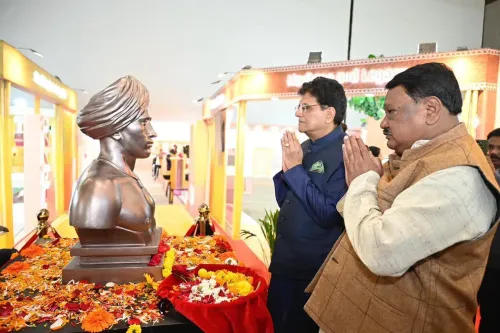
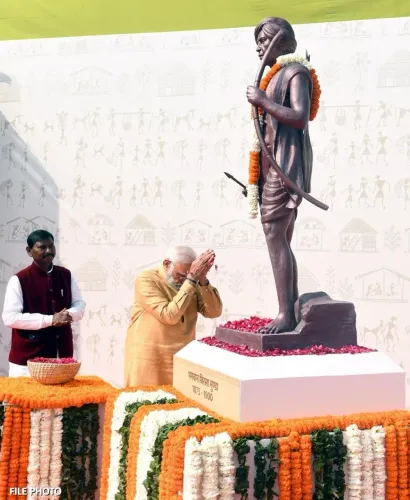
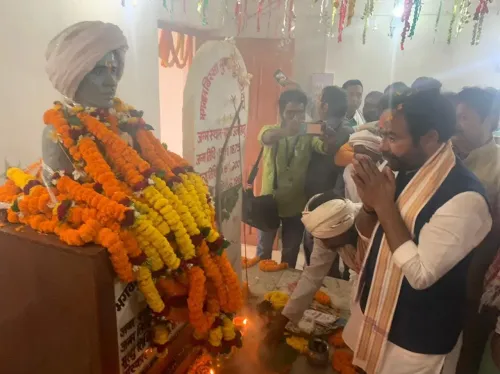
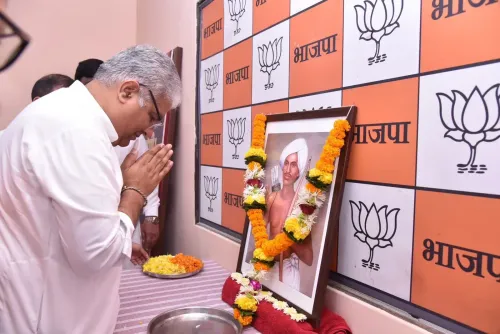
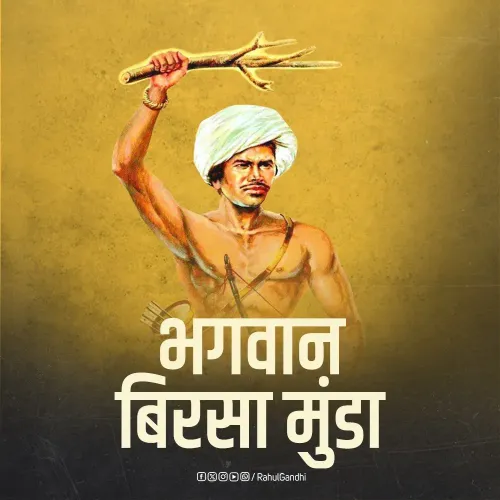
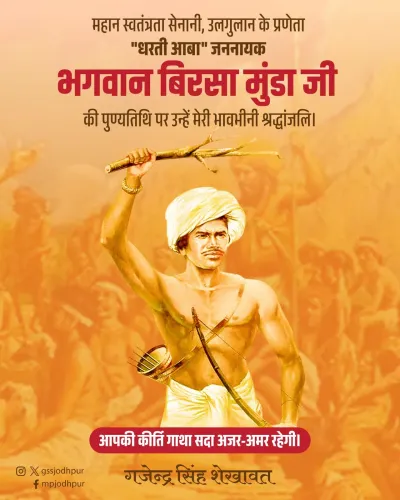
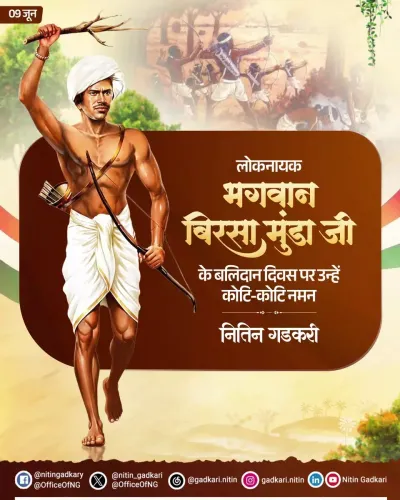
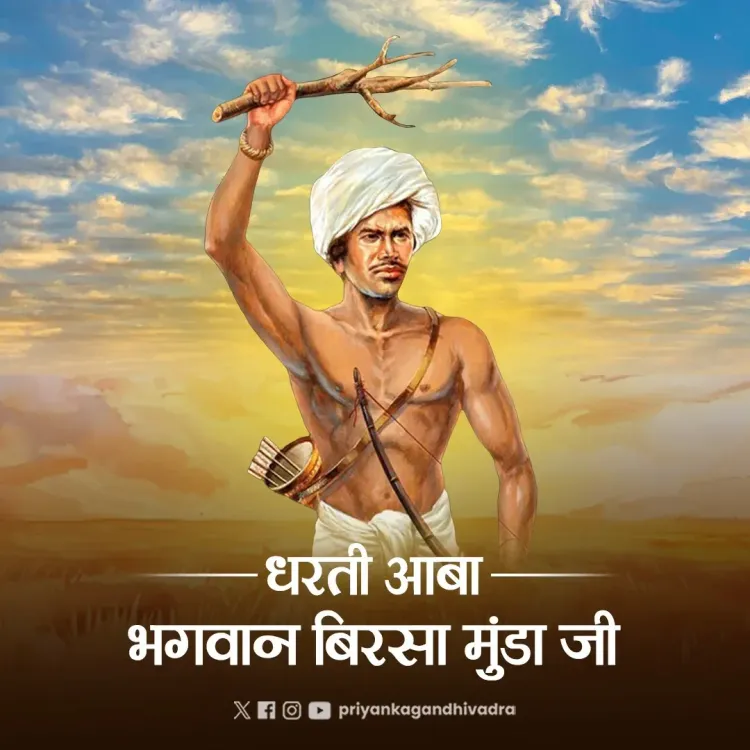
Congress general secretary Priyanka Gandhi Vadra on Tuesday, 9 June 2026 paid tribute to tribal freedom fighter Bhagwan Birsa Munda on his death anniversary, calling him a great hero who sacrificed his life for the country and society, and invoking his legacy to assert the rights of Adivasi communities over land, forests and water.
Context
Posting in Hindi, Priyanka Gandhi Vadra referred to Birsa Munda as 'dhartee aaba' (father of the earth) and 'aadivasi mahanayak' (great tribal hero), offering 'saadar naman' — a respectful salute — on his balidan diwas (martyrdom day). She wrote that his struggle against British colonial oppression 'inspires us to ensure the rights of our Adivasi brothers and sisters over jal, jungle, zameen' — water, forests and land.
Birsa Munda died on 9 June 1900 in British custody at Ranchi Jail, aged approximately 25, after leading the Ulgulan — the Great Tumult — a tribal uprising that shook British authority in the Chotanagpur region of present-day Jharkhand.
Policy Backdrop
The rallying cry of jal, jungle, zameen — water, forests and land — has been central to Adivasi political assertion for decades and frames ongoing debates around the Scheduled Tribes and Other Traditional Forest Dwellers (Recognition of Forest Rights) Act, 2006. That law recognises individual and community rights of forest-dwelling communities over land and natural resources, but its implementation across states remains uneven and contested.
Tribal areas in Jharkhand, Chhattisgarh, Odisha and Madhya Pradesh continue to see disputes over forest rights claim settlements, land acquisition for mining projects, and the scope of Fifth Schedule protections that govern administration of Scheduled Tribe regions. Birsa Munda's legacy is frequently invoked in these debates by political actors across the spectrum.
Stakeholders and Impact
India's Scheduled Tribe population numbers over 10 crore people, constituting roughly 8.6 per cent of the national population, with significant concentrations in central and eastern India. The communities most directly associated with Birsa Munda's legacy — the Munda, Ho, Santali and other groups of the Chotanagpur plateau — continue to organise around land and forest rights.
Political commemorations of Birsa Munda's death anniversary carry electoral weight in states with large tribal constituencies. The Congress party has historically positioned itself as a defender of forest rights legislation and Fifth Schedule protections, and such tributes reinforce that identity among Adivasi voters.
What's Next
Analysts and tribal rights advocates will watch for any concrete policy follow-through — including state-level progress on pending forest rights claims and any legislative movement on land or mining laws affecting tribal areas — to assess whether political tributes translate into substantive action for Adivasi communities. The anniversary serves as a recurring benchmark against which parties' commitments on jal, jungle, zameen are measured.
Point of View
Jungle, zameen', she moves the commemoration beyond ceremonial territory into policy advocacy. This pattern — using martyrdom anniversaries to restate policy positions — is a consistent feature of Indian opposition politics and signals continued pressure on ruling dispensations to demonstrate action on forest rights claim settlements. The effectiveness of such messaging ultimately depends on whether it is accompanied by visible legislative or legal effort on the ground.
NationPress
20 Sept 2026
Frequently Asked Questions
Who was Bhagwan Birsa Munda and why is 9 June observed as his death anniversary?
Bhagwan Birsa Munda was a tribal freedom fighter from the Munda community who led the Ulgulan uprising against British colonial rule in the Chotanagpur region. He died on 9 June 1900 in British custody at Ranchi Jail , and the day is observed as his balidan diwas — martyrdom day.
What does 'Dharti Aaba' mean in reference to Birsa Munda?
Dharti Aaba means 'father of the earth' in the Munda language and is a reverential title given to Bhagwan Birsa Munda by his community and followers, reflecting his role as a protector of tribal land and identity.
What is the significance of jal, jungle, zameen in Adivasi politics?
Jal, jungle, zameen — water, forests and land — is the central demand of Adivasi political movements in India, asserting the right of tribal communities to control and benefit from the natural resources on which their livelihoods depend, as recognised in part by the Forest Rights Act, 2006 .
What is the Forest Rights Act and how does it relate to Birsa Munda's legacy?
The Scheduled Tribes and Other Traditional Forest Dwellers (Recognition of Forest Rights) Act, 2006 legally recognises the rights of forest-dwelling communities over land and resources they have historically used. It is seen as a legislative embodiment of the struggle Birsa Munda and others waged against colonial dispossession of tribal lands.
Why do Indian political leaders mark Birsa Munda's death anniversary?
Indian political leaders across parties use Birsa Munda's death anniversary on 9 June to signal solidarity with Adivasi communities, who form a significant voter bloc in states such as Jharkhand , Chhattisgarh , Odisha and Madhya Pradesh , and to stake positions on tribal land and forest rights.