Akhilesh Yadav pays tribute to Birsa Munda on death anniversary
Synopsis
Samajwadi Party president Akhilesh Yadav on 9 June 2026 paid homage to Adivasi freedom fighter Bhagwan Birsa Munda on his death anniversary, hailing him as a great freedom fighter and people's leader. Munda led the Ulgulan rebellion against British land policies and died in Ranchi jail on 9 June 1900.
Key Takeaways
Akhilesh Yadav posted a tribute to Bhagwan Birsa Munda on 9 June 2026 , the 126th death anniversary of the Adivasi leader.
Birsa Munda died on 9 June 1900 in British custody in Ranchi , after leading the Ulgulan rebellion in the Chota Nagpur region.
The Ulgulan movement (1899-1900) directly preceded the Chota Nagpur Tenancy Act of 1908 , which restricted transfer of tribal lands.
Birsa Munda's portrait hangs in the Central Hall of Parliament ; his birth anniversary is observed as Janjatiya Gaurav Divas on 15 November .
Annual tributes on 9 June are widely seen as a signal of political outreach to Scheduled Tribe voters in Jharkhand , Odisha , Bihar , and West Bengal .
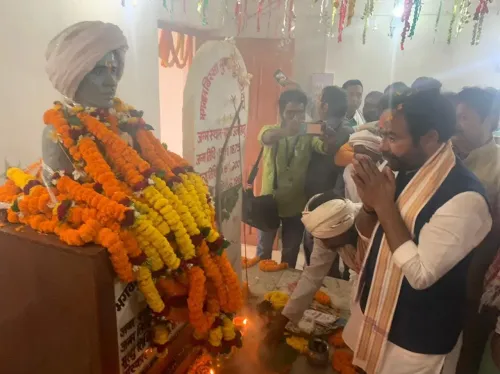
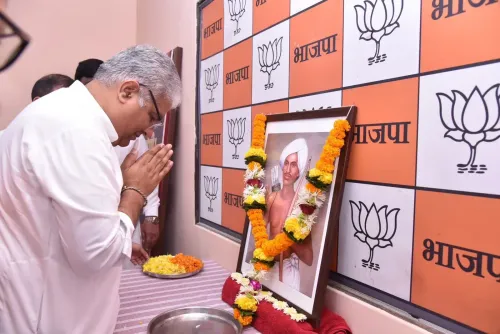
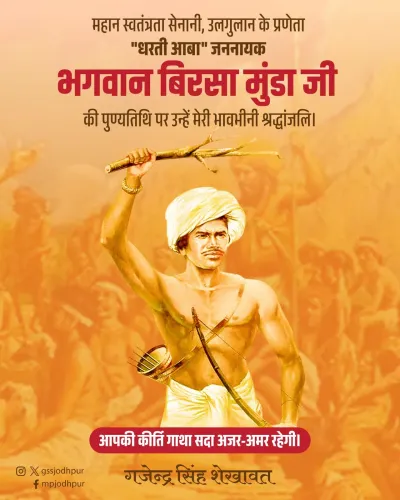
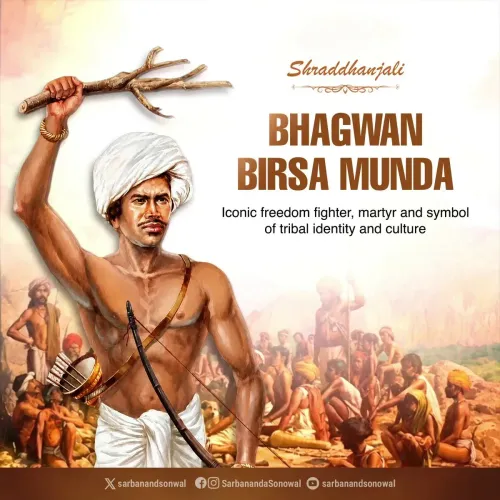
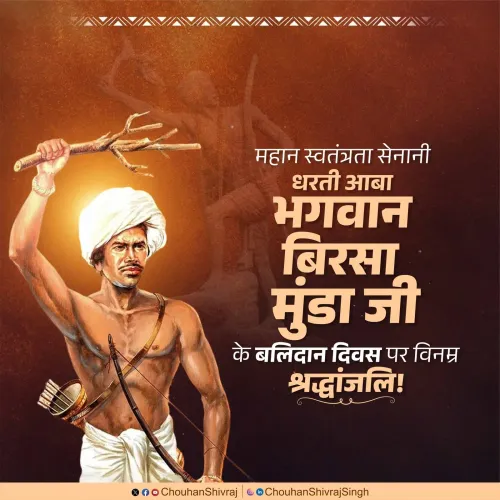
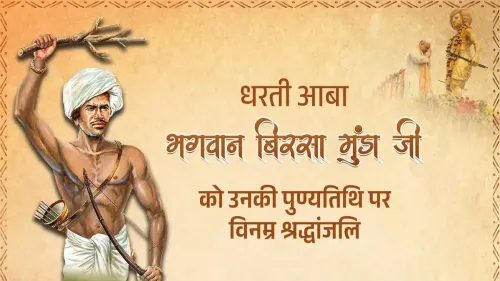
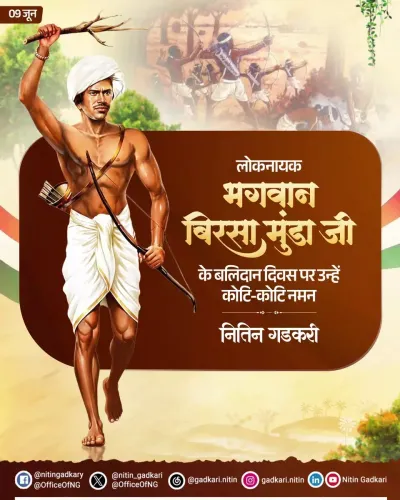
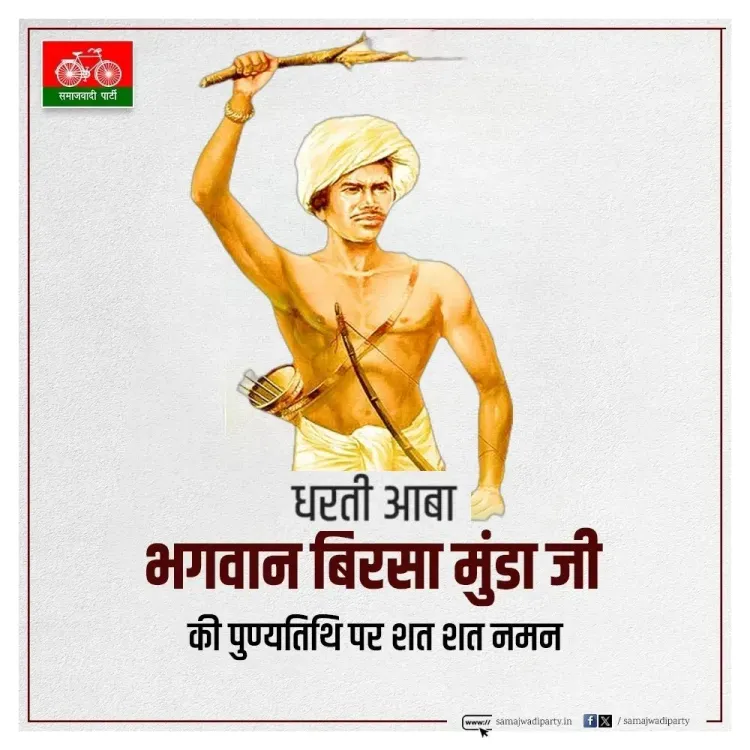
Samajwadi Party president Akhilesh Yadav on Tuesday, 9 June 2026, paid homage to Adivasi icon Bhagwan Birsa Munda on his death anniversary, offering reverence to the freedom fighter he described as a jannayak (people's leader) in a post on X.
Context
In his post, Akhilesh Yadav wrote: 'महान स्वतंत्रता सेनानी, जननायक भगवान बिरसा मुंडा जी की पुण्यतिथि पर शत शत नमन।' — translated: 'Heartfelt tributes on the death anniversary of the great freedom fighter and people's leader Bhagwan Birsa Munda.' The tribute marks the 126th death anniversary of Munda, who died on 9 June 1900 in a British jail in Ranchi.
Born in the Chota Nagpur region of present-day Jharkhand, Birsa Munda led the Ulgulan (Great Tumult) rebellion between 1899 and 1900, mobilising the Munda community against British land alienation policies and forced labour. He was arrested by colonial authorities and died in custody at the age of approximately 25.
Policy Backdrop
The Ulgulan movement directly shaped colonial land legislation: the Chota Nagpur Tenancy Act of 1908 restricted the transfer of tribal lands, a legal legacy that continues to govern land rights in Jharkhand today. Birsa Munda's image as a subaltern anti-colonial icon has since been institutionalised — his portrait hangs in the Central Hall of Parliament in New Delhi, and his birth anniversary, 15 November, is observed as Janjatiya Gaurav Divas (Tribal Pride Day) at the national level.
His name has also been attached to major public infrastructure, including the Birsa Munda International Airport in Ranchi, reflecting the broad cross-party consensus around his legacy as a symbol of Adivasi dignity and resistance.
Stakeholders and Impact
Adivasi communities across Jharkhand, Odisha, parts of Bihar, and West Bengal regard Birsa Munda as a foundational figure of tribal identity and rights. Politicians from national and regional parties routinely issue public tributes on 9 June, using the occasion to signal solidarity with Scheduled Tribe electorates that are numerically significant in several states.
The Samajwadi Party, while primarily rooted in Uttar Pradesh, has in recent years sought to broaden its appeal among marginalised communities including Adivasis, making such tributes part of a wider outreach effort.
What's Next
Observers will watch whether the tribute is followed by any substantive policy statements or ground-level events by Samajwadi Party leaders in tribal-majority constituencies. With debates around tribal land rights and welfare schemes linked to Birsa Munda's legacy remaining active in national politics, annual commemorations increasingly serve as a marker of a party's positioning on Adivasi issues ahead of future electoral contests.
Point of View
Such gestures are part of an incremental effort to build credibility among Scheduled Tribe communities in states like Jharkhand and Odisha. The institutionalisation of Birsa Munda's memory — through Janjatiya Gaurav Divas, parliamentary portraits, and named infrastructure — means that engaging with his legacy has become a baseline expectation of mainstream Indian politics, not an exceptional act. What distinguishes parties is whether symbolic tribute is matched by substantive policy positions on tribal land rights, forest rights, and welfare schemes.
NationPress
23 Sept 2026
Frequently Asked Questions
Who was Bhagwan Birsa Munda?
Bhagwan Birsa Munda was a late-19th-century Adivasi leader from the Chota Nagpur region who led the Ulgulan rebellion against British land alienation policies and died in Ranchi jail on 9 June 1900.
When did Birsa Munda die?
Birsa Munda died on 9 June 1900 in British custody in Ranchi, making 9 June his annual death anniversary observed across India.
Why did Akhilesh Yadav pay tribute to Birsa Munda?
Akhilesh Yadav paid tribute on the occasion of Birsa Munda's death anniversary, hailing him as a great freedom fighter and people's leader, as part of a broader pattern of political outreach to Adivasi communities.
What was the Ulgulan movement?
The Ulgulan, meaning 'Great Tumult,' was a rebellion led by Birsa Munda between 1899 and 1900 against British land policies and forced labour in the Chota Nagpur region, which helped lead to the Chota Nagpur Tenancy Act of 1908.
What is Janjatiya Gaurav Divas?
Janjatiya Gaurav Divas, or Tribal Pride Day, is observed on 15 November — Birsa Munda's birth anniversary — as a national day honouring the contributions of tribal communities and their icons.