Karnataka CM Office Backs Polio Drive, Calls for Zero Miss
Synopsis
The Chief Minister's Office of Karnataka has called on all parents to vaccinate children under five against polio, honouring ASHA and Anganwadi workers as the backbone of India's polio-free achievement and stressing that continuous immunisation rounds are the only way to protect that status permanently.
Key Takeaways
The Chief Minister's Office of Karnataka issued a polio immunisation appeal on 24 October 2026 in Kannada.
India achieved WHO polio-free certification in 2014 , following the last wild poliovirus case in 2011 .
The Pulse Polio Immunisation Programme , running since 1995 , uses oral vaccine drops delivered on designated National Immunization Days.
ASHA workers and Anganwadi workers are credited as the frontline force ensuring every child is reached, including in high-risk and migrant communities.
All children under five years are urged to receive polio drops without exception to sustain India's disease-free status.
Ongoing surveillance under the National Polio Surveillance Project remains critical to prevent reintroduction from imported poliovirus strains.
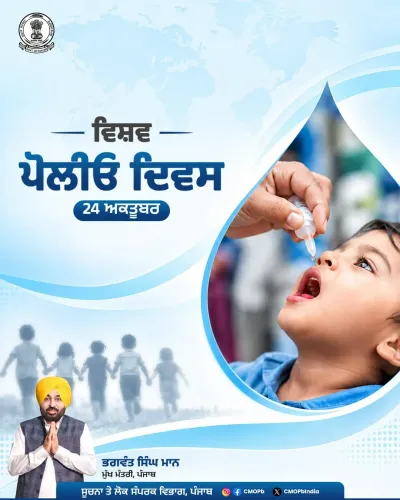
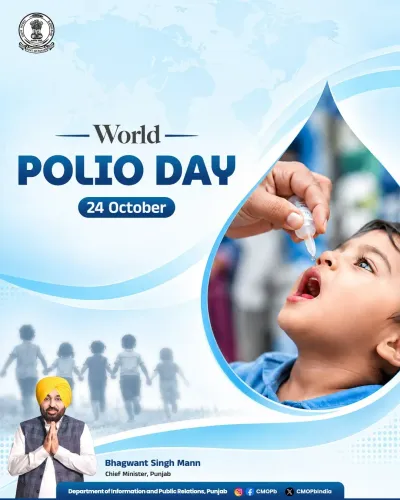
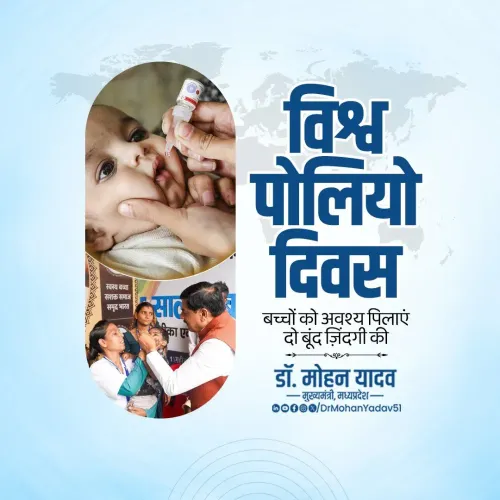
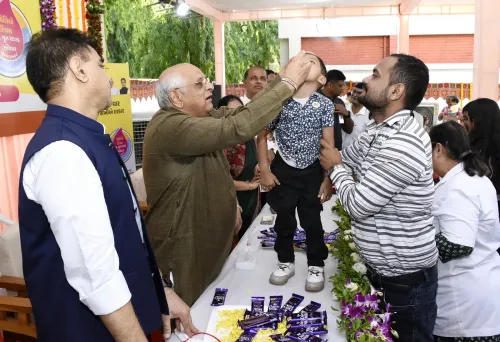
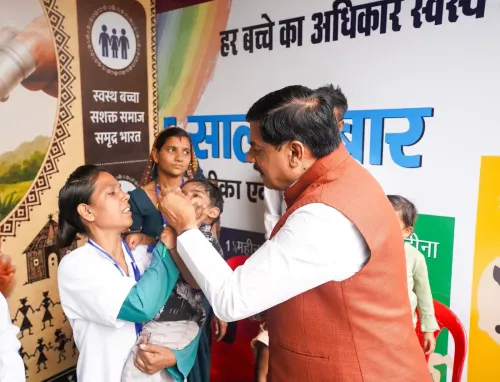
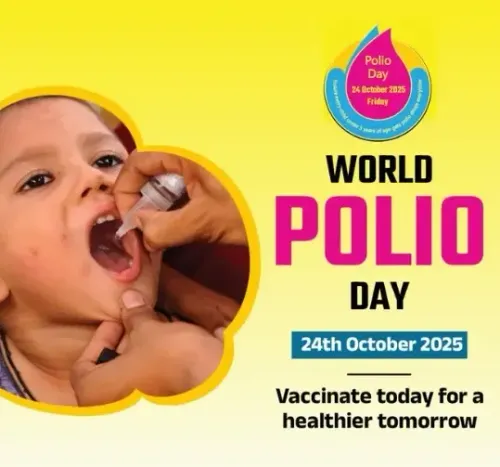
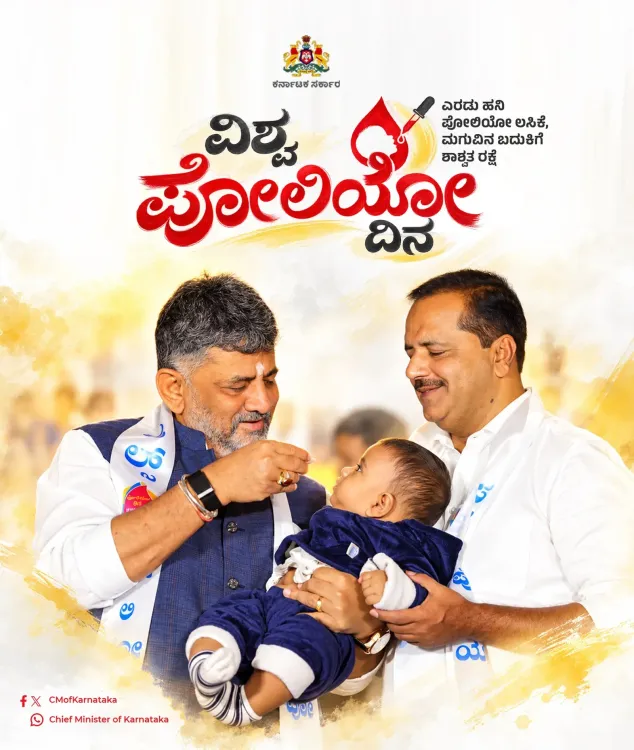
Two drops of oral vaccine — and a child is shielded for life. On Saturday, 24 October 2026, the Chief Minister's Office of Karnataka issued a stirring call to action on polio immunisation, reminding parents and communities that India's hard-won polio-free status demands constant vigilance, not complacency.
Translated from Kannada, the post reads: 'ಕೇವಲ ಎರಡು ಹನಿ ಲಸಿಕೆ, ಮಗುವಿನ ಇಡೀ ಬದುಕಿಗೇ ರಕ್ಷೆಯಾಗುತ್ತದೆ' — 'Just two drops of vaccine protect a child for an entire lifetime.' The message singles out ASHA workers, Anganwadi workers, and frontline health staff as the 'core strength' behind the country's immunisation success, and urges every parent to ensure all children under five years receive their polio drops without fail.From wild poliovirus to global benchmark — India's twelve-year shield
The stakes behind this appeal are real and documented. India recorded its last wild poliovirus case in 2011 and earned WHO polio-free certification in 2014 — a milestone that followed decades of near-misses and mass mobilisation. The Pulse Polio Immunisation Programme, launched in 1995, established the model: designated National Immunization Days on which oral polio vaccine drops are administered to every child under five, regardless of prior vaccination history.
Sustaining that status is a different, and in many ways harder, challenge. The Ministry of Health continues to run supplementary immunisation rounds coordinated with acute flaccid paralysis surveillance under the National Polio Surveillance Project. High-risk populations — migrants, remote communities, urban slum clusters — remain the focus of intensified drive days. A single surveillance gap can reopen a corridor for imported virus strains, which is precisely why the Karnataka government's appeal to leave no child missed carries operational weight, not just symbolic value.
The invisible army: ASHA and Anganwadi workers on the last mile
The CM's Office specifically names the workers who make coverage numbers real. ASHA (Accredited Social Health Activist) workers are community-based volunteers who go door-to-door, tracking pregnancies, births, and immunisation status in their catchment areas. Anganwadi workers, operating through the Integrated Child Development Services network, are often the first point of contact for children in rural Karnataka. Together they form the capillary system through which national programmes reach the last household.
The post calls their contribution 'niswārtha shrama' — selfless labour — and frames it as the foundational force of India's public-health achievement. It is a recognition that rarely makes prime-time, yet it underpins every zero-polio statistic the country celebrates.
India's polio story is proof that a low-cost, community-anchored intervention can eliminate a paralysing disease from one of the world's most densely populated nations. The only way to keep that proof intact is to never let a single child slip through the net.
Point of View
The messaging aligns with the broader 'last-mile delivery' framing that state governments have adopted to shore up Universal Immunisation Programme coverage metrics. Karnataka's emphasis fits a national pattern: governments periodically use symbolic, high-visibility messaging around polio to pre-empt complacency ahead of National Immunization Day rounds. The real policy test, however, is whether this visibility translates into adequate logistics, worker incentives, and surveillance funding at the district level.
NationPress
24 Oct 2026
Frequently Asked Questions
Is India still polio-free in 2026?
Yes. India has maintained its polio-free status since receiving WHO certification in 2014 , with no wild poliovirus case recorded since 2011 . Continued National Immunization Days and surveillance keep that status intact.
What is the Pulse Polio Programme in India?
The Pulse Polio Immunisation Programme was launched in 1995 . It administers two drops of oral polio vaccine to all children under five on designated National Immunization Days, regardless of prior vaccination history.
What role do ASHA workers play in polio vaccination?
ASHA (Accredited Social Health Activist) workers are community-based volunteers who conduct door-to-door outreach to track unvaccinated children and ensure they receive polio drops, especially in rural and high-risk areas.
Why does India still conduct polio drives if the disease is eliminated?
Poliovirus can be reintroduced through travel and contact with regions where the disease is still active. Ongoing supplementary immunisation rounds and acute flaccid paralysis surveillance are essential to prevent any resurgence.
Which children should receive polio drops during an immunisation drive?
All children under five years of age should receive polio drops during every immunisation round, regardless of how many doses they have previously received.