Gadkari marks World Polio Day, urges timely vaccination
Synopsis
On World Polio Day, Union Minister Nitin Gadkari urged renewed global and national commitment to polio eradication through timely vaccination, echoing India's two-decade journey to WHO-certified polio-free status in 2014.
Key Takeaways
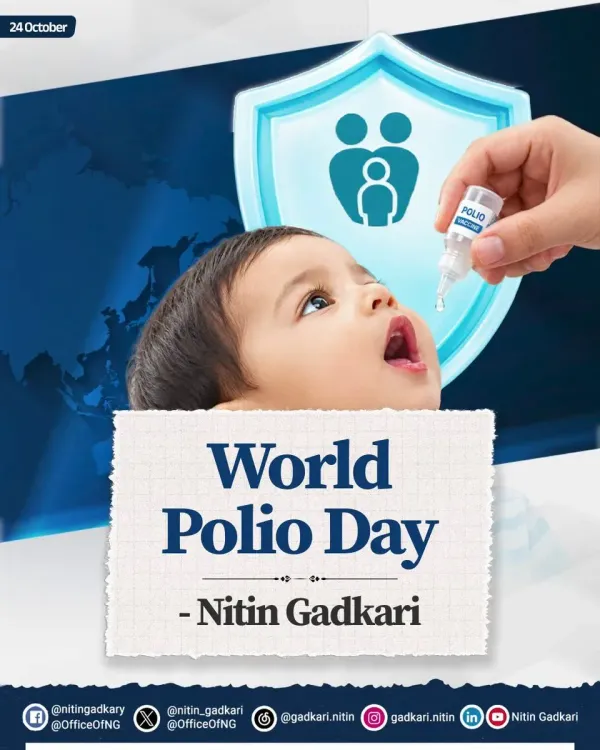
Union Minister Nitin Gadkari posted on World Polio Day, 24 October 2026 , calling for universal child vaccination and healthcare access.
India was declared polio-free by the WHO in 2014 after sustained efforts under the Pulse Polio Immunisation Programme launched in 1995 .
The Global Polio Eradication Initiative continues to monitor endemic transmission, with cross-border surveillance critical for India's neighbourhood.
World Polio Day is observed annually on 24 October , the birth anniversary of polio vaccine pioneer Jonas Salk .
Senior government voices calling for vaccination across portfolio lines reinforce political will beyond the health ministry alone.
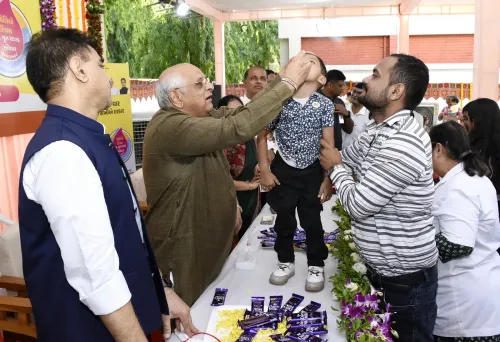
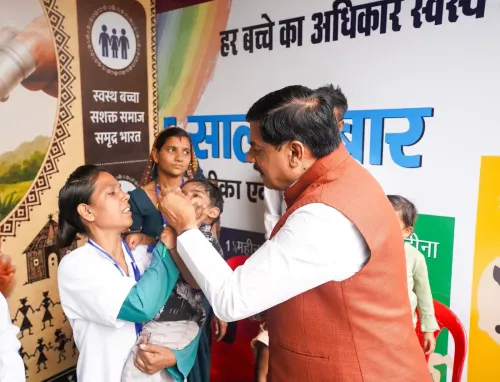
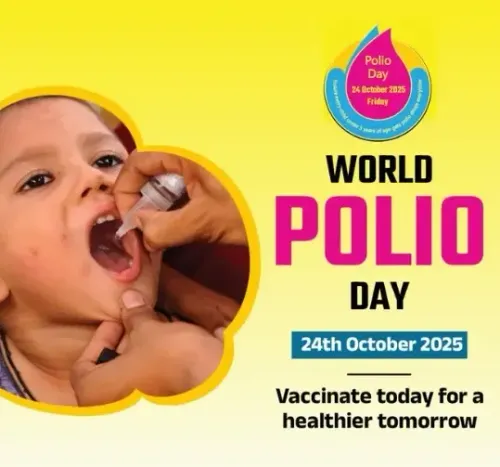
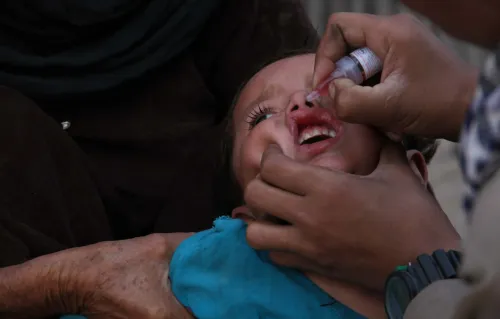
On World Polio Day, 24 October 2026, Union Road Transport and Highways Minister Nitin Gadkari called on the nation — and the world — to hold firm on the unfinished work of polio eradication, stressing that every child is entitled to protection through timely vaccination and accessible healthcare.
A milestone hard-won — and still worth defending
India's polio-free status, certified by the WHO in 2014, was not handed down — it was built over nearly two decades through the Pulse Polio Immunisation Programme, launched in 1995. At its peak, the campaign mobilised millions of health workers to reach children in the most remote corners of the country with oral vaccine on fixed National Immunization Days. That sustained, boots-on-the-ground effort is exactly the model Gadkari's message implicitly endorses.
The achievement matters globally, too. India's elimination of wild poliovirus removed a massive reservoir of transmission risk from the world's most densely populated region. But eradication is not the same as elimination — so long as the virus persists anywhere, the threat of re-importation through porous borders remains real.
The global map polio still holds
The Global Polio Eradication Initiative continues to monitor endemic transmission, primarily in Afghanistan and Pakistan — India's immediate neighbourhood. Cross-border surveillance between South Asian countries remains a critical line of defence, making Gadkari's call for collective resolve more than rhetorical. The shared geography means a gap in one country's vaccination coverage is a gap in everyone's.
World Polio Day — observed annually on 24 October — was established to honour Jonas Salk, the scientist whose birth anniversary falls on this date and who developed the first safe and effective polio vaccine. It has since become a rallying point for governments, health agencies, and civil society to audit progress and renew commitments.
Why a road minister's health message lands differently
Gadkari's portfolio sits squarely in infrastructure, not public health — which is precisely why the post carries a distinct signal. Senior government voices speaking across portfolio lines on vaccination amplify political will beyond any single ministry. It is a reminder that polio eradication, like road-building, requires coordination across every level of government and every community.
Routine immunisation coverage — not just pulse campaigns — is the long game. As India's health system scales up universal immunisation, keeping public and political attention on that baseline is the quiet, unglamorous work that keeps 'polio-free' permanent rather than provisional.
Point of View
Reinforcing the NDA government's broader public-health messaging. India's 2014 WHO certification remains one of the most cited public-health achievements in the country's recent history, and invoking it annually is part of how ruling coalitions sustain narrative ownership over that win. The more substantive subtext is the reminder that eradication is a global collective action problem — India's immunity depends on its neighbours' vaccination rates, a point that maps neatly onto South Asia's ongoing diplomatic and health-security challenges.
NationPress
24 Oct 2026
Frequently Asked Questions
When is World Polio Day celebrated?
World Polio Day is observed every year on 24 October , the birth anniversary of Jonas Salk, who developed the first safe polio vaccine.
Is India polio-free?
Yes. India was officially certified polio-free by the WHO in January 2014 , following years of intensive vaccination drives under the Pulse Polio Immunisation Programme.
What is the Pulse Polio Immunisation Programme?
The Pulse Polio Immunisation Programme was launched in 1995 and involved administering oral polio vaccine to all children under five on fixed National Immunization Days, eventually eliminating wild poliovirus from India.
Why is polio still a concern if India is polio-free?
Wild poliovirus still circulates in Afghanistan and Pakistan , creating a risk of re-importation through cross-border movement. Maintaining high routine vaccination coverage and cross-border surveillance is essential to protect India's polio-free status.
What did Nitin Gadkari say on World Polio Day 2026?
Minister Gadkari called for strengthening the resolve to build a 'polio-free world,' emphasising that every child deserves protection through timely vaccination and access to healthcare.