Nadda highlights India's disease elimination milestones
Synopsis
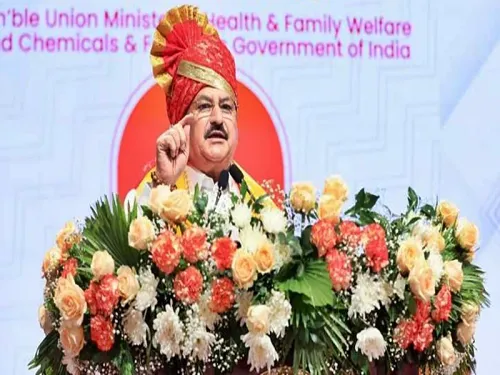
Union Health Minister J. P. Nadda has highlighted India's elimination of polio (2014), maternal and neonatal tetanus (2015), and trachoma as a public health concern (2024), and said the country is advancing towards WHO certification for kala-azar elimination — marking a decades-long sequential disease-control achievement.
Key Takeaways
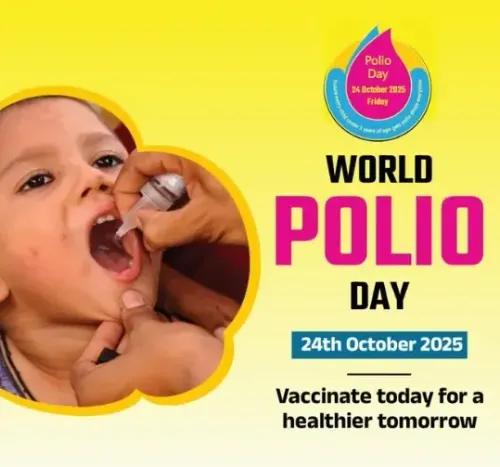
India was certified polio-free in 2014 , following nearly two decades of the Pulse Polio Immunisation Programme launched in 1995.
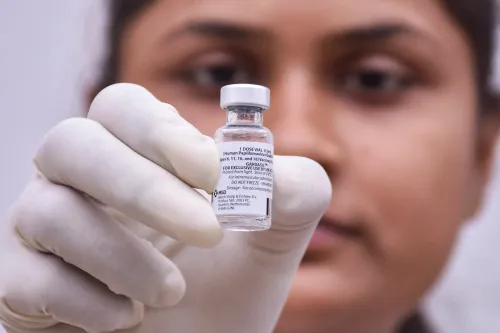
Maternal and neonatal tetanus was eliminated in 2015 through sustained tetanus toxoid vaccination campaigns targeting women of reproductive age.
Trachoma ceased to be a public health concern in 2024 , validated through the National Programme for Control of Blindness.
India is pursuing formal WHO certification for kala-azar elimination after driving incidence below the prescribed threshold in endemic districts.
The achievements align with goals set in the National Health Policy 2017 and the WHO South-East Asia regional elimination strategy.
Each milestone has enabled reallocation of health infrastructure to the next priority disease, creating a sequential elimination pathway since smallpox eradication in 1977.
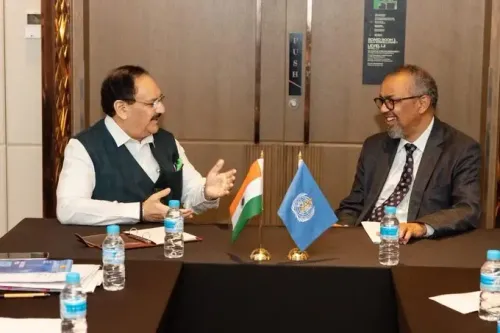
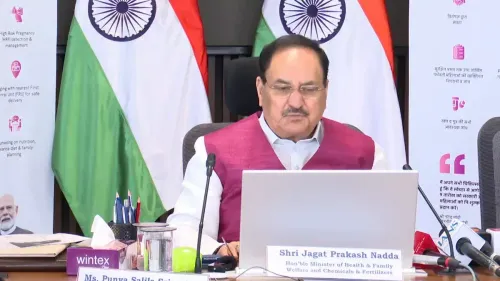
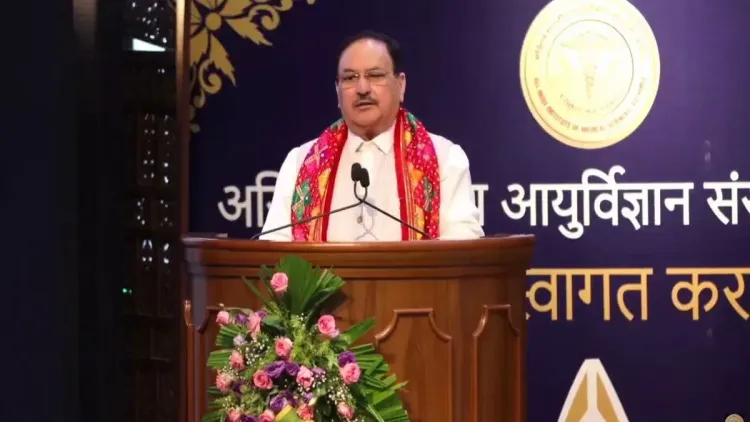
Union Health Minister J. P. Nadda on Tuesday, June 2, 2026, highlighted a series of landmark public health achievements, citing India's elimination of polio, maternal and neonatal tetanus, and trachoma as a public health concern, while noting the country's ongoing push for WHO certification on kala-azar elimination.
Context
Posting in Hindi on X, Nadda wrote: 'भारत ने संक्रामक रोगों के नियंत्रण में बड़ी उपलब्धियां हासिल की हैं' ['India has achieved major milestones in the control of infectious diseases']. He enumerated three completed milestones and flagged a fourth in progress, framing them as a sequential public health success story under the current government's stewardship.
The minister noted that India became polio-free in 2014, achieved elimination of neonatal and maternal tetanus in 2015, and in 2024 trachoma ceased to be a public health concern. On kala-azar, he said India is 'moving towards WHO certification for elimination.'
Policy Backdrop
India's polio-free status followed nearly two decades of the Pulse Polio Immunisation Programme, launched in 1995, which deployed mass oral vaccine campaigns twice a year across the country. The programme is widely cited as one of the largest public health mobilisations in history, reaching hundreds of millions of children.
The elimination of maternal and neonatal tetanus in 2015 was achieved through sustained tetanus toxoid vaccination drives targeting women of reproductive age, particularly in high-risk districts. Trachoma control was integrated into the National Programme for Control of Blindness, with intensified surveillance and antibiotic distribution in endemic states eventually meeting the WHO threshold for validation.
The National Kala-azar Elimination Programme, operational since the early 1990s under the National Vector Borne Disease Control Programme, has driven incidence of the sandfly-borne disease below the WHO-prescribed elimination benchmark of less than one case per 10,000 population at the sub-district level in endemic areas. Formal WHO certification, however, requires a sustained period of verified low incidence and robust surveillance documentation.
Stakeholders and Impact
The milestones most directly benefit children, mothers, and rural populations in historically endemic regions — particularly the Bihar, Jharkhand, West Bengal, and Uttar Pradesh belt, which has borne the highest kala-azar burden. State health departments have been central implementing partners across all four disease programmes.
India's sequential elimination pathway — from smallpox eradication in 1977 through polio and tetanus to neglected tropical diseases — reflects the approach outlined in the National Health Policy 2017 and aligns with WHO South-East Asia regional strategies. Each milestone has allowed reallocation of surveillance infrastructure and trained health workers to the next priority disease.
What's Next
The immediate focus is completing the formal WHO certification process for kala-azar elimination, which requires sustained documentation of low incidence alongside verified surveillance capacity. Parliamentary scrutiny of National Health Mission budget allocations for remaining neglected tropical disease targets is also expected to intensify in coming sessions.
If kala-azar certification is secured, India would have achieved elimination or eradication of five major infectious diseases within roughly five decades — a record that would reinforce the country's standing as a reference model for low- and middle-income nations pursuing similar targets under the WHO's neglected tropical disease roadmap through 2030.
Point of View
The minister is anchoring the kala-azar push within a bipartisan public health legacy while ensuring the current government is seen as the one closing the loop. The post also signals to state health departments and international partners that political capital at the Union level remains firmly behind the certification process. If WHO certification follows, it will likely be deployed prominently in domestic political messaging on health governance.
NationPress
16 Oct 2026
Frequently Asked Questions
When did India become polio-free?
India was certified polio-free by the WHO in 2014 , after nearly two decades of the Pulse Polio Immunisation Programme that began in 1995.
What is kala-azar and why is WHO certification important?
Kala-azar (visceral leishmaniasis) is a sandfly-borne parasitic disease endemic in parts of Bihar, Jharkhand, West Bengal, and Uttar Pradesh. WHO certification formally validates that a country has sustained incidence below the elimination threshold and maintains robust surveillance, granting international recognition of the achievement.
Has India eliminated maternal and neonatal tetanus?
Yes. India achieved elimination of maternal and neonatal tetanus in 2015 through sustained tetanus toxoid vaccination campaigns targeting women of reproductive age in high-risk districts.
What is the current status of trachoma in India?
As of 2024 , trachoma is no longer considered a public health concern in India, following intensified antibiotic distribution and surveillance activities under the National Programme for Control of Blindness.
What is the National Kala-azar Elimination Programme?
The National Kala-azar Elimination Programme has been operational since the early 1990s under India's vector-borne disease control framework. It uses indoor residual spraying, active case detection, and treatment to drive down sandfly-borne disease incidence, and India has now brought cases below the WHO elimination benchmark at the sub-district level.