Kejriwal accuses Modi of insulting Sonam Wangchuk
Synopsis
AAP convenor Arvind Kejriwal accused Prime Minister Narendra Modi of insulting Ladakhi activist Sonam Wangchuk out of arrogance on 18 July 2026, demanding the PM hold direct talks with Wangchuk over Ladakh's long-pending demands for Sixth Schedule status and constitutional safeguards.
Key Takeaways
Arvind Kejriwal publicly accused PM Modi of insulting Sonam Wangchuk on 18 July 2026 , calling it an act of arrogance.
Kejriwal demanded that Modi hold direct talks with Wangchuk to address Ladakh's grievances.
Sonam Wangchuk has led protests since 2023 demanding Sixth Schedule status and job protections for Ladakh .
Ladakh was made a Union Territory without a legislature in 2019 after revocation of Article 370 .
The central government has not committed to Sixth Schedule inclusion or statehood for Ladakh despite sustained civil society pressure.
The episode is likely to fuel calls for a parliamentary debate on Ladakh's constitutional status.
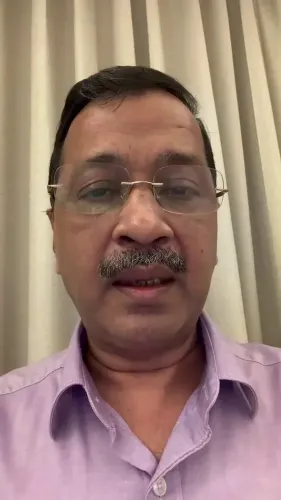
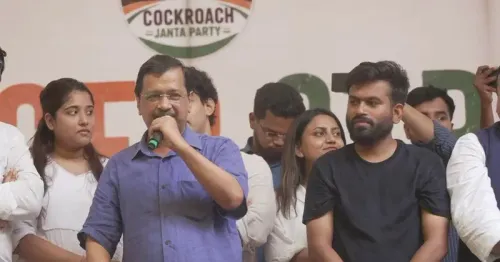
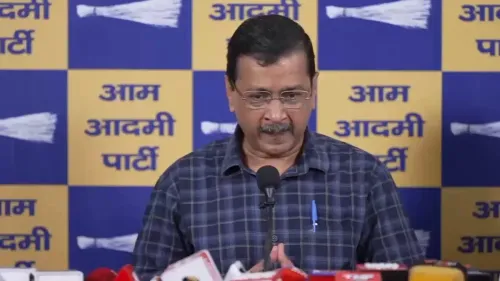
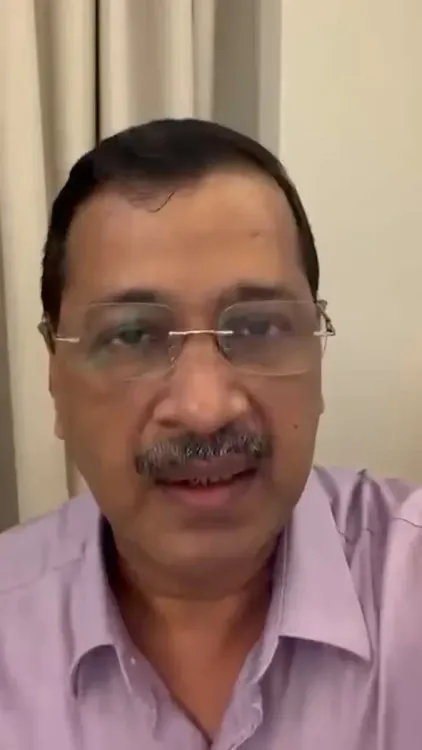
AAP convenor Arvind Kejriwal on Saturday, 18 July 2026, sharply criticised Prime Minister Narendra Modi, accusing him of insulting Ladakhi activist Sonam Wangchuk out of arrogance and calling on the Prime Minister to hold direct talks with him.
In a post on X, Kejriwal wrote: 'Modi ji ne ahankaarwash aaj Sonam Wangchuk ka apman kiya. Modi ji ko Sonam Wangchuk se baat karni chahiye thi.' — translated: 'Out of arrogance, Modi ji insulted Sonam Wangchuk today. Modi ji should have spoken with Sonam Wangchuk.'
Context
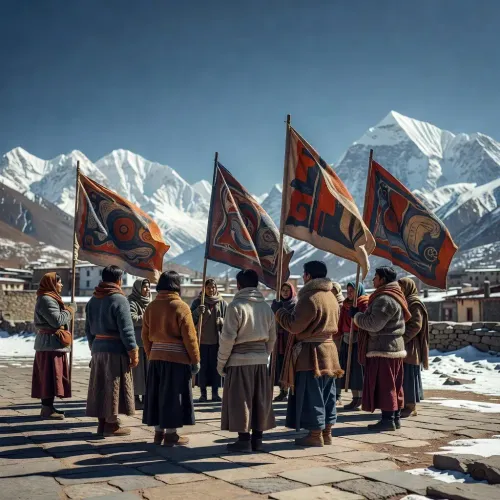
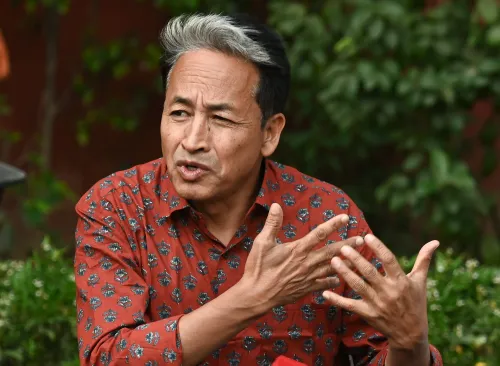
Sonam Wangchuk is a Ladakhi engineer, innovator, and climate activist who has emerged as the most prominent voice demanding constitutional safeguards for Ladakh since the region was carved out as a Union Territory in 2019 following the revocation of Article 370. His campaigns have drawn national attention to concerns about land rights, employment protections, and political representation for Ladakhis.
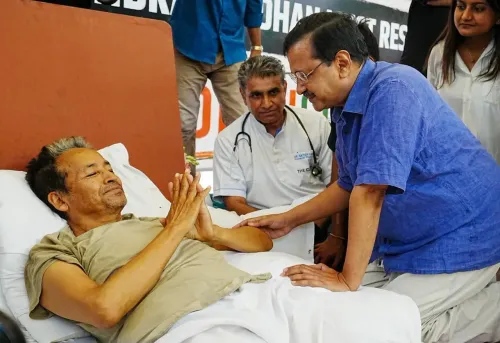
Wangchuk has led sustained protests and fasts since 2023, demanding that Ladakh be brought under the Sixth Schedule of the Constitution, which grants tribal communities greater autonomy and legislative protections. These demands have repeatedly been met with silence or procedural responses from the central government, fuelling frustration among Ladakhi civil society.
Policy Backdrop
The reorganisation of Jammu and Kashmir in August 2019 bifurcated the state into two Union Territories — Jammu and Kashmir (with a legislature) and Ladakh (without one). Critics and Ladakhi leaders have since argued that the arrangement stripped the region of democratic representation and left residents without adequate legal protections over land and jobs.
The demand for Sixth Schedule status has bipartisan sympathy in parts of the opposition, with leaders across parties occasionally voicing support for Wangchuk's position. The central government has maintained that Ladakh's development needs are being addressed through direct administrative oversight and infrastructure investment, but has stopped short of committing to Sixth Schedule inclusion or statehood.
Stakeholders and Impact
Ladakh's roughly 3 lakh residents are the primary stakeholders in the autonomy debate. Activists argue that without Sixth Schedule protections, demographic and economic pressures — particularly from outside settlers — could erode the region's cultural and ecological character. The issue also carries strategic weight given Ladakh's position along the Line of Actual Control with China.
Kejriwal's intervention signals that AAP intends to keep the Ladakh autonomy question in national political discourse. The party has previously highlighted what it calls the central government's neglect of Himalayan border communities. By framing the episode as an act of 'arrogance' (ahankaar), Kejriwal is appealing to a broader narrative of the BJP government being dismissive of dissenting voices.
What's Next
The immediate question is whether the central government will respond to the renewed political pressure with any fresh outreach to Wangchuk or Ladakhi civil society groups. Any escalation of protests on the ground — particularly hunger strikes or marches — could intensify opposition demands for a parliamentary debate on Ladakh's constitutional status.
With several opposition parties now aligned on the Sixth Schedule demand, the issue is likely to resurface in the next session of Parliament. Whether New Delhi chooses dialogue or continued silence will shape both the political temperature in Ladakh and the broader narrative around the 2019 reorganisation's long-term legitimacy.
Point of View
Tribal rights, and national security in a single flashpoint. If the central government continues to avoid engagement, the opposition coalition around Ladakh's demands is likely to grow more cohesive ahead of the next parliamentary session.
NationPress
18 Jul 2026
Frequently Asked Questions
Why did Kejriwal criticise Modi over Sonam Wangchuk?
Kejriwal accused PM Modi of insulting Sonam Wangchuk out of arrogance on 18 July 2026 and said the Prime Minister should have spoken directly with the Ladakhi activist instead.
Who is Sonam Wangchuk and what does he want?
Sonam Wangchuk is a Ladakhi engineer and activist who has led protests since 2023 demanding Sixth Schedule constitutional status, land protections, and job safeguards for residents of Ladakh.
What is the Sixth Schedule demand for Ladakh?
The Sixth Schedule of the Indian Constitution grants tribal communities autonomous legislative councils and protections over land and resources. Ladakhi activists want this status to safeguard the region's demographic and cultural identity after it was made a Union Territory in 2019.
What happened to Ladakh's political status in 2019?
In August 2019, the central government revoked Article 370 and bifurcated Jammu and Kashmir into two Union Territories. Ladakh became a UT without a legislature, removing elected representation that activists say left residents politically vulnerable.
What could happen next in the Ladakh autonomy dispute?
Political pressure from opposition parties, including AAP, could push the issue into Parliament's next session. Escalating protests or hunger strikes by Wangchuk and his supporters may also force a government response on the Sixth Schedule question.