CM Saini Meets All Haryana SHOs in Drug-Free Push
Synopsis
Haryana CM Nayab Singh Saini met all state SHOs at Police Academy Madhuban on 18 July 2026 under the Haryana Uday initiative, rallying the police force behind a unified 'Drug-Free Haryana' resolve and tasking station-level officers with both enforcement and community-protection duties.
Key Takeaways
CM Nayab Singh Saini participated in a dialogue programme with all Haryana Police SHOs on 18 July 2026 .
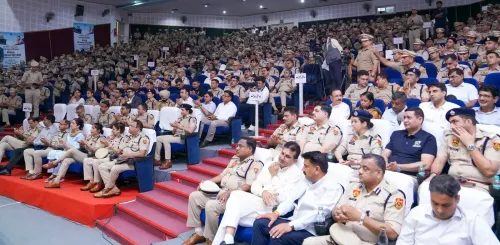
The event was held at Police Academy, Madhuban, Karnal — the state's principal police training facility.
It was organised under the Haryana Uday state initiative, which anchors the government's governance and welfare programmes.
The campaign slogan is 'One Police, One Resolve — Drug-Free Haryana' , projecting institutional unity across all police stations.
SHOs were reminded that their mandate extends beyond law and order to protecting society's future from drug abuse.
The programme aligns with the national Nasha Mukt Bharat Abhiyan launched by the Ministry of Social Justice and Empowerment in 2020 .
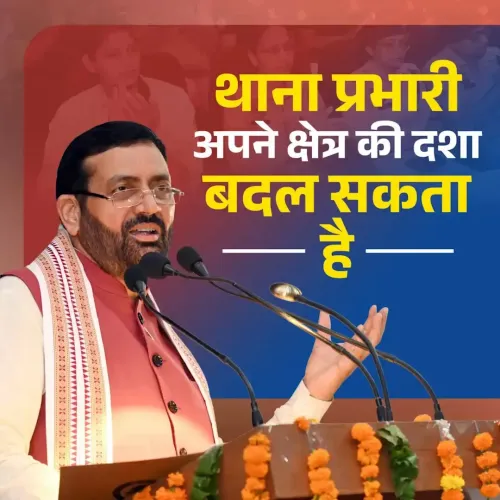
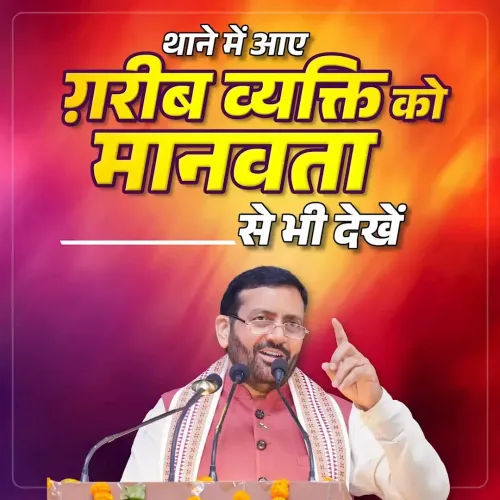
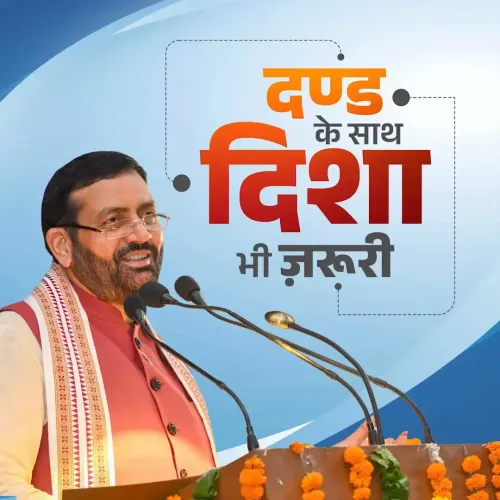
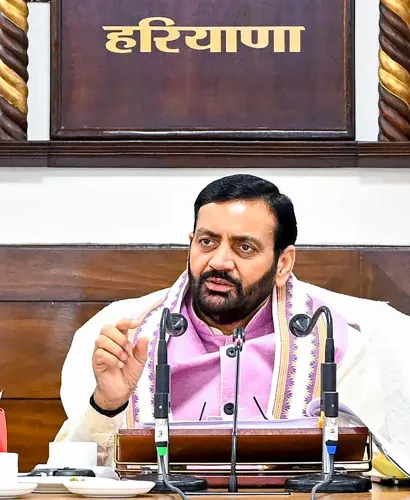
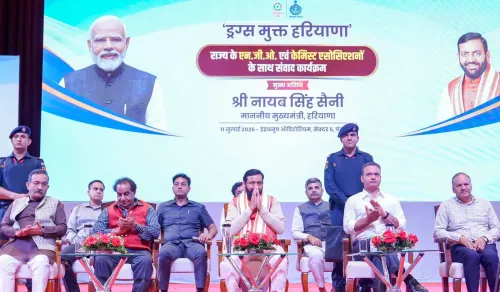
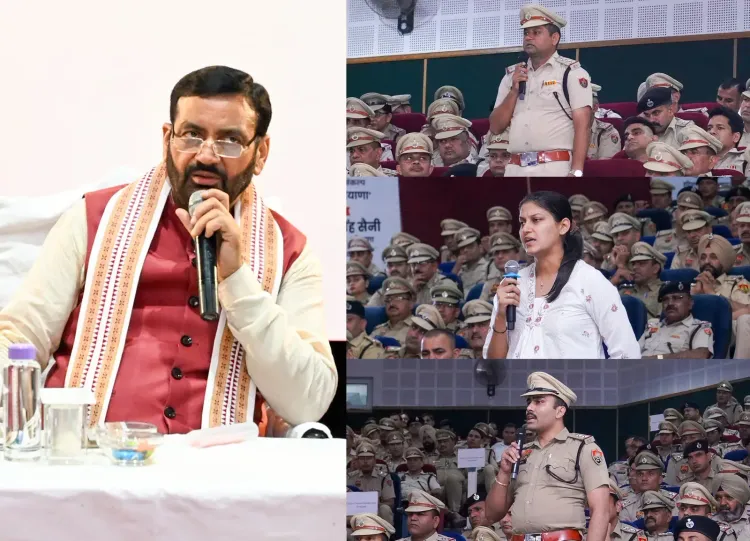
Haryana Chief Minister Nayab Singh Saini on Saturday, 18 July 2026, participated in a dialogue programme with all Station House Officers (SHOs) of Haryana Police at the Police Academy, Madhuban, Karnal, reaffirming the state government's resolve to achieve a drug-free Haryana.
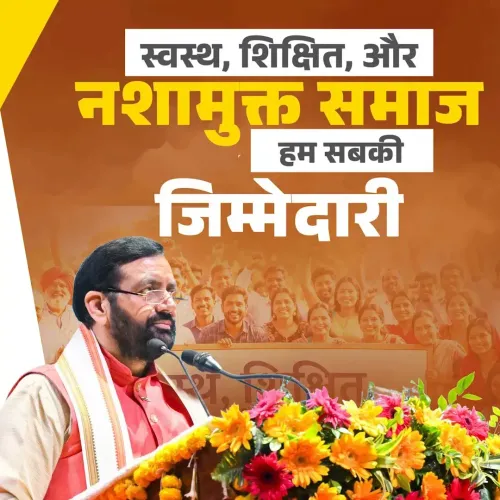
Posting about the event on X, CM Saini wrote: 'एक पुलिस, एक संकल्प — ड्रग्स मुक्त हरियाणा' ('One Police, One Resolve — Drug-Free Haryana'), describing the programme as an important campaign to give fresh energy to the anti-drug mission. He underlined that the police bear responsibility not only for law and order but also for protecting the future of society.
Context
The event was organised under the state's flagship Haryana Uday initiative, which encompasses a range of governance and welfare programmes. The dialogue format — bringing all SHOs under one roof — signals a coordinated, command-level push rather than routine departmental communication. CM Saini framed the gathering as a mission-oriented exercise, invoking the slogan 'One Police, One Resolve' to project institutional unity against drug abuse.
Policy Backdrop
The programme sits within a wider national framework. The Nasha Mukt Bharat Abhiyan, launched by the Ministry of Social Justice and Empowerment in 2020, set the template for state-level anti-narcotics coordination, asking district police and social-welfare machinery to work in tandem. Haryana has aligned its own campaign with this central push, channelling it through Haryana Uday to give the effort a distinct state identity.
Across India, states have increasingly tasked police leadership — particularly SHOs, who are the first point of contact for communities — with dual roles: enforcement of narcotics laws and grassroots awareness outreach. Holding a single, centralised dialogue with all SHOs is intended to standardise messaging and operational priorities across every police station in the state.
Stakeholders and Impact
The primary stakeholders are Haryana's youth, families affected by addiction, and the SHOs who will translate directives into ground-level action across the state's districts. By addressing all SHOs simultaneously, the government aims to eliminate inconsistency in how anti-drug drives are conducted at the police-station level. Community groups and rehabilitation networks are secondary beneficiaries, as stronger police coordination typically amplifies referral pathways to de-addiction services.
The Police Academy, Madhuban in Karnal — the state's primary police training facility — lends institutional weight to the programme, reinforcing that the anti-drug mandate is being treated as a core professional responsibility rather than a peripheral campaign.
What's Next
Attention will now turn to whether the directives issued to SHOs translate into measurable outcomes — including drug-seizure figures, arrests, and enrolments in rehabilitation programmes — at the district level. The Haryana Uday framework is expected to serve as the monitoring spine for tracking progress. How individual police stations respond to the renewed mandate will determine whether the 'One Police, One Resolve' slogan moves from rhetoric to reportable results.
Point of View
CM Saini is making a visible political statement: anti-drug enforcement is a personal priority of the chief minister, not a bureaucratic routine. The 'Haryana Uday' branding layers the campaign onto a broader governance narrative the BJP is building ahead of future electoral cycles. Tasking SHOs — the state's most community-embedded police officers — with social-protection goals alongside enforcement is a deliberate strategy to close the gap between policing and welfare. The real test will be whether this top-down momentum produces district-level metrics that can be cited as proof of delivery.
NationPress
18 Jul 2026
Frequently Asked Questions
What is the 'Drug-Free Haryana' campaign?
'Drug-Free Haryana' is a state government initiative under the Haryana Uday programme, aimed at eliminating drug abuse through coordinated police enforcement and community outreach across all districts of Haryana.
What is Haryana Uday?
Haryana Uday is a state-level initiative launched by the Haryana government that encompasses multiple governance and welfare programmes, including the anti-drug drive led by the Chief Minister's office.
What is the role of SHOs in the anti-drug campaign?
Station House Officers (SHOs) are the ground-level police commanders responsible for implementing anti-drug directives within their jurisdictions, conducting awareness drives, and coordinating enforcement and rehabilitation referrals.
Where is Police Academy Madhuban located?
Police Academy Madhuban is located in Karnal district, Haryana, and serves as the state's primary facility for police training and large-scale coordination programmes.
How does Haryana's campaign connect to the national anti-drug policy?
Haryana's initiative aligns with the Nasha Mukt Bharat Abhiyan, launched by the Ministry of Social Justice and Empowerment in 2020, which provides the national framework for state-level anti-narcotics coordination.