CM Saini Calls Drug Fight a Moral Duty for Haryana
Synopsis
Haryana Chief Minister Nayab Singh Saini on 18 July 2026 framed the fight against drug abuse as a moral and spiritual obligation, calling on citizens to collectively realise the goals of a drug-free and developed Haryana, linking the state's anti-drug drive to broader development ambitions.
Key Takeaways
CM Nayab Singh Saini on 18 July 2026 called drug abuse a moral and spiritual challenge, not just a law-enforcement issue.
He urged collective action to achieve Nasha Mukt Haryana (Drug-Free Haryana) alongside Viksit Haryana (Developed Haryana).
The Central government's Nasha Mukt Bharat Abhiyan , launched in 2020 , covers 272 high-risk districts including those in Haryana.
Haryana has run coordinated anti-drug operations and community campaigns since 2018 , with district-level task forces established under former CM Manohar Lal Khattar .
The statement signals potential outreach through families, panchayats, and religious institutions beyond conventional policing.
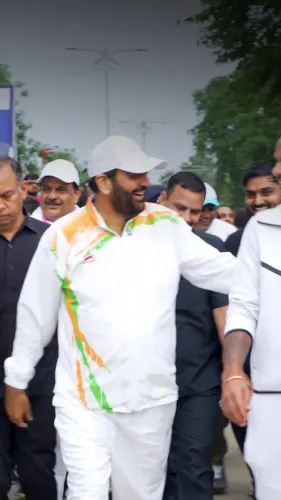
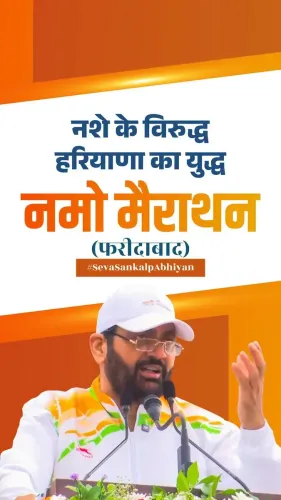
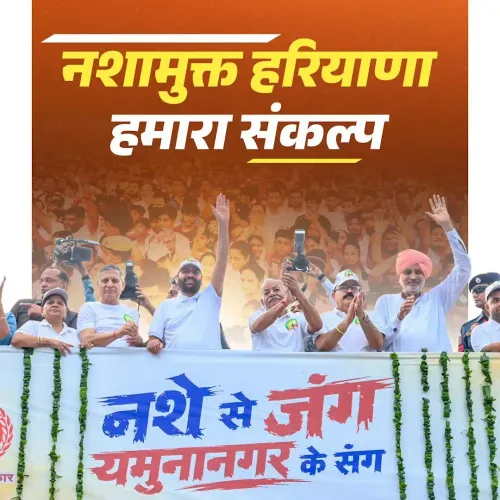
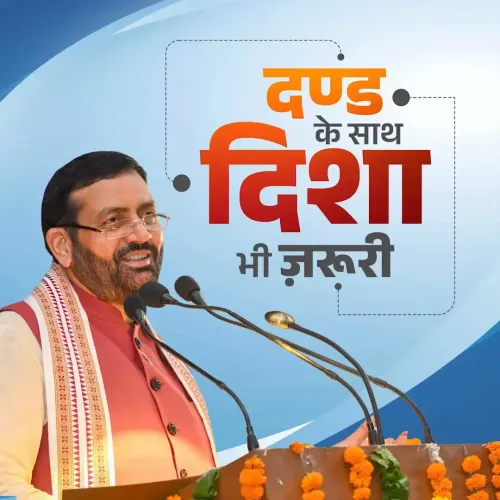
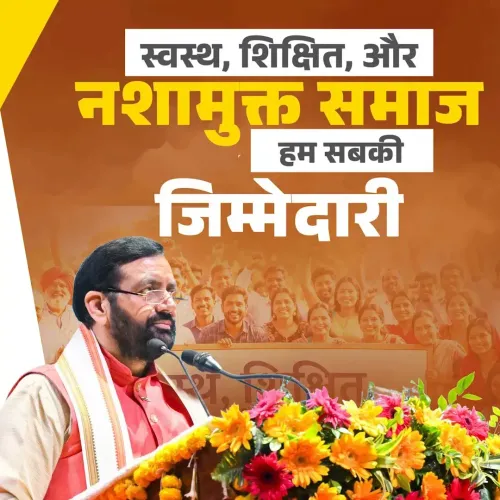
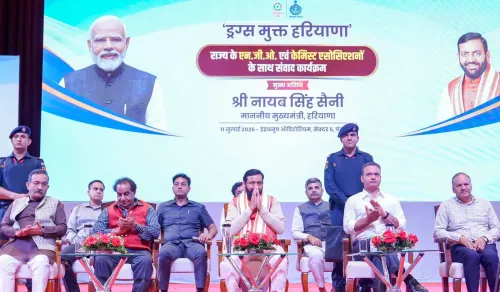
Haryana Chief Minister Nayab Singh Saini on Saturday, 18 July 2026, called the fight against drug abuse a moral and spiritual responsibility, not merely a law-enforcement challenge, urging collective action toward a drug-free and developed Haryana.
Context
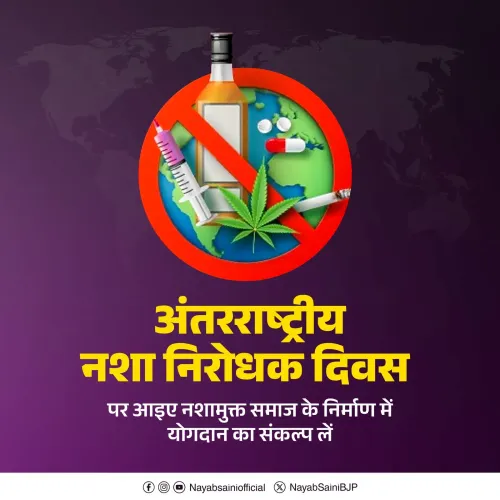
Posting on X, CM Saini wrote: 'Nashe ke khilaf ladai keval kanoon ki nahin, balki sanskaron aur samajik jagrukta ki bhi ladai hai' — 'The fight against drugs is not just a fight of law, but also of values and social awareness.' He further described a drug-free Haryana as not only a social need but a 'moral and spiritual obligation,' calling on citizens to join in realising the twin goals of Nasha Mukt Haryana (Drug-Free Haryana) and Viksit Haryana (Developed Haryana).
The statement frames substance abuse as a civilisational concern requiring community ownership alongside state action — a framing that has recurred across BJP-governed states in recent years.
Policy Backdrop
The Central government launched the Nasha Mukt Bharat Abhiyan in 2020 under the Ministry of Social Justice and Empowerment, targeting 272 high-risk districts across India with awareness campaigns and de-addiction infrastructure. Haryana has been part of this national framework since the programme's inception.
At the state level, coordinated anti-drug operations and community outreach campaigns began as early as 2018 under then Chief Minister Manohar Lal Khattar, including the formation of district-level task forces. CM Saini, who took office in March 2024, has continued and expanded this combined enforcement-and-awareness approach.
Haryana's rural districts have documented elevated rates of drug abuse among youth, making the issue a persistent policy and public-health priority for successive state administrations.
Stakeholders and Impact
The primary stakeholders are Haryana's youth and rural families, who bear the sharpest social and economic consequences of drug dependency. By invoking sanskar (values) and adhyatmik dayitva (spiritual responsibility), the Chief Minister's message is directed as much at families, village councils, and religious institutions as it is at law-enforcement agencies.
The dual framing — linking Nasha Mukt Haryana to Viksit Haryana — signals that drug-free status is positioned as a precondition for broader development, connecting local anti-drug efforts to the national Viksit Bharat 2047 vision. Similar messaging has been deployed in comparable campaigns in Punjab and Uttar Pradesh, blending enforcement with school and panchayat-level value education.
What's Next
Observers will watch whether the statement precedes concrete policy announcements, such as new school or panchayat-level awareness modules or updated district-wise de-addiction statistics from the Haryana health department. The language of moral and spiritual duty also suggests potential outreach through religious and community organisations.
The coming weeks will indicate whether this social-media call to action translates into a formal campaign launch or legislative push, as CM Saini seeks to consolidate both the governance and cultural dimensions of the state's anti-drug agenda.
Point of View
From law enforcement to families, temples, and village councils. By tying 'Nasha Mukt Haryana' directly to 'Viksit Haryana,' he anchors a social welfare concern within the dominant BJP developmental narrative, making drug-free status a measurable precondition for progress rather than a standalone moral appeal. This mirrors a pattern seen in BJP-governed states where governance challenges are reframed as civilisational responsibilities requiring citizen co-ownership. The political calculus is clear: it deflects criticism of enforcement gaps while building broad community accountability for outcomes.
NationPress
17 Oct 2026
Frequently Asked Questions
What did Haryana CM Nayab Singh Saini say about drugs on 18 July 2026?
CM Nayab Singh Saini stated that the fight against drugs is not just a legal battle but also one of values and social awareness, calling a drug-free Haryana a moral and spiritual obligation for all citizens.
What is Nasha Mukt Haryana?
Nasha Mukt Haryana is the state government's goal of eliminating drug abuse across Haryana, pursued through a combination of law enforcement, community outreach, and awareness campaigns aligned with the Central government's Nasha Mukt Bharat Abhiyan.
What is the Nasha Mukt Bharat Abhiyan?
The Nasha Mukt Bharat Abhiyan is a national programme launched in 2020 by the Ministry of Social Justice and Empowerment targeting 272 high-risk districts with drug awareness campaigns and de-addiction facilities, under which Haryana is covered.
How long has Haryana been running anti-drug campaigns?
Haryana has conducted coordinated anti-drug operations and awareness campaigns since 2018, when district-level task forces were formed under then Chief Minister Manohar Lal Khattar, with efforts continuing under CM Nayab Singh Saini.
What is the connection between Nasha Mukt Haryana and Viksit Haryana?
CM Saini has linked a drug-free Haryana directly to the broader goal of a developed Haryana, positioning the elimination of drug abuse as a social and moral precondition for the state's overall development under the Viksit Bharat 2047 vision.