CM Saini joins Panchkula dialogue to build drug-free Haryana
Synopsis
Haryana Chief Minister Nayab Singh Saini participated in a Panchkula dialogue with NGOs and chemist associations on 11 July 2026, urging societal partnership to eliminate drug demand under the DrugsFreeHaryana campaign — framing the issue as one of humanity, not just law enforcement.
Key Takeaways
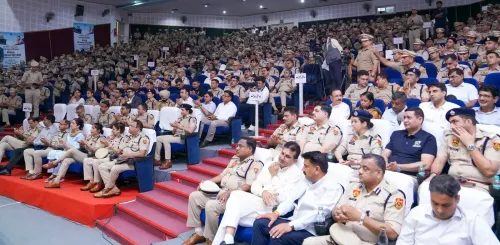
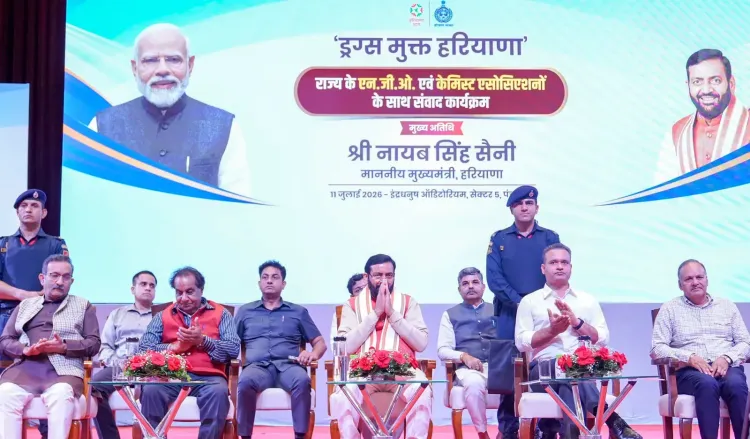
CM Nayab Singh Saini attended the 'State NGO and Chemist Associations Dialogue Programme' in Panchkula on 11 July 2026 .
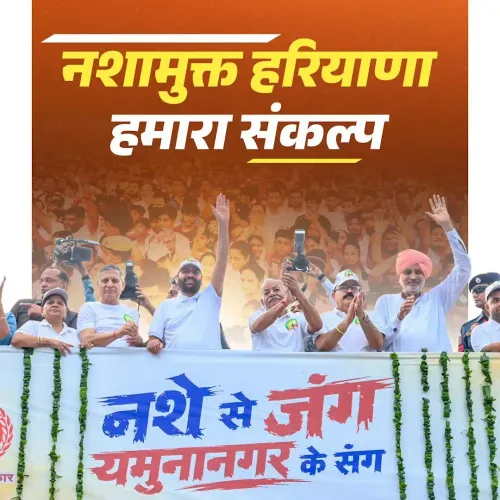
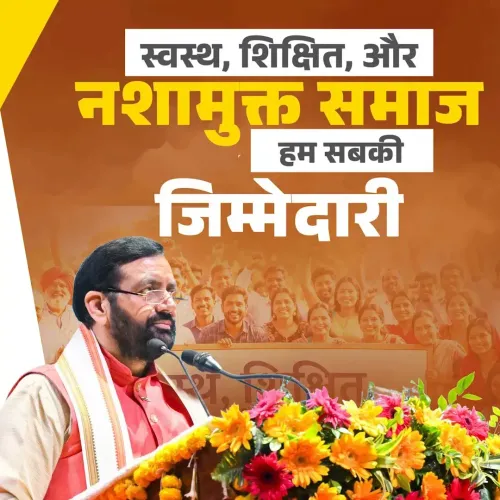
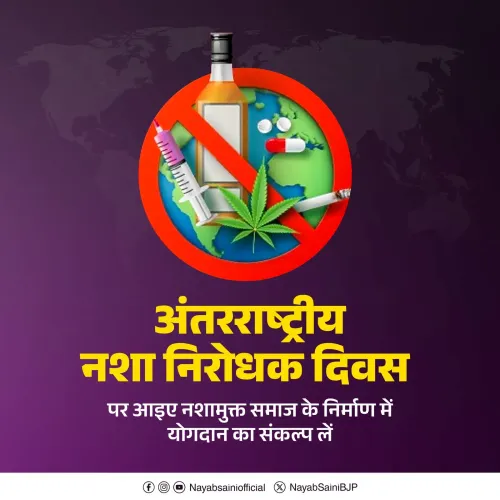
The event was organised under the #DrugsFreeHaryana campaign, which aims to eliminate drug demand through community partnership.
Saini called on individuals to pledge to keep themselves, their families, villages, and cities free from drugs.
The Chief Minister stated the government's goal is to eliminate drug demand , not merely arrest drug sellers.
The initiative aligns with the national Nasha Mukt Bharat Abhiyan launched in 2020 by the Ministry of Social Justice and Empowerment.
Chemist associations are formally engaged as part of a supply-side gatekeeping strategy alongside NGO-led community outreach.
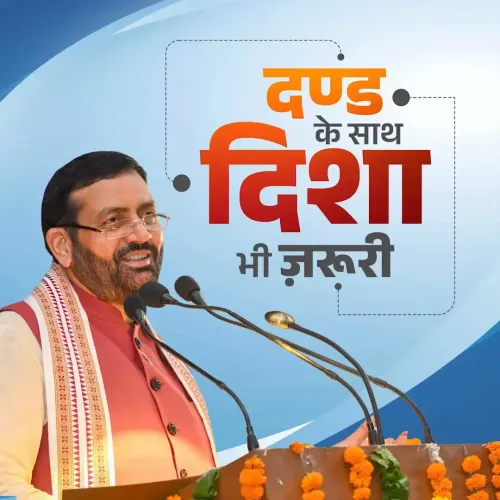
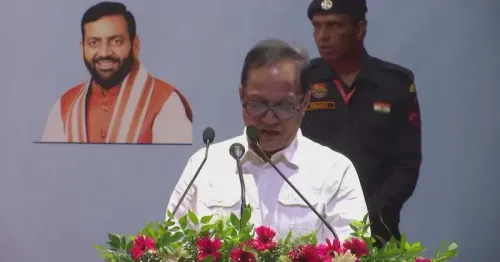
Haryana Chief Minister Nayab Singh Saini on Saturday, 11 July 2026, participated in a state-level dialogue programme with NGOs and chemist associations held in Panchkula, reaffirming the government's commitment to the #DrugsFreeHaryana campaign and calling on society to collectively pledge against substance abuse.
Context
Addressing the gathering, CM Saini called on citizens to take a personal and community-level pledge — 'nasha se door rehne ka sankalp' (a resolve to stay away from drugs) — extending it from individuals to families, villages, neighbourhoods, and cities. He framed drug abuse not as a law-and-order problem alone but as a question of humanity, stating: 'Drug abuse is not merely a subject of law and order but a subject of humanity.'
The Chief Minister underlined that the government's goal is not limited to catching drug sellers but to eliminating demand for drugs altogether. He stressed that only societal partnership can provide a lasting solution to the drug menace.
Policy Backdrop
The DrugsFreeHaryana initiative builds on a broader national framework. The Nasha Mukt Bharat Abhiyan, launched by the Ministry of Social Justice and Empowerment in 2020, mobilised communities across India to treat drug abuse as a public-health and social challenge rather than purely a policing matter. Haryana's BJP-led government has run anti-drug awareness drives since 2019, progressively expanding the scope of outreach.
The involvement of chemist associations alongside NGOs signals a supply-side dimension to the campaign — chemists are key gatekeepers for prescription drug misuse, a growing concern in several north Indian states. This dual-track approach, targeting both demand reduction and responsible dispensing, mirrors strategies adopted in other states under the NDPS Act enforcement framework.
Stakeholders and Impact
Rural youth are the primary demographic at risk, and the programme's community-partnership model is designed to reach them through trusted local institutions — NGOs and neighbourhood chemists — rather than top-down enforcement alone. By bringing these groups into a structured dialogue in Panchkula, the state government is attempting to create a network of civilian watchdogs alongside law-enforcement channels.
For chemist associations, participation signals a formal role in the state's anti-drug architecture — potentially leading to licensing audits and stricter protocols around the sale of habit-forming substances. NGOs are expected to anchor community awareness, de-addiction counselling referrals, and grassroots mobilisation at the district level.
What's Next
Observers will watch for the rollout of district-level de-addiction camps and possible updates to chemist licensing norms in the coming weeks. The next session of the Haryana Legislative Assembly could see budgetary or legislative measures reinforcing the campaign's institutional backbone. CM Saini's visible personal participation in civil-society dialogues suggests the DrugsFreeHaryana drive will remain a flagship welfare priority for the BJP government in the state, with community ownership positioned as its defining feature.
Point of View
CM Saini is signalling a shift from Haryana's earlier enforcement-heavy posture to a demand-suppression model — a politically astute move that broadens accountability beyond the police. The framing of drug abuse as a 'humanitarian' rather than a criminal issue gives the BJP government ideological cover to invest in welfare infrastructure such as de-addiction centres without appearing soft on traffickers. This mirrors a nationwide pattern among BJP-governed states of co-opting civil society into flagship campaigns to demonstrate grassroots reach ahead of electoral cycles. The durability of the DrugsFreeHaryana initiative will ultimately depend on whether the community-partnership rhetoric translates into measurable reductions in first-time drug use among rural youth.
NationPress
10 Oct 2026
Frequently Asked Questions
What is the DrugsFreeHaryana campaign?
DrugsFreeHaryana is a state-level initiative by the Haryana government aimed at eliminating drug abuse by combining law enforcement with community participation from NGOs, chemist associations, and citizens.
What did CM Nayab Singh Saini say at the Panchkula drug dialogue?
CM Saini urged citizens to pledge to stay away from drugs personally and to make their families, villages, and cities drug-free, calling the issue a matter of humanity and stressing that societal partnership is the only lasting solution.
Why are chemist associations involved in Haryana's anti-drug campaign?
Chemists are key gatekeepers for prescription and over-the-counter medicines that are often misused as drugs. Their inclusion in the campaign aims to curb the supply side by promoting responsible dispensing practices.
How does Haryana's DrugsFreeHaryana relate to the national Nasha Mukt Bharat Abhiyan?
DrugsFreeHaryana is aligned with the national Nasha Mukt Bharat Abhiyan launched in 2020, which treats drug abuse as a public-health and social issue requiring community mobilisation alongside enforcement under the NDPS Act.
What are the next steps after the Panchkula NGO-chemist dialogue on drugs?
Likely next steps include district-level de-addiction camps, chemist licensing audits, and possible budgetary or legislative measures in the upcoming Haryana assembly session to institutionalise the DrugsFreeHaryana framework.