CM Saini Urges Haryana Police to Show Humanity in Drug Cases
Synopsis
Haryana Chief Minister Nayab Singh Saini on 18 July 2026 publicly urged state police to approach drug-related cases with human sensitivity — urging officers to see distressed mothers and at-risk youth as people needing help, not just legal subjects — reinforcing the Drugs Free Haryana campaign's rehabilitation strand.
Key Takeaways
CM Nayab Singh Saini posted on 18 July 2026 urging Haryana Police to treat drug-case individuals with compassion alongside legal process.
The appeal specifically mentions poor persons at police stations, mothers seeking help for their sons, and youth searching for rehabilitation.
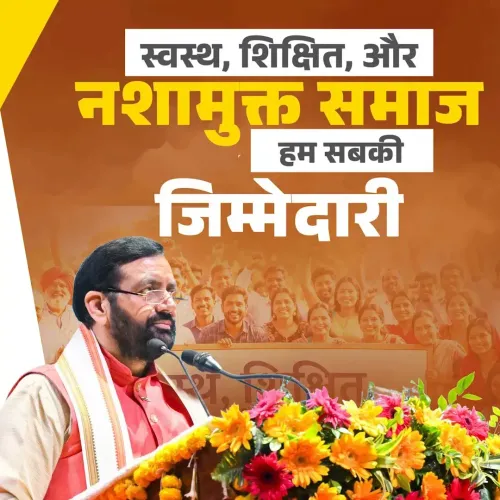
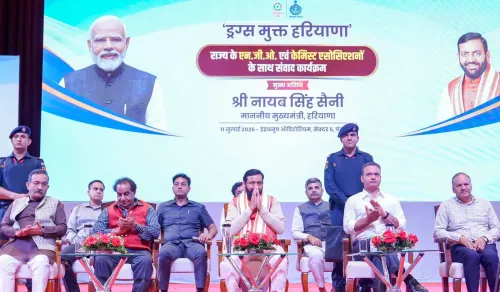
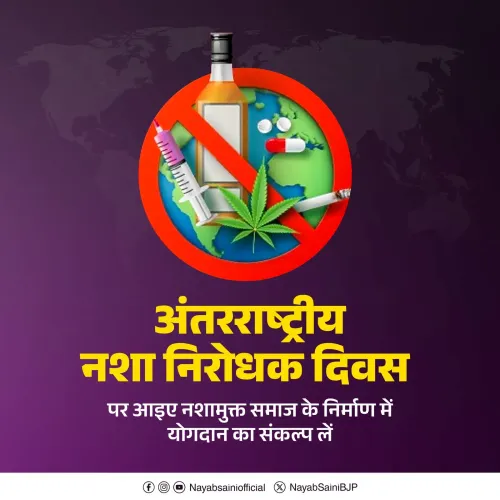
The message is tagged #DrugsFreeHaryana , the state's ongoing multi-pronged anti-narcotics campaign.
The Drugs Free Haryana campaign combines enforcement, de-addiction and awareness, expanded significantly after 2019 .
Haryana's border with Punjab makes it particularly vulnerable to drug trafficking and youth substance abuse.
Follow-up measures such as revised police training modules and new district-level rehabilitation announcements are being watched by observers.
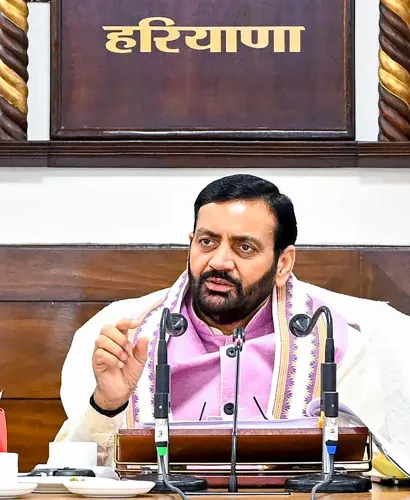
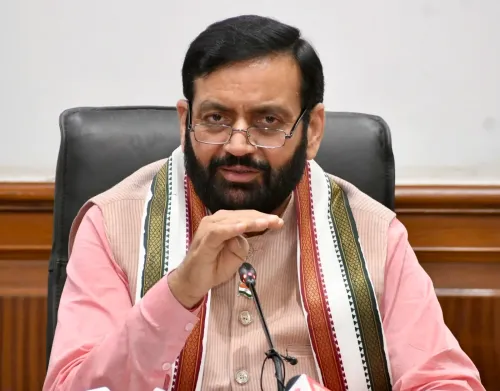
Haryana Chief Minister Nayab Singh Saini on Saturday, 18 July 2026, called on state police officers to view drug-related cases through the lens of human compassion rather than treating them as purely legal matters, directing particular sensitivity toward poor families, distressed mothers, and youth seeking rehabilitation.
Context
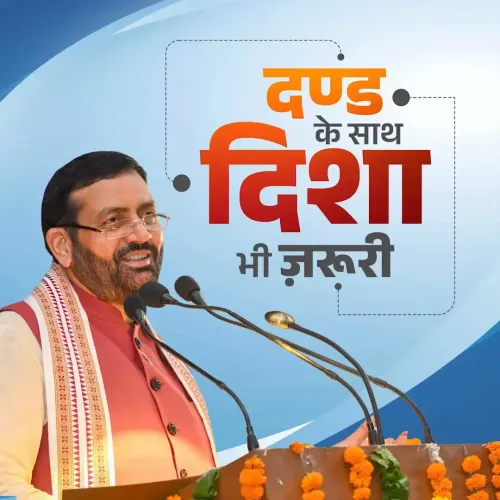
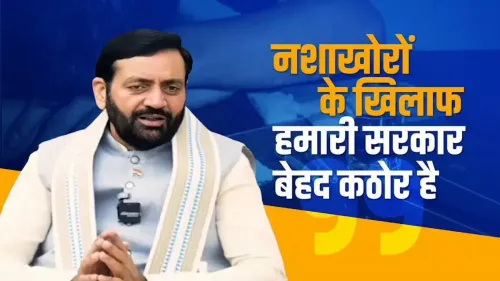
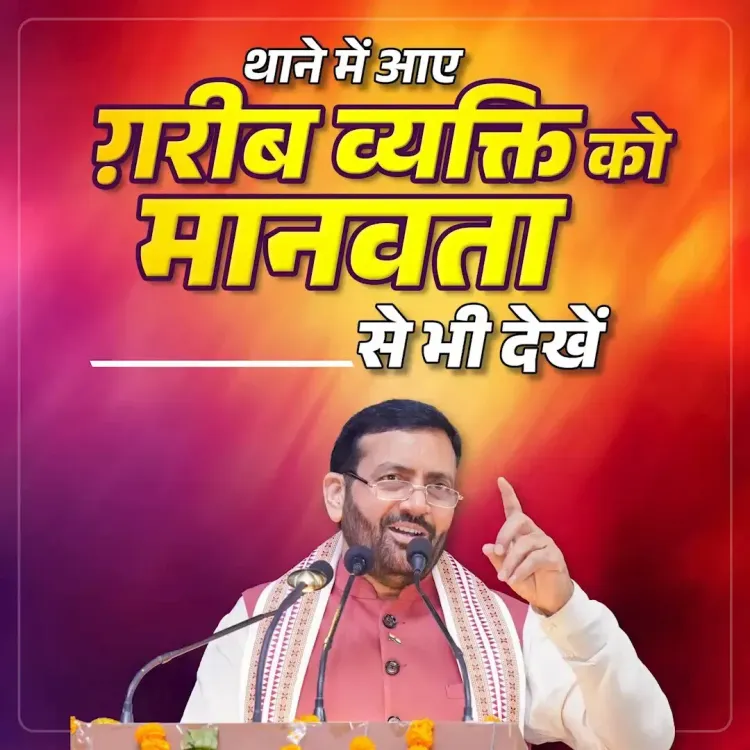
Posting on X under the hashtag #DrugsFreeHaryana, CM Saini wrote: 'When a poor person comes to a police station, when a mother pleads to save her son, or when a young person is searching for the right path — do not look at it only through legal procedure... look at it with human sensitivity.' The message, accompanied by a video, was directed squarely at the police machinery that handles narcotics cases on the ground.
The appeal marks a notable shift in tone from purely enforcement-driven anti-drug messaging, placing the burden of empathy on law-enforcement personnel who are often the first point of contact for families in crisis.
Policy Backdrop
The directive fits within Haryana's ongoing Drugs Free Haryana campaign, a multi-pronged initiative combining enforcement, rehabilitation and public awareness to curb narcotics use across the state. The campaign was significantly expanded after 2019 under the previous BJP administration in Chandigarh, with de-addiction centres added across several districts.
Haryana's geographic position — bordering Punjab, a state long grappling with drug trafficking routes — has made youth substance abuse a persistent socio-economic challenge. The state's enforcement framework operates under the Narcotic Drugs and Psychotropic Substances (NDPS) Act, which carries stringent penalties but also provisions for treatment of addicts.
Similar sensitivity directives have been issued by administrations in other BJP-governed states facing comparable narcotics challenges, reflecting a broader national reframing of anti-drug policy that moves beyond pure criminalisation toward rehabilitation.
Stakeholders and Impact
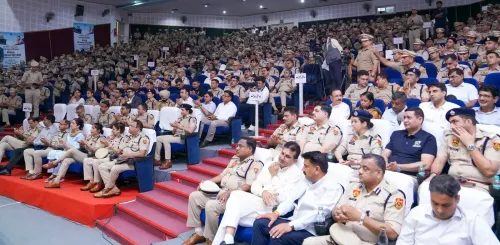
The primary audience for CM Saini's message is the Haryana Police force, whose frontline officers handle intake at police stations where addicts and their families first seek help or are brought in for questioning. For these officers, the Chief Minister's public directive carries administrative weight and signals a cultural shift expected at the station level.
Families of drug-affected youth — particularly mothers navigating a system they find intimidating — stand to benefit most if the directive translates into changed behaviour on the ground. Drug-affected youth themselves, especially those voluntarily seeking help, could find police stations a less adversarial first stop on the road to rehabilitation.
What's Next
The public nature of CM Saini's appeal suggests follow-through measures may be in the pipeline. Observers will watch for revised police training modules that embed victim-sensitivity protocols into anti-narcotics operations, as well as possible district-level rehabilitation announcements tied to the Drugs Free Haryana campaign. Whether the directive translates into formal standing orders for police stations will determine its long-term impact beyond the immediate messaging cycle.
Point of View
Saini is simultaneously signalling to voters, particularly anxious families, that the state administration sees addiction as a social crisis rather than a criminal convenience. This mirrors a broader trend in BJP-governed states of wrapping law-and-order narratives in welfare language to widen electoral appeal among affected households. The real test will be whether the empathy directive gets institutionalised in police training or remains a public-communication moment.
NationPress
18 Jul 2026
Frequently Asked Questions
What did Haryana CM Nayab Singh Saini say about drug cases and police?
CM Saini urged Haryana Police on 18 July 2026 to look at drug-related cases with human sensitivity — especially when poor families, mothers, or youth seeking help approach police stations — rather than viewing them solely through legal procedure.
What is the Drugs Free Haryana campaign?
Drugs Free Haryana is the state government's ongoing initiative combining police enforcement, de-addiction centre expansion and public awareness drives to reduce narcotics use, significantly scaled up after 2019.
Why is drug abuse a major problem in Haryana?
Haryana's location bordering Punjab — a state with well-documented drug trafficking challenges — along with its socio-economic profile makes youth substance abuse a persistent issue that successive state governments have prioritised.
What action is expected after CM Saini's appeal to police on drugs?
Observers are watching for revised police training modules on victim sensitivity in narcotics cases and possible new district-level rehabilitation announcements under the Drugs Free Haryana campaign.
How does Haryana's anti-drug policy balance enforcement and rehabilitation?
The state operates under the NDPS Act for enforcement but has also expanded de-addiction centres and rehabilitation pathways, with CM Saini's latest directive reinforcing the humane, rehabilitation-oriented strand of that dual approach.