Kejriwal joins Sonam Wangchuk rally at Jantar Mantar
Synopsis
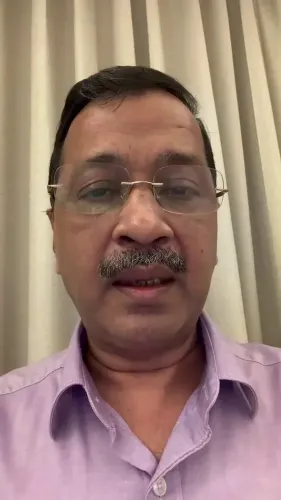
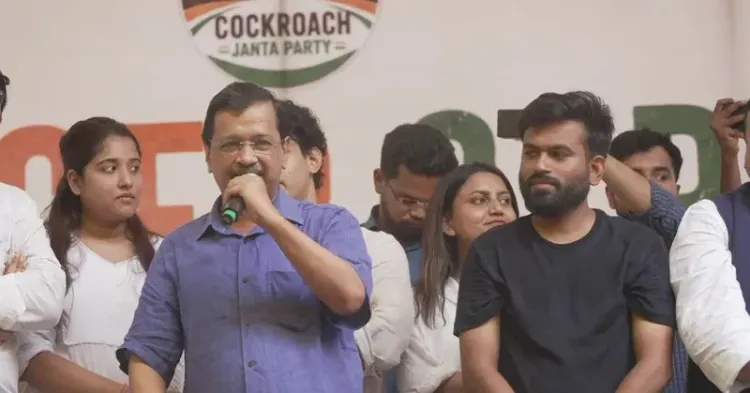
AAP convenor Arvind Kejriwal appeared live at Jantar Mantar on 16 July 2026 to back Ladakhi activist Sonam Wangchuk's long-running campaign for Sixth Schedule status and constitutional protections for Ladakh, streaming the rally directly on X.
Key Takeaways
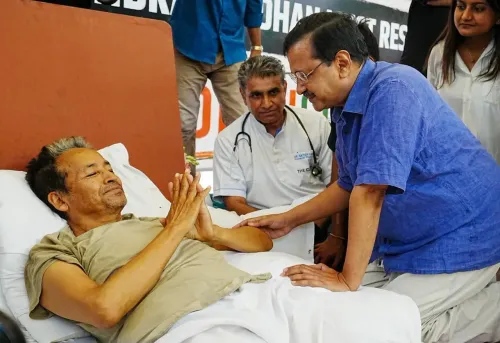
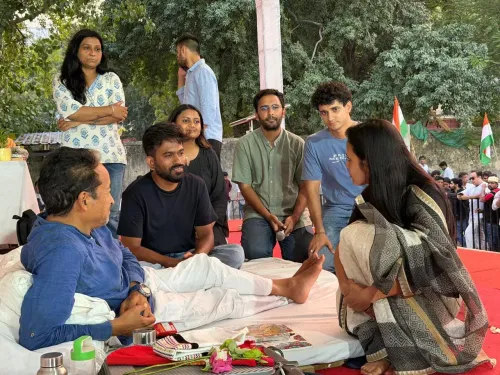
AAP convenor Arvind Kejriwal addressed a solidarity rally at Jantar Mantar, New Delhi on 16 July 2026 in support of Sonam Wangchuk .
Wangchuk has campaigned for Ladakh to be brought under the Sixth Schedule of the Constitution, granting tribal areas greater autonomy.
Ladakh has been a Union Territory without a legislature since the 2019 reorganisation of Jammu and Kashmir .
Kejriwal live-streamed the event on X, extending the protest's reach to a national digital audience.
Talks between Ladakh representatives and the Ministry of Home Affairs on Sixth Schedule demands remain unresolved.
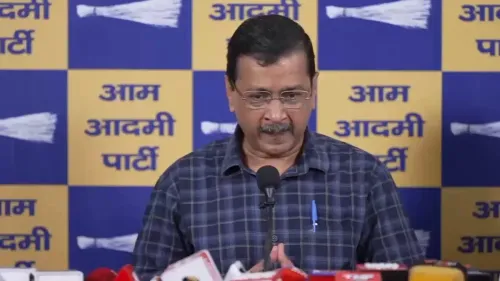
AAP convenor Arvind Kejriwal addressed a live gathering at Jantar Mantar, New Delhi, on 16 July 2026 in solidarity with Ladakhi activist Sonam Wangchuk, opening his remarks with the national salutation Bharat Mata ki Jai ('Victory to Mother India') and streaming the event directly to his followers on X.
Context
Wangchuk, best known internationally for his ice-stupa irrigation innovation in Ladakh, has spent years pressing the central government for constitutional safeguards for the region. His core demands centre on bringing Ladakh under the Sixth Schedule of the Constitution — a provision that grants tribal areas greater legislative and administrative autonomy — and securing local job reservations.
Kejriwal's appearance at Jantar Mantar, the historic protest ground in central Delhi, signals the AAP's continued alignment with federalism-oriented movements and the concerns of hill communities that feel politically marginalised since 2019.
Policy Backdrop
When the government reorganised Jammu and Kashmir in August 2019, Ladakh was carved out as a Union Territory without a legislature, stripping residents of elected representation at the state level. Activists and local leaders have since argued this arrangement leaves Ladakhi land, culture, and employment vulnerable without the constitutional protections afforded to scheduled tribal areas elsewhere in India.
Demands for Sixth Schedule status have been the centrepiece of multiple delegations to New Delhi by Ladakhi representatives, and Wangchuk himself has undertaken hunger strikes and long marches to draw national attention to the cause. The Ministry of Home Affairs has held intermittent talks with Ladakh representatives, but a formal resolution remains pending.
Stakeholders and Impact
Ladakhi residents, particularly from the Leh and Kargil districts, stand at the centre of this dispute. Environmental activists have also rallied behind Wangchuk, arguing that without legislative safeguards, the fragile Himalayan ecosystem of Ladakh is exposed to unchecked commercial exploitation.
Opposition parties, including AAP, have periodically joined these demonstrations to signal solidarity on questions of decentralisation and the rights of border communities. Kejriwal's live broadcast amplifies the protest's reach beyond the physical gathering at Jantar Mantar, drawing in a national digital audience.
What's Next
Attention will now shift to whether Kejriwal's high-profile endorsement accelerates a fresh round of talks between Ladakh representatives and the Ministry of Home Affairs on Sixth Schedule inclusion. Protest organisers are also expected to announce their next steps from Leh, including whether demonstrations in Delhi will continue or expand. The gathering at Jantar Mantar underscores that the question of Ladakh's constitutional status remains an active political fault line, one that opposition voices are increasingly willing to make their own.
Point of View
Tribal rights, and environmental protection — themes with cross-regional appeal. By streaming the rally on X, the party bypasses traditional gatekeepers and speaks directly to a younger, digitally active constituency. The endorsement also keeps pressure on the central government at a moment when Ladakh's administrative status remains a sensitive unresolved question. For AAP, which has historically championed decentralisation, backing Wangchuk costs little politically while signalling ideological consistency on the rights of marginalised communities.
NationPress
15 Oct 2026
Frequently Asked Questions
Why is Sonam Wangchuk protesting at Jantar Mantar?
Sonam Wangchuk has been demanding that Ladakh be brought under the Sixth Schedule of the Constitution, which would grant the region greater legislative autonomy, tribal land protections, and local job reservations — safeguards he argues were lost when Ladakh became a Union Territory without a legislature in 2019.
What is the Sixth Schedule and why does Ladakh want it?
The Sixth Schedule of the Indian Constitution provides special governance arrangements for tribal areas in the north-east and certain hill regions, including autonomous district councils with powers over land, forests, and local administration. Ladakhi leaders argue inclusion would protect indigenous communities and the region's fragile ecosystem from outside exploitation.
Why did Arvind Kejriwal join the Sonam Wangchuk protest?
Kejriwal attended the Jantar Mantar rally on 16 July 2026 to express AAP's solidarity with Wangchuk's campaign for constitutional safeguards for Ladakh, consistent with the party's broader stance in favour of decentralisation and protection of local communities' rights.
What happened to Ladakh's political status after 2019?
In August 2019, the central government reorganised Jammu and Kashmir, creating two separate Union Territories. Ladakh was made a Union Territory without a legislature, meaning residents lost elected representation at the state level, which has been the primary grievance driving the autonomy movement.
What is Jantar Mantar and why is it used for protests?
Jantar Mantar is a historic astronomical observatory in central New Delhi that has long been designated as a permitted protest site. Its proximity to Parliament and government offices makes it a symbolic and logistically convenient location for public demonstrations.