CM Saini Calls for Compassion Alongside Law in Drug Fight
Synopsis
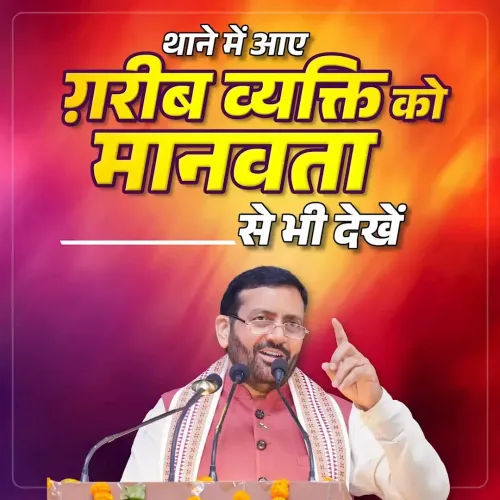
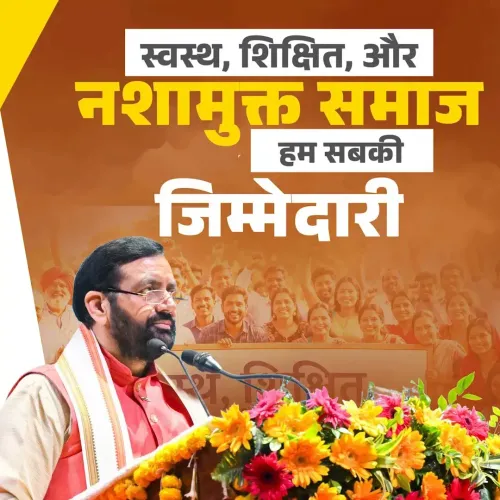
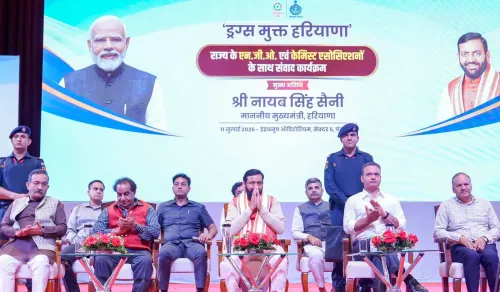
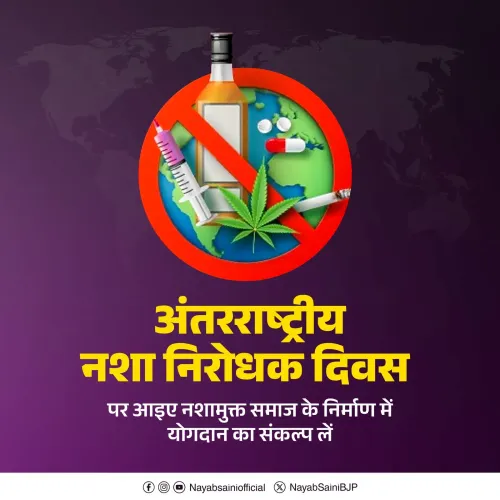
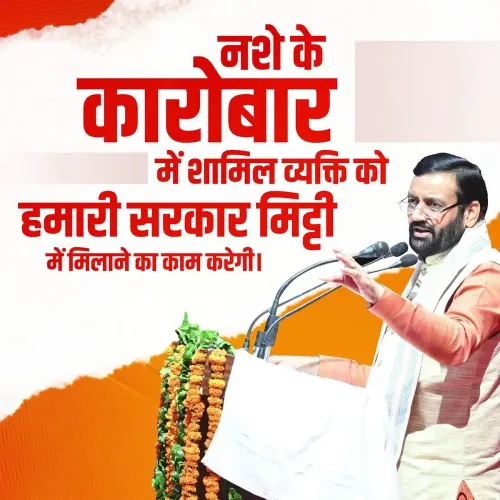
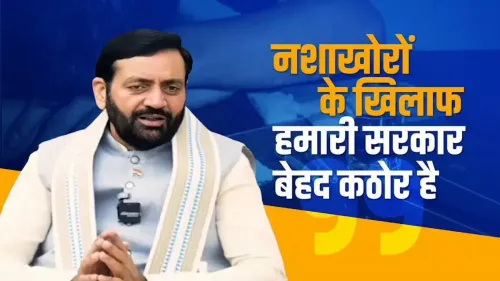
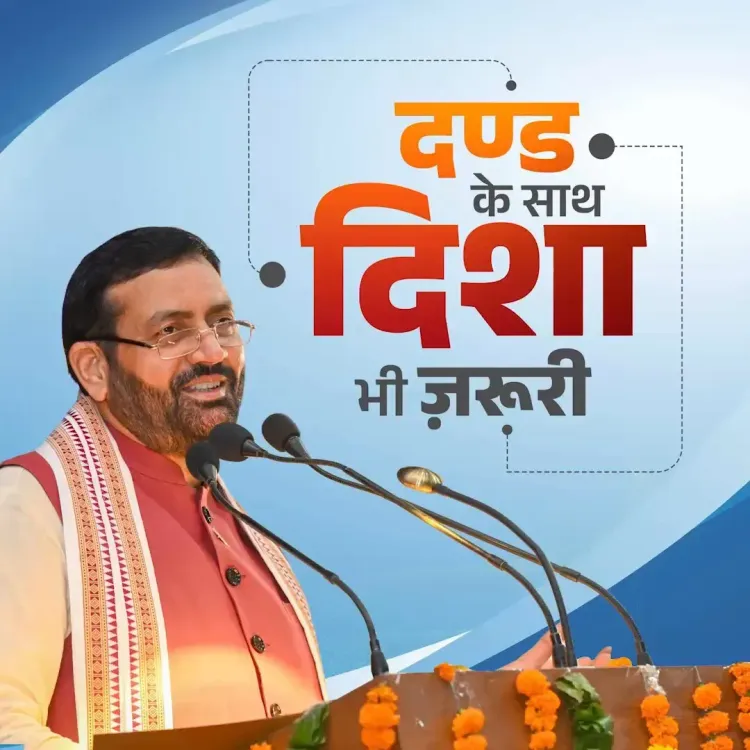
Haryana Chief Minister Nayab Singh Saini on 18 July 2026 called for compassion and directional support alongside legal punishment in the state's anti-narcotics drive, posting under #DrugsFreeHaryana with an accompanying video.
Key Takeaways
Nayab Singh Saini , Haryana Chief Minister, posted on 18 July 2026 under #DrugsFreeHaryana calling for compassion alongside law enforcement.
His Hindi message translates as: 'Compassion is as necessary as law... direction is as necessary as punishment.' Haryana borders Punjab and Delhi , making it a key transit route for synthetic drugs and pharmaceutical opioids.
The post aligns with the Central government's Nasha Mukt Bharat Abhiyan , which pairs enforcement with rehabilitation and counselling.
The post included a video, suggesting a wider campaign rollout may follow under the #DrugsFreeHaryana banner.
Policy watchers are monitoring the next Haryana assembly session for possible new de-addiction infrastructure or narcotics rule amendments.
Haryana Chief Minister Nayab Singh Saini on Saturday, 18 July 2026, underscored the need to pair legal enforcement with rehabilitation in the state's ongoing battle against narcotics, posting a pointed message on X under the hashtag #DrugsFreeHaryana.
In the post, Saini wrote in Hindi: 'क़ानून के साथ करुणा भी जरूरी है... दण्ड के साथ दिशा भी ज़रूरी!' — translated as: 'Compassion is as necessary as law... direction is as necessary as punishment!' The message was accompanied by a video, signalling a deliberate communication push rather than a routine social-media update.
Context
Haryana sits at a geographic crossroads between Punjab and Delhi, making it a transit corridor for synthetic drugs and pharmaceutical opioids. The state has faced persistent pressure from drug-affected families and civil-society groups demanding that anti-narcotics policy go beyond arrest quotas to address the human cost of addiction. Saini, who assumed office in March 2024, has positioned social welfare and law-and-order as twin pillars of his administration.
Policy Backdrop
The Chief Minister's framing aligns with the Central government's Nasha Mukt Bharat Abhiyan, launched in 2020 by the Ministry of Social Justice and Empowerment, which combines awareness drives, counselling and rehabilitation alongside enforcement. Haryana governments have periodically intensified anti-narcotics operations since 2018, focusing on educational institutions and border districts within this national framework.
The dual-track approach — zero tolerance for traffickers, treatment-first for users — has been a hallmark of BJP-led administrations in Haryana, Punjab and Himachal Pradesh through the mid-2010s and into the current decade. Saini's post reinforces that ideological positioning at the state level.
Stakeholders and Impact
The primary beneficiaries of a compassion-centred approach are Haryana's youth and families already caught in cycles of addiction, for whom punitive action alone has historically offered limited relief. Rehabilitation infrastructure — de-addiction centres, counselling networks and community outreach — becomes the operational test of the sentiment expressed in the post.
Enforcement agencies, meanwhile, receive an implicit signal that prosecution of traffickers must continue undiminished even as the state extends a rehabilitative hand to users. Balancing these two imperatives has been the central challenge for narcotics policy across northern India.
What's Next
Observers will watch the next Haryana assembly session for possible amendments to state excise and narcotics rules, as well as any announcement of additional de-addiction centres or expanded counselling programmes. The video attached to the post suggests a broader campaign rollout may be imminent under the #DrugsFreeHaryana banner. Whether the Chief Minister's call for 'direction alongside punishment' translates into measurable policy shifts will be the metric by which this message is ultimately judged.
Point of View
A stance that builds political goodwill with affected families while maintaining a tough-on-traffickers image. The accompanying video suggests this is the opening salvo of a structured campaign rather than a standalone statement. The real test will be whether the compassion rhetoric is matched by measurable expansion of rehabilitation infrastructure in the months ahead.
NationPress
18 Jul 2026
Frequently Asked Questions
What did Haryana CM Nayab Singh Saini say about drugs on 18 July 2026?
CM Saini posted on X that 'compassion is as necessary as law and direction is as necessary as punishment,' calling for a dual approach of enforcement and rehabilitation in Haryana's anti-drug campaign under #DrugsFreeHaryana.
What is the #DrugsFreeHaryana campaign?
#DrugsFreeHaryana is a hashtag used by the Haryana government to promote its anti-narcotics drive, which combines law enforcement against traffickers with awareness, counselling and rehabilitation support for those affected by drug use.
What is Nasha Mukt Bharat Abhiyan and how does it relate to Haryana?
Nasha Mukt Bharat Abhiyan is a Central government campaign launched in 2020 by the Ministry of Social Justice and Empowerment to reduce drug demand through rehabilitation and awareness. Haryana has implemented this framework with periodic anti-narcotics drives since 2018, especially in border districts and educational institutions.
Why is Haryana particularly vulnerable to drug trafficking?
Haryana shares borders with Punjab and Delhi, placing it on a major transit corridor for synthetic drugs and pharmaceutical opioids, which has made drug abuse a persistent social and law-enforcement challenge for successive state governments.
What policy changes could follow CM Saini's anti-drug post?
Observers expect possible announcements of additional de-addiction centres, expanded counselling networks, or amendments to state excise and narcotics rules in the next Haryana assembly session, as the government looks to back its stated compassion-first approach with concrete measures.