Kejriwal praises Sonam Wangchuk in tribute post

Synopsis
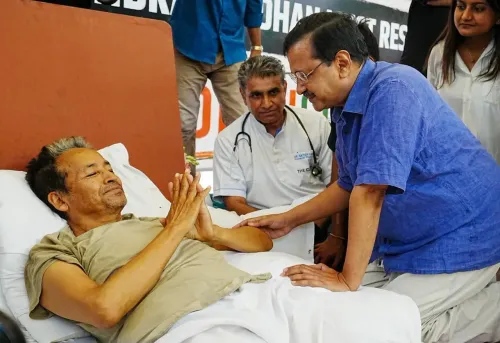
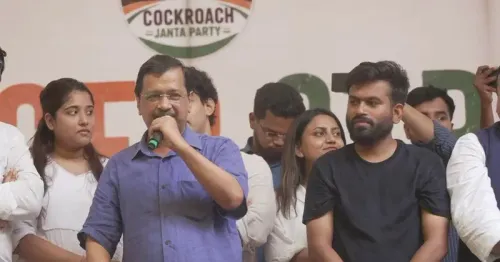
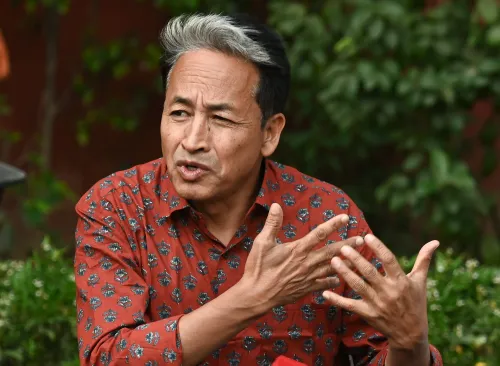
AAP convenor Arvind Kejriwal on 16 July 2026 publicly praised Ladakhi engineer and activist Sonam Wangchuk in a post on X, saying 'We're really very proud of you Sonam ji.' The tribute renews national attention on Wangchuk's environmental work and Ladakh's unresolved demands for Sixth Schedule protections and statehood.
Key Takeaways
Arvind Kejriwal posted a public tribute to Sonam Wangchuk on 16 July 2026 , saying 'We're really very proud of you Sonam ji.' Sonam Wangchuk is a Ladakhi engineer, educator and climate activist known for inventing ice stupas and founding SECMOL .
Between 2023 and 2024 , Wangchuk led protests demanding Ladakh's inclusion under the Sixth Schedule and restoration of statehood.
Ladakh was converted into a Union Territory in August 2019 after the bifurcation of Jammu and Kashmir .
Kejriwal's AAP was founded in 2012 and has historically aligned with civil-society reform movements.
The central government's position on Ladakh's constitutional safeguards remains the key policy variable to watch.
AAP convenor Arvind Kejriwal on Thursday, 16 July 2026, publicly expressed pride in Sonam Wangchuk, the Ladakhi engineer, innovator and climate activist, in a post on X that has drawn attention to the ongoing conversation around Ladakh's constitutional status and environmental advocacy.
Context
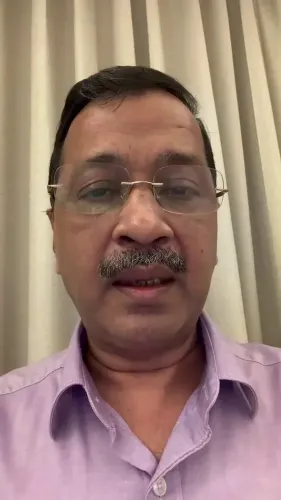
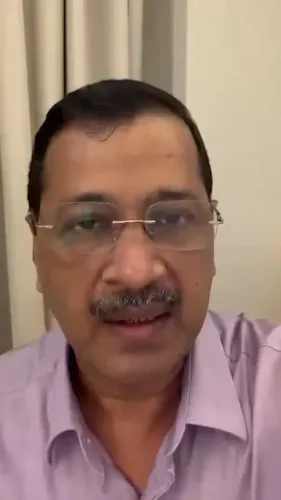
Kejriwal's post — 'We're really very proud of you Sonam ji…' — is a direct, personal tribute to Wangchuk, a figure widely recognised for his grassroots work in education and ecology in the high-altitude Union Territory of Ladakh. The accompanying video shared with the post adds a visual dimension to the acknowledgement, though the specific achievement being celebrated was not elaborated upon in the text.
Wangchuk is best known internationally for pioneering ice stupas — artificial glaciers that provide water to Himalayan communities during dry seasons — and for inspiring educational reforms through the SECMOL (Students' Educational and Cultural Movement of Ladakh) initiative. He has also been a vocal advocate for the rights of Ladakhi people within India's constitutional framework.
Policy Backdrop
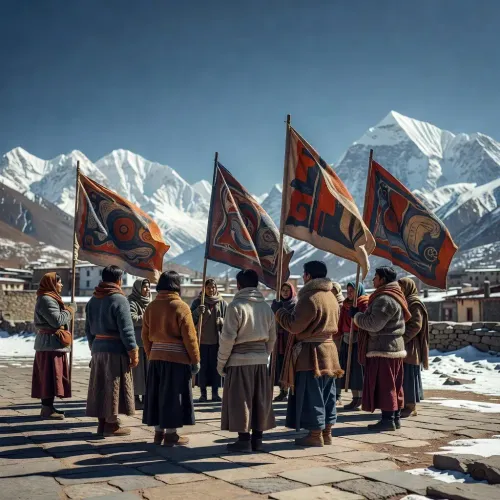
Between 2023 and 2024, Wangchuk led sustained and high-profile protests demanding that Ladakh be brought under the Sixth Schedule of the Constitution, which grants tribal communities greater autonomy over land, resources and governance. He also pressed for restoration of full statehood to Ladakh, which was bifurcated from Jammu and Kashmir and converted into a Union Territory in August 2019.
Those demands remain unresolved at the central government level, making any public expression of solidarity from a national political leader — particularly one from an opposition party — politically significant. Kejriwal's AAP, founded in 2012, has built its identity around governance reform, welfare delivery and anti-corruption positions, and has at times aligned rhetorically with civil-society movements.
Stakeholders and Impact
For Ladakhi communities, recognition from national political figures keeps the spotlight on unresolved questions of administrative autonomy and tribal protections. Environmental activists across India have also rallied around Wangchuk's ecological work, viewing it as a model for climate adaptation in fragile Himalayan ecosystems.
Expressions of this kind from opposition leaders can amplify civil-society voices without necessarily committing to a legislative position, but they contribute to the broader public discourse that shapes how central and territorial administrations respond to long-pending demands.
What's Next
Observers will watch whether Kejriwal's tribute is followed by a more detailed policy statement on Ladakh's constitutional safeguards or on support for Wangchuk's environmental initiatives. Any response from the central government on the Sixth Schedule demand or on Ladakh's statehood question would be the more consequential development to track in the weeks ahead.
Point of View
High-visibility gesture that places AAP on the side of one of India's most prominent civil-society voices on Himalayan ecology and tribal rights. It fits a broader pattern of opposition leaders using social-media solidarity to keep pressure on the central government over Ladakh's unresolved constitutional status without making a binding legislative commitment. The timing — more than two years after Wangchuk's most intense protest phase — suggests the tribute may be tied to a fresh development or achievement in Wangchuk's work, the specifics of which will determine how much political weight the post ultimately carries. If the government remains silent on Sixth Schedule inclusion, such expressions from national leaders risk becoming symbolic rather than substantive.
NationPress
15 Oct 2026
Frequently Asked Questions
Why did Arvind Kejriwal praise Sonam Wangchuk?
Kejriwal posted 'We're really very proud of you Sonam ji' on 16 July 2026, expressing public admiration for Sonam Wangchuk, though he did not specify the exact achievement he was referencing.
Who is Sonam Wangchuk?
Sonam Wangchuk is a Ladakhi engineer, educator and environmental activist best known for inventing ice stupas — artificial glaciers that store winter ice for use in dry seasons — and for his educational reform work through SECMOL in Ladakh.
What did Sonam Wangchuk protest about?
Between 2023 and 2024, Sonam Wangchuk led sustained protests demanding that Ladakh be brought under the Sixth Schedule of the Constitution, granting tribal communities greater autonomy, and that Ladakh's statehood be restored.
What is the Sixth Schedule demand for Ladakh?
The Sixth Schedule of the Indian Constitution provides special protections and self-governance rights to tribal communities. Ladakhi activists including Wangchuk have demanded its extension to Ladakh to protect land rights and local governance after the region became a Union Territory in 2019.
What is AAP's position on Ladakh?
AAP has not announced a formal legislative policy on Ladakh's statehood, but Kejriwal's public tribute to Wangchuk signals rhetorical solidarity with Ladakhi civil-society demands for greater constitutional protections.