Kejriwal calls youth to Jantar Mantar for Ladakh cause
Synopsis
AAP convenor Arvind Kejriwal on 18 July 2026 called citizens to march to Jantar Mantar, backing activist Sonam Wangchuk and youth leader Abhijeet Deepke in their fight for Ladakh's constitutional safeguards, statehood, and protection of local rights.
Key Takeaways
AAP convenor Arvind Kejriwal posted a call to action on 18 July 2026 urging citizens to march to Jantar Mantar in Delhi.
He named Sonam Wangchuk and Abhijeet Deepke as leaders fighting for the future of India's youth.
Ladakh has been a Union Territory without a legislature since the abrogation of Article 370 in 2019 , fuelling demands for Sixth Schedule protections and statehood.
Sonam Wangchuk previously undertook public fasts and marches to Delhi between 2023 and 2024 pressing the same constitutional demands.
Kejriwal's post signals the Aam Aadmi Party's alignment with the Ladakh civil society movement ahead of a planned demonstration.
A formal response from the Ministry of Home Affairs on Ladakh's administrative status remains pending.
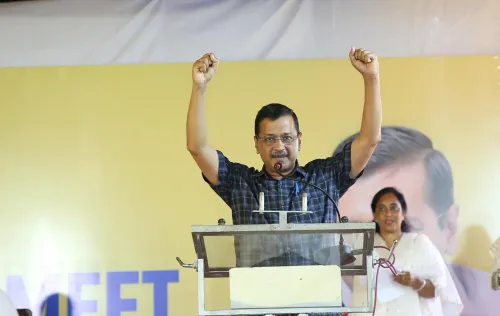
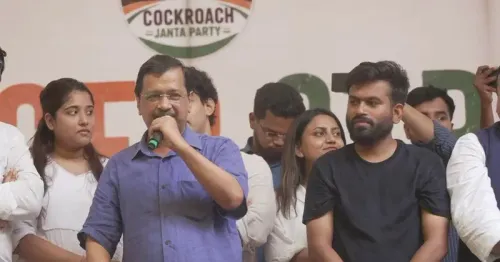
AAP convenor Arvind Kejriwal on Saturday, 18 July 2026, issued a sharp public call to action, urging citizens to take to the streets at Jantar Mantar in support of activist Sonam Wangchuk and youth leader Abhijeet Deepke, who he said are fighting for the future of the country's children.
Context
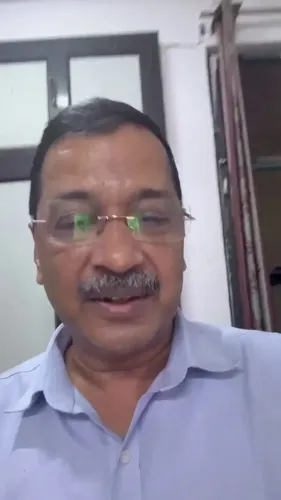
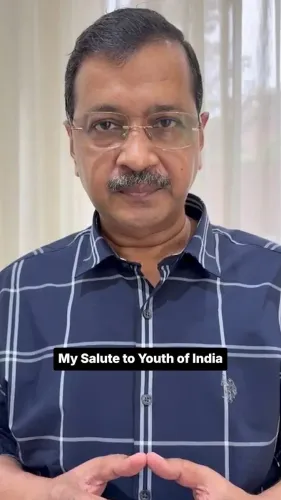
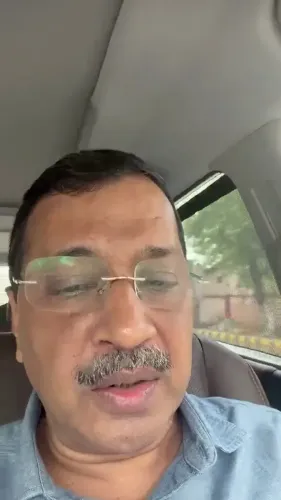
Kejriwal's post, written in Hindi, translates to: 'Aaj Sonam Wangchuk, Abhijit Deepke aur ye saare yuva aapke bacchon ke bhavishya ke liye lad rahe hain' ('Today Sonam Wangchuk, Abhijeet Deepke and all these young people are fighting for the future of your children'). He added that sitting at home will no longer suffice and that everyone must unite and come out on the streets, concluding with a direct call: 'Rise, march to Jantar Mantar.'
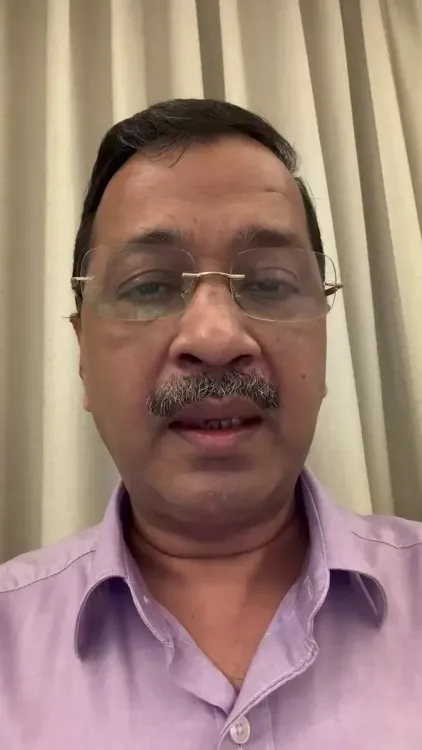
The post was accompanied by a video and reflects Kejriwal's periodic alignment with civil society campaigns beyond his party's core electoral geography. Jantar Mantar, the historic site in central Delhi, has long served as the primary venue for permitted public demonstrations and sit-in protests by regional and civil society movements.
Policy Backdrop
The immediate backdrop is Ladakh's ongoing push for constitutional safeguards following its reorganisation as a Union Territory without a legislature after the abrogation of Article 370 in 2019. Since that change, residents and community leaders have demanded inclusion under the Sixth Schedule of the Constitution, which provides tribal areas with a degree of legislative and administrative autonomy, along with calls for statehood and protection of local jobs and land rights.
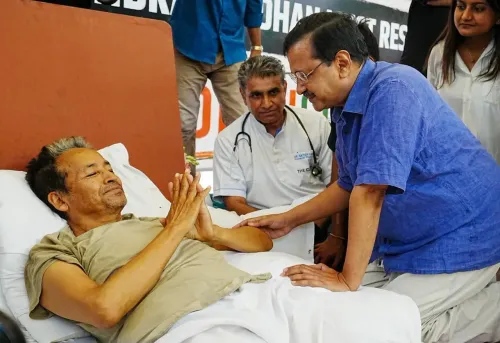
Sonam Wangchuk, the Ladakhi engineer and environmental innovator widely recognised for his work on ice stupas and sustainable mountain ecology, undertook high-profile public fasts and marches to Delhi between 2023 and 2024 pressing these demands. His campaigns drew national attention to Ladakh's administrative limbo and the perceived vulnerability of its fragile ecosystem to unchecked development.
Regional movements in reorganised Union Territories have repeatedly turned to street mobilisation in Delhi when formal legislative channels are unavailable, a pattern that has intensified since 2019. Opposition parties have at times amplified these campaigns to highlight what they describe as an excessive centralisation of administrative power.
Stakeholders and Impact
Ladakhi residents, particularly youth and tribal communities, are the primary stakeholders in the demands being amplified at Jantar Mantar. Their concerns span environmental protection of the high-altitude region, reservation of local jobs, and the right to self-governance through an elected legislature.
Kejriwal's intervention lends the protest national political visibility and connects the Ladakh cause to a broader urban audience. His framing — centring the fight as one for 'your children's future' — is designed to build cross-regional solidarity beyond Ladakh's immediate constituency.
What's Next
Attention will now turn to the scale of turnout at Jantar Mantar and whether Kejriwal or other Aam Aadmi Party leaders join the demonstration in person. Any formal response from the Ministry of Home Affairs on Ladakh's pending demands — for Sixth Schedule status, statehood, or local job protections — will be closely watched as a measure of whether street pressure translates into policy movement.
If the mobilisation draws significant numbers, it could reinforce the political cost of continued administrative silence on Ladakh's constitutional status, a question that has remained unresolved for nearly seven years since the region's reorganisation.
Point of View
Without requiring the party to lead it formally. By centering Sonam Wangchuk — a figure with cross-partisan credibility — Kejriwal positions himself as an amplifier rather than an organiser, lowering political risk while maximising visibility. The framing of the protest as a fight for 'your children's future' is a deliberate attempt to universalise a regional constitutional demand and recruit urban solidarity. If the mobilisation gains momentum, it will test whether street pressure can force a government response on Ladakh's status — a question that has sat unresolved since 2019.
NationPress
17 Oct 2026
Frequently Asked Questions
Why is Arvind Kejriwal calling people to Jantar Mantar?
Kejriwal is calling citizens to Jantar Mantar to support activist Sonam Wangchuk and youth leader Abhijeet Deepke, who are campaigning for Ladakh's constitutional rights, including Sixth Schedule protections and statehood.
Who is Sonam Wangchuk and what is he protesting about?
Sonam Wangchuk is a Ladakhi engineer and environmental innovator who has led campaigns demanding that Ladakh be granted Sixth Schedule constitutional status, an elected legislature, statehood, and protections for local jobs and land after its reorganisation as a Union Territory in 2019.
What is the Sixth Schedule demand for Ladakh?
The Sixth Schedule of the Indian Constitution grants tribal areas a degree of legislative and administrative autonomy. Ladakhi leaders have demanded its extension to the region since its designation as a Union Territory without a legislature following the abrogation of Article 370 in 2019.
What happened to Ladakh after Article 370 was abrogated?
After Article 370 was abrogated in August 2019, Ladakh was separated from Jammu and Kashmir and made a Union Territory without a state legislature, removing the region's direct voice in law-making and triggering sustained demands for autonomy and constitutional safeguards.
What is Jantar Mantar and why is it used for protests?
Jantar Mantar is a historic astronomical monument in central Delhi that has been designated as a permitted protest site. It serves as the primary venue for civil society groups, regional movements, and political demonstrations seeking national attention.