Kejriwal Contrasts AAP's Faith With BJP's Use of Ram, Hanuman
Synopsis
AAP convenor Arvind Kejriwal on 6 July 2026 posted a sharp ideological contrast on X, accusing unnamed rivals of treating Ram and Hanuman as tools for power and money rather than objects of genuine faith, positioning AAP as sincerely devoted to Hindu deities.
Key Takeaways
Kejriwal posted on 6 July 2026 contrasting two ideologies on Hindu faith.
He described AAP's stance as genuine devotion to Lord Ram and Hanuman .
He accused rivals of not recognising Ram and Hanuman as divine and using them for 'power and money'.
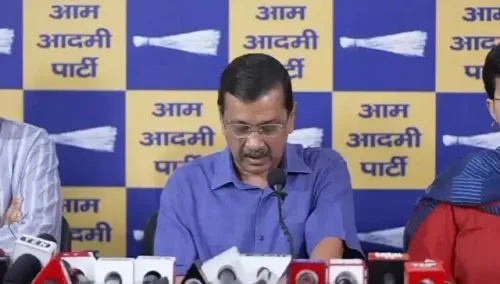
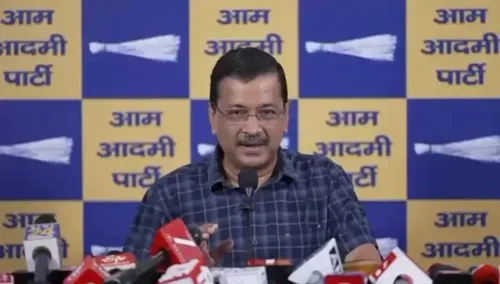
The post accompanied two videos and did not name the rival party explicitly.
The BJP's use of Ram and Hanuman symbolism, including the Ayodhya Ram Mandir consecration in January 2024 , forms the immediate backdrop.
BJP responses and AAP follow-up statements are expected ahead of upcoming electoral events.
AAP convenor Arvind Kejriwal on Monday, 6 July 2026, posted a pointed ideological contrast on X, accusing his political rivals of treating Lord Ram and Lord Hanuman as instruments of power and money rather than objects of genuine devotion. The post, accompanied by two videos, drew a sharp line between what Kejriwal described as sincere Hindu faith and what he called cynical religious instrumentalisation.
Context
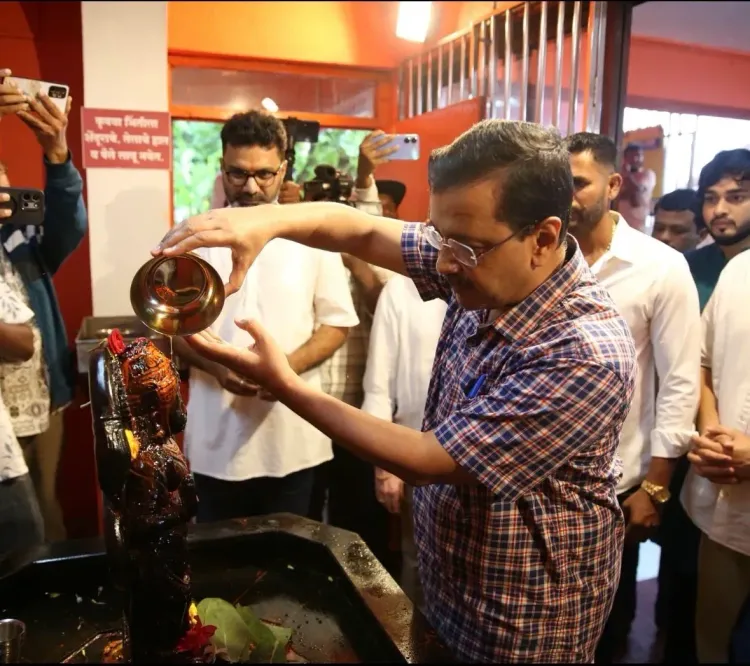
In the post, Kejriwal wrote — 'ये दोनों तस्वीरें हिंदू आस्था के प्रति दो विचारधाराओं की प्रतीक हैं' — translated: 'These two images are symbols of two ideologies regarding Hindu faith.' He described AAP's ideology as one of genuine devotion: 'We are devotees of Lord Ram and Hanuman Ji. We worship them, bow our heads before them, seek their blessings.' He then accused the opposing ideology of not even recognising Ram and Hanuman as divine, stating, 'For them, Ram and Hanuman are merely a means to attain power and money. They have no hesitation in insulting God.'
The unnamed rivals in the post are widely understood in Indian political discourse to be a reference to the Bharatiya Janata Party, which has made Ram and Hanuman symbolism central to its public mobilisation, most visibly during the Ayodhya Ram Mandir consecration in January 2024.
Policy Backdrop
AAP has, since its founding in 2012, navigated a complex relationship with religious symbolism. During the 2013–2014 Delhi election campaigns, Kejriwal and other AAP leaders visited temples to counter perceptions of ideological distance from Hindu voters. The party has since alternated between welfare-centric messaging and selective displays of devotional affinity.
The Ram Mandir inauguration in Ayodhya in January 2024, presided over by Prime Minister Narendra Modi, became a watershed moment in the debate over authentic versus performative Hindu devotion. Opposition parties, including AAP, were notably absent from the event, a decision that generated significant political controversy at the time.
Stakeholders and Impact
Hindu voters — a decisive constituency across Delhi and other states where AAP is active — remain the primary audience for this kind of messaging. By framing the contrast as one of sincere faith versus electoral opportunism, Kejriwal is attempting to reclaim religious credibility for AAP without adopting the BJP's Hindutva framework.
The post fits a broader pattern in Indian electoral discourse where competing parties accuse rivals of hollow religiosity. BJP spokespersons are expected to respond, and the exchange could intensify ahead of any forthcoming state assembly sessions or by-elections on the horizon.
What's Next
Responses from BJP leaders and party spokespersons are anticipated in the coming hours, given the directness of the accusation. AAP has increasingly used social media to set the terms of cultural debate, and this post signals the party's intent to contest the BJP's dominance over Hindu symbolic politics ahead of the next electoral cycle. Whether Kejriwal's framing resonates with undecided Hindu voters or is dismissed as counter-programming will be a key indicator of AAP's evolving cultural strategy.
Point of View
He raises the rhetorical stakes considerably. This fits a longer AAP pattern of seeking cultural legitimacy without fully embracing Hindutva, a narrow path that has yielded mixed results electorally. The post's timing and the use of two contrasting videos suggest a coordinated messaging effort rather than a spontaneous reaction, pointing to a deliberate pre-election cultural positioning by AAP's leadership.
NationPress
5 Oct 2026
Frequently Asked Questions
What did Arvind Kejriwal say about Ram and Hanuman on X?
Kejriwal posted on 6 July 2026 that AAP genuinely worships Lord Ram and Hanuman, while accusing rivals of treating the deities merely as means to gain power and money, and of having no hesitation in insulting God.
Who is Kejriwal targeting in his post about Hindu faith?
Kejriwal did not name any party explicitly, but the accusation is widely understood to be directed at the BJP, which has made Ram and Hanuman symbolism central to its political identity, including the Ayodhya Ram Mandir event in January 2024.
What is AAP's history with Hindu religious symbolism?
AAP leaders, including Kejriwal, have visited temples since the 2013–2014 Delhi campaigns to signal cultural affinity with Hindu voters, while generally maintaining a governance-and-welfare-first public identity.
What is the significance of the Ram Mandir in this debate?
The Ayodhya Ram Mandir consecration in January 2024, presided over by PM Modi, became a flashpoint for debates on authentic versus performative Hindu devotion, especially after opposition parties including AAP were absent from the ceremony.
What is the political impact of Kejriwal's post on Hindu voters?
Hindu voters are a decisive constituency in Delhi and other AAP-active states. By positioning AAP as sincerely devout and rivals as cynical, Kejriwal is attempting to erode the BJP's cultural advantage without adopting Hindutva ideology directly.