Nadda releases ₹75 coin, ₹5 stamp on PMSMA's 10th anniversary
Synopsis
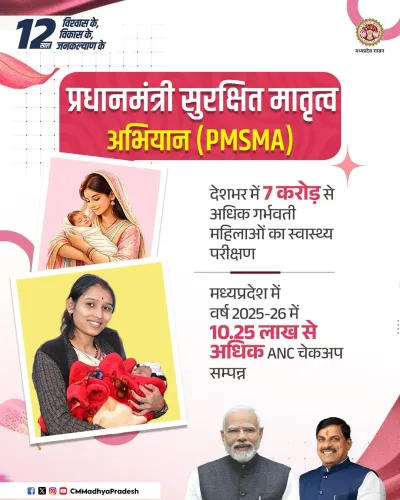
Union Health Minister J. P. Nadda on 9 June 2026 marked ten years of PMSMA by releasing a ₹75 commemorative coin and ₹5 postal stamp, reaffirming India's commitment to quality antenatal care for every pregnant woman and newborn.
Key Takeaways
PMSMA completes 10 years on 9 June 2026 , a decade after its launch under Prime Minister Narendra Modi on 9 June 2016 .
Union Health Minister J.
Nadda released a ₹75 commemorative coin and a ₹5 postal stamp to mark the anniversary.
PMSMA provides fixed-day comprehensive antenatal check-ups on the ninth of every month through government facilities.
ASHA workers and ANMs were specifically credited by Nadda for driving the scheme's success at the grassroots level.
The scheme operates under the National Health Mission framework alongside Janani Suraksha Yojana and other maternal health programmes launched since 2005.
The government reaffirmed commitment to integrating maternal healthcare with broader initiatives such as Ayushman Bharat for expanded coverage.
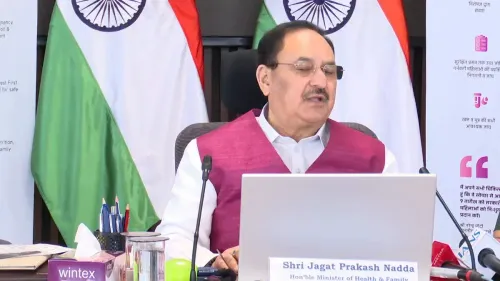
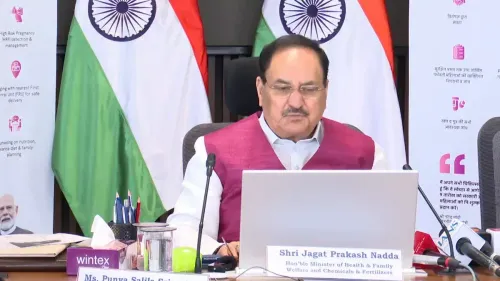
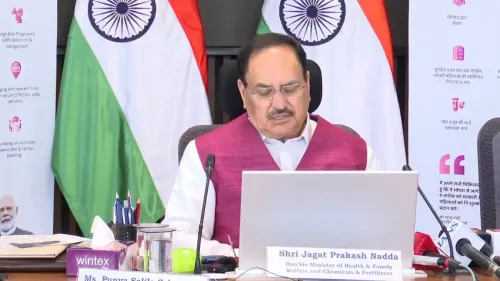
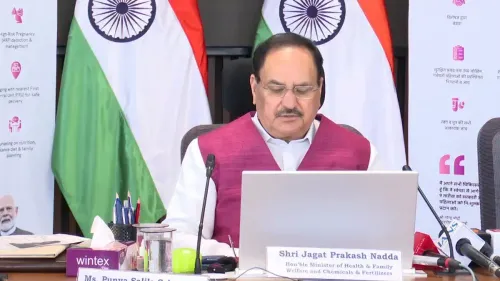
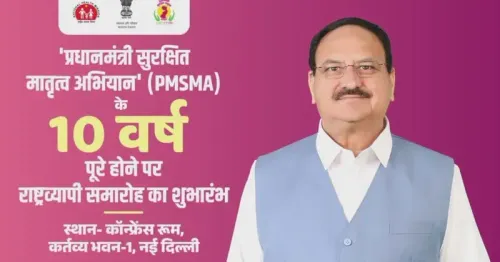
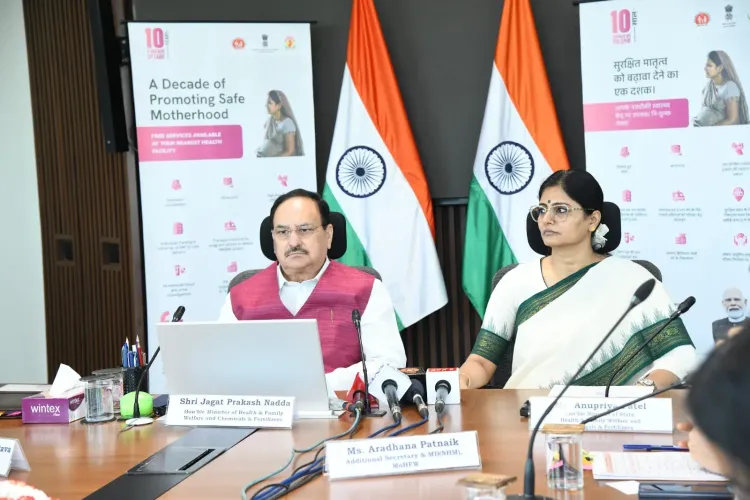
Union Health Minister J. P. Nadda on Tuesday, 9 June 2026 marked the tenth anniversary of the Pradhan Mantri Surakshit Matritva Abhiyan (PMSMA) by releasing a ₹75 commemorative coin and a ₹5 postal stamp, reaffirming the government's commitment to strengthening maternal healthcare across India.
Context
Nadda credited the scheme's decade-long progress to the 'visionary leadership of Prime Minister Narendra Modi,' who launched PMSMA on 9 June 2016 with the aim of ensuring every pregnant woman receives quality antenatal care and a safe delivery. The minister acknowledged the frontline workforce — doctors, specialists, nurses, Accredited Social Health Activists (ASHAs), and Auxiliary Nurse Midwives (ANMs) — as central to the abhiyan's success, calling their continued efforts the backbone of this 'transformative journey.'
Policy Backdrop
PMSMA was designed to guarantee at least four comprehensive antenatal check-ups for every pregnant woman, delivered through government facilities on the ninth of every month. It sits within the broader National Health Mission framework, which has progressively expanded access to maternal services since the launch of the Janani Suraksha Yojana in 2005 and the National Rural Health Mission in the same year. The scheme places particular emphasis on identifying and managing high-risk pregnancies by routing them to secondary and tertiary facilities with specialist involvement.
The Ministry of Health and Family Welfare serves as the nodal agency for PMSMA's design, funding, and monitoring. Over a decade, the abhiyan has been integrated with state-level outreach camps and linked to measurable reductions in India's maternal mortality ratio and infant mortality rate, as tracked through periodic Sample Registration System bulletins.
Stakeholders and Impact
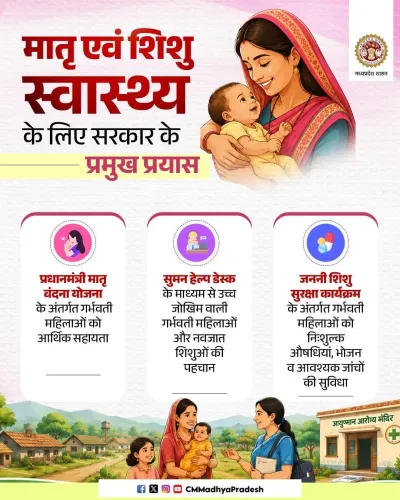
The primary beneficiaries of PMSMA are pregnant women and newborns, particularly in rural and underserved areas where access to specialist antenatal care has historically been limited. ASHA workers and ANMs have been instrumental in mobilising women for monthly check-up camps, registering beneficiaries, and ensuring follow-up care — roles that Nadda specifically highlighted in his post. The scheme's reach has grown to cover crores of antenatal visits since its inception, with the health ministry periodically reporting improvements in institutional delivery rates and maternal health outcomes.
The release of the commemorative coin and postal stamp signals the government's intent to mark PMSMA's milestone publicly, elevating the programme's visibility and reinforcing political commitment to maternal health at the national level.
What's Next
Analysts and health policy observers will watch for the release of the latest Sample Registration System data on India's maternal mortality ratio, which would provide a statistical baseline to assess PMSMA's decade-long impact. There is also growing discussion around integrating PMSMA services with Ayushman Bharat Health and Wellness Centres at the state level, which could expand the programme's reach and service quality in the years ahead. Nadda closed with a call to 'join hands to build a healthier and stronger India,' signalling that the abhiyan's next phase will focus on timely, accessible, and quality care for every mother and newborn across the country.
Point of View
With fresh Sample Registration System figures expected. By personally releasing a commemorative coin and stamp, Nadda elevates a vertical health scheme into a visible political statement about a decade of governance under Modi. The explicit acknowledgement of ASHAs and ANMs is also strategically significant: frontline health workers have been a recurring pressure point in labour and health policy debates, and public recognition serves to shore up goodwill within that constituency. Longer term, the call to integrate PMSMA outcomes with Ayushman Bharat's infrastructure suggests the government is positioning maternal health as a centrepiece of its second-decade health agenda.
NationPress
13 Sept 2026
Frequently Asked Questions
What is Pradhan Mantri Surakshit Matritva Abhiyan (PMSMA)?
PMSMA is a central government scheme launched on 9 June 2016 that guarantees comprehensive antenatal check-ups to pregnant women on the ninth of every month at government health facilities, with a focus on identifying and managing high-risk pregnancies.
Why did JP Nadda release a ₹75 coin and ₹5 stamp?
Union Health Minister J. P. Nadda released a ₹75 commemorative coin and a ₹5 postal stamp on 9 June 2026 to mark the tenth anniversary of PMSMA and to publicly celebrate a decade of the maternal health scheme.
When was PMSMA launched and by whom?
PMSMA was launched on 9 June 2016 by the government led by Prime Minister Narendra Modi, with the Ministry of Health and Family Welfare as the nodal implementing agency.
What is the role of ASHA workers in PMSMA?
ASHA workers are community-based health volunteers who mobilise pregnant women for monthly antenatal camps, register beneficiaries, and ensure follow-up care under PMSMA — a role specifically acknowledged by Minister Nadda on the scheme's tenth anniversary.
How has India's maternal health improved under PMSMA?
PMSMA has contributed to improvements in institutional delivery rates and maternal health outcomes over the decade, tracked through Sample Registration System bulletins, though the latest post-2023 figures are yet to be officially released.