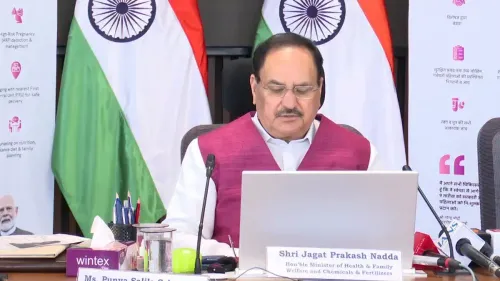
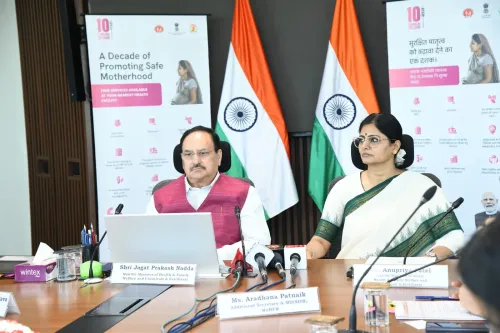
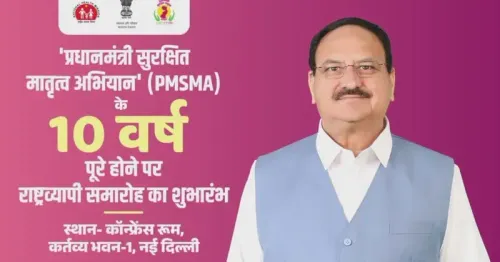
PMSMA turns 10: Health Ministry launches nationwide maternal care celebrations
Synopsis
A decade after its June 2016 launch, PMSMA has reshaped how millions of Indian women access antenatal care — and the government is marking the milestone with a ₹75 commemorative coin, a ₹5 postal stamp, and a nationwide outreach push. The real story is whether the anniversary translates into measurable gains for high-risk pregnancies still slipping through the cracks.
Key Takeaways
The Ministry of Health and Family Welfare is celebrating 10 years of PMSMA , which has been operational since 9 June 2016 .
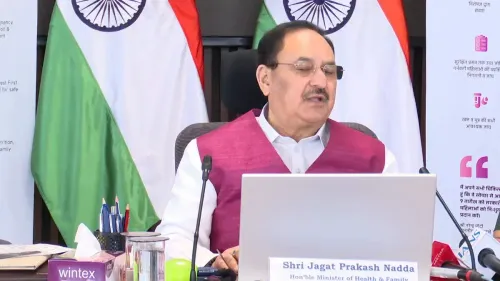
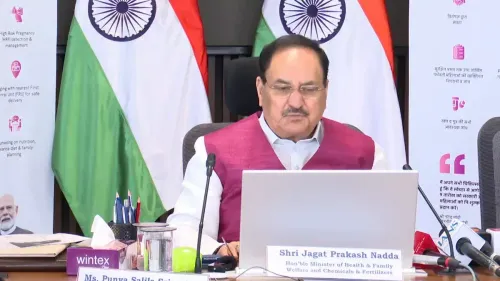
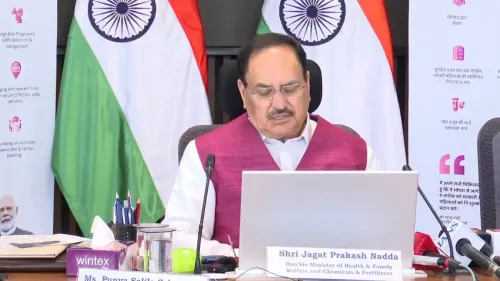
Union Health Minister JP Nadda will preside over the inaugural ceremony and release a ₹75 Commemorative Coin and a ₹5 Postal Stamp .
Awareness and outreach activities begin Tuesday across all states and Union Territories to promote the nine assured free antenatal services .
The extended PMSMA strategy provides financial incentives and three additional ASHA visits for identified high-risk pregnant women .
Complementary programmes — LaQshya , SUMAN , and JSSK — collectively aim to eliminate preventable maternal and newborn deaths at public health facilities.
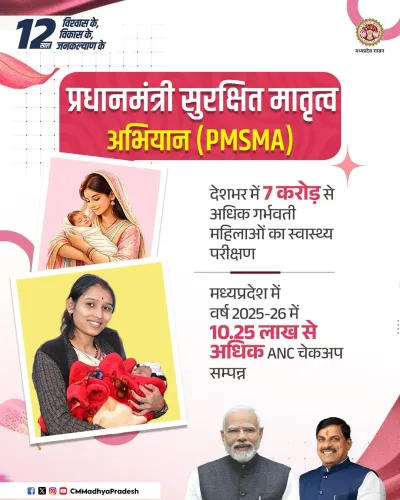
The Ministry of Health and Family Welfare on Monday, 8 June announced nationwide celebrations marking 10 years of the Pradhan Mantri Surakshit Matritva Abhiyan (PMSMA), India's flagship programme for free, quality antenatal care. The commemorative events, beginning Tuesday, will span all states and Union Territories with awareness and outreach drives aimed at encouraging pregnant women to access the nine assured free services under the scheme.
Inaugural Ceremony and Commemorative Releases
Union Health Minister JP Nadda will preside over the inaugural ceremony. On the occasion, a special ₹75 Commemorative Coin and a ₹5 Postal Stamp will be released in honour of a decade of the scheme's contributions to maternal and neonatal health in India.
What PMSMA Offers
Operational since 9 June 2016, PMSMA provides free, comprehensive Antenatal Care (ANC) services to pregnant women on the 9th of every month at government health facilities across the country. The programme has been credited with transforming India's maternal and neonatal healthcare ecosystem by bringing quality care to women who might otherwise go without.
The extended PMSMA strategy places special focus on high-risk pregnant (HRP) women, providing financial incentivisation and individual tracking until safe delivery is achieved. Accredited Social Health Activists (ASHAs) accompanying HRP women receive support for three additional visits beyond the standard PMSMA visit.
Complementary Maternal Health Programmes
PMSMA operates alongside a cluster of complementary government initiatives. 'LaQshya' targets quality improvement in labour rooms and maternity operation theatres, ensuring respectful and safe care during delivery and the immediate post-partum period. Surakshit Matritva Aashwasan (SUMAN) guarantees dignified, cost-free healthcare at public facilities with zero tolerance for denial of services to pregnant women and newborns. Janani Shishu Suraksha Karyakram (JSSK) entitles all pregnant women delivering in public health institutions to completely free delivery, including caesarean sections.
Why the Milestone Matters
India has historically struggled with high maternal and infant mortality rates, particularly in rural and underserved areas. The decade-long run of PMSMA represents a sustained institutional commitment to closing that gap. This comes amid broader government efforts to strengthen primary healthcare infrastructure under the National Health Mission. The celebrations are intended not only to mark the anniversary but to reinvigorate community outreach and drive uptake of antenatal services ahead of the monsoon season, when access to care often becomes more difficult in remote regions.
Detailed programme schedules and state-level activities are expected to be announced in the coming days as the ministry rolls out its week-long commemoration.
Point of View
Yet it remains the least visible in official communications. The release of a commemorative coin and postal stamp signals political ownership of the programme, which matters for budget continuity; what would matter more is a public audit of how many high-risk pregnancies were tracked to safe delivery versus lost to follow-up. Without that data, the decade milestone risks becoming a branding exercise rather than a reckoning.
NationPress
21 Sept 2026
Frequently Asked Questions
What is the Pradhan Mantri Surakshit Matritva Abhiyan (PMSMA)?
PMSMA is a Government of India programme launched on 9 June 2016 that provides free, comprehensive antenatal care to pregnant women at public health facilities on the 9th of every month. It offers nine assured services and has a special focus on identifying and tracking high-risk pregnancies.
How is the 10th anniversary of PMSMA being celebrated?
The Ministry of Health and Family Welfare is organising nationwide awareness and outreach activities starting Tuesday across all states and Union Territories. Union Health Minister JP Nadda will preside over the inaugural ceremony and release a ₹75 Commemorative Coin and a ₹5 Postal Stamp.
What support does PMSMA provide for high-risk pregnant women?
The extended PMSMA strategy offers financial incentivisation for identified high-risk pregnant women and arranges three additional ASHA-accompanied visits beyond the standard monthly PMSMA visit, with individual tracking continuing until a safe delivery is achieved.
What other government schemes complement PMSMA?
PMSMA works alongside LaQshya, which improves care quality in labour rooms and operation theatres; SUMAN, which guarantees dignified and free care at public facilities with zero tolerance for denial of services; and JSSK, which entitles all pregnant women in public institutions to completely free delivery, including caesarean sections.
Who is affected by PMSMA and where is it available?
PMSMA is available to all pregnant women across India at government health facilities. The programme is active in all states and Union Territories, with a particular emphasis on reaching underserved and rural populations who lack access to private healthcare.