Celebrating India's Remarkable Immunization Achievements
Synopsis
India's immunization program stands as a model of success, having eradicated diseases like smallpox and polio. With ambitious goals like the HPV vaccination for cervical cancer prevention, this journey of public health is both inspiring and vital for future generations.
Key Takeaways
India has successfully eradicated smallpox, polio, and neonatal tetanus.
The Universal Immunisation Programme reaches millions of women and newborns annually.
Immunization coverage has significantly increased in recent years.
New vaccines are regularly integrated into the immunization schedule.
The HPV vaccination campaign aims to protect girls from cervical cancer.
New Delhi, March 17 (NationPress) — From the successful eradication of smallpox in 1977 to the elimination of polio and neonatal tetanus, the administration of 200 crore COVID-19 vaccine doses, and the ongoing efforts to eliminate Measles-Rubella, India’s immunisation journey is marked by exceptional, milestone-by-milestone accomplishments, as highlighted in an official fact-sheet released on Tuesday.
India has achieved significant milestones in public health through vaccination, having successfully eradicated smallpox, polio, and maternal and neonatal tetanus. The country is now expanding its immunisation initiatives, recently introducing HPV and indigenous Td vaccines as of 2026.
The robust Universal Immunisation Programme (UIP) in India is one of the largest globally, supported by a comprehensive network of publicly funded healthcare facilities, skilled workers, and a strong cold-chain infrastructure. This effective digital network has consistently delivered impressive results.
According to the fact-sheet, “The UIP reaches 2.9 crore pregnant women and 2.54 crore newborns annually at no cost. Full immunisation coverage has surged from 62% in 2015 to an impressive 98.4% as of January 2026.”
The proportion of zero-dose children in relation to the total population has decreased from 0.11% in 2023 to 0.06% in 2024.
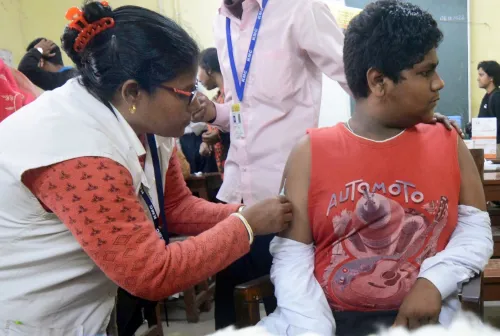
Over the past decade, several new vaccines have been integrated into the programme, including the Inactivated Polio Vaccine (IPV) in 2015, Rotavirus Vaccine (RVV) in 2016, Measles-Rubella (MR) vaccine in 2017, and Pneumococcal Conjugate Vaccine (PCV) in 2017.
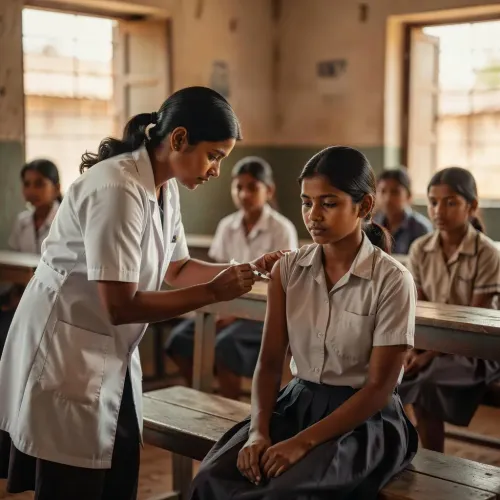
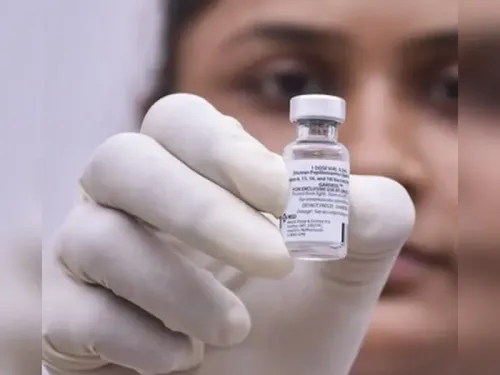
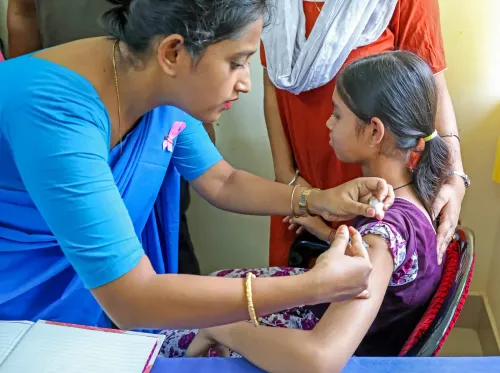
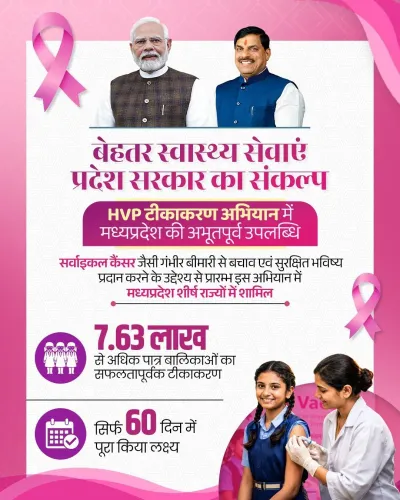
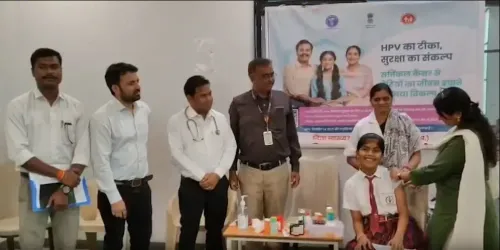
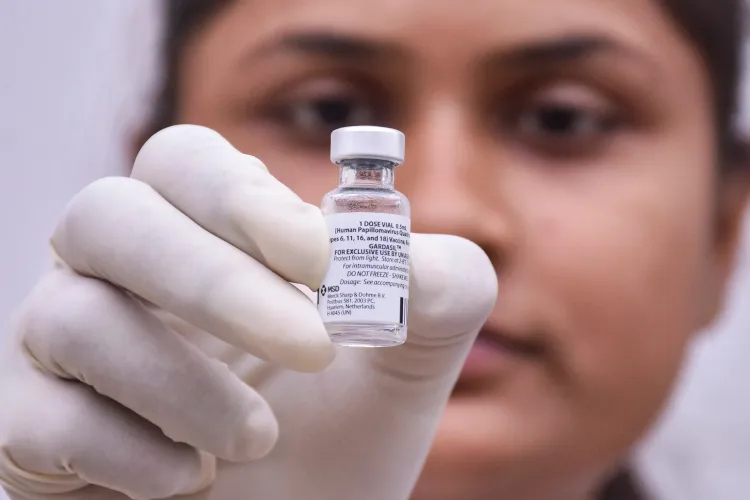
A nationwide campaign for Human Papillomavirus (HPV) vaccination was initiated on February 28, 2026, launched by Prime Minister Narendra Modi in Ajmer, Rajasthan. This campaign aims to protect 14-year-old girls from cervical cancer, with approximately 1.15 crore girls across India expected to receive the vaccine free of charge at government health facilities.
India boasts one of the world's largest vaccine cold chains, encompassing nearly 30,000 cold chain points, from national Government Medical Supply Depots to Primary Health Centres at the sub-district level.
The statement noted that these storage facilities at hospitals, community health centres, and other health setups are equipped with over 1.06 lakh ice-lined refrigerators and deep freezers, along with 432 walk-in coolers and freezers for bulk vaccine storage.
Conducting more than 1.3 crore immunisation sessions annually within this extensive network, ensuring temperature integrity at every stage is vital for guaranteeing that vaccines reach every beneficiary in optimal condition, the statement concluded.
Point of View
It is imperative to recognize the significant strides India has made in immunization. The nation's extensive efforts in eradicating severe diseases and expanding its vaccination programs reflect a commitment to public health that sets a precedent for global healthcare initiatives.
NationPress
29 Sept 2026
Frequently Asked Questions
What major diseases has India eradicated through vaccination?
India has successfully eradicated smallpox, polio, and maternal and neonatal tetanus through its extensive vaccination efforts.
What is the Universal Immunisation Programme (UIP)?
The UIP is one of the largest immunization programs in the world, providing free vaccines to millions of pregnant women and newborns each year.
When was the HPV vaccination campaign launched?
The nationwide HPV vaccination campaign was launched on February 28, 2026, targeting 14-year-old girls across India.
How has immunization coverage changed in recent years?
Fully immunization coverage in India has increased from 62% in 2015 to 98.4% as of January 2026.
What infrastructure supports India's vaccination efforts?
India has a vast cold chain infrastructure with approximately 30,000 points, ensuring the proper storage and transport of vaccines.