How Can HPV Vaccination and DNA-Based Screening Help Combat Cervical Cancer in India?
Synopsis
India stands at a pivotal juncture in the fight against cervical cancer, with experts emphasizing the critical role of HPV vaccination and DNA-based screening. The recent summit held by AIIMS aims to enhance access and implementation strategies, ensuring every woman receives timely care. This comprehensive initiative brings together various stakeholders to create actionable pathways for elimination.
Key Takeaways
HPV vaccination is essential for preventing cervical cancer.
DNA-based screening facilitates early detection and treatment.
Multi-stakeholder collaboration is necessary for effective implementation.
Standardized procedures are important for equitable care.
Public awareness is crucial for increasing vaccination rates.
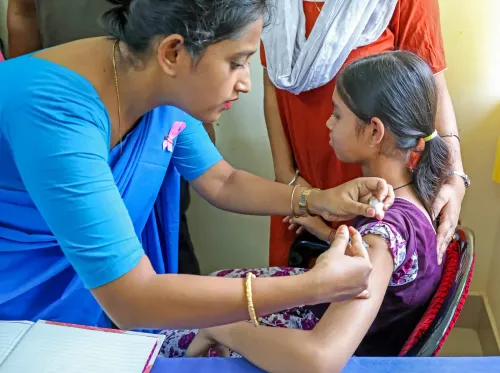
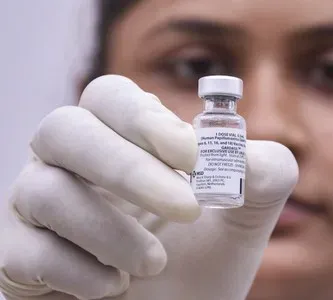
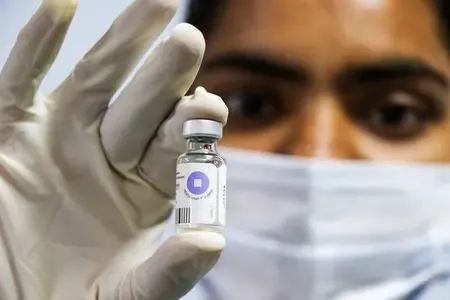
New Delhi, Jan 17 (NationPress) Vaccination against Human Papillomavirus (HPV) and enhancing access to DNA-based screening are vital steps towards the elimination of cervical cancer in India, stated officials from the Health Ministry on Saturday.
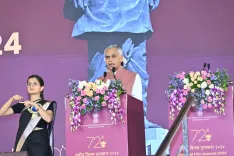
The officials spoke at India’s first national summit organized by AIIMS to promote the cervical cancer elimination initiative.
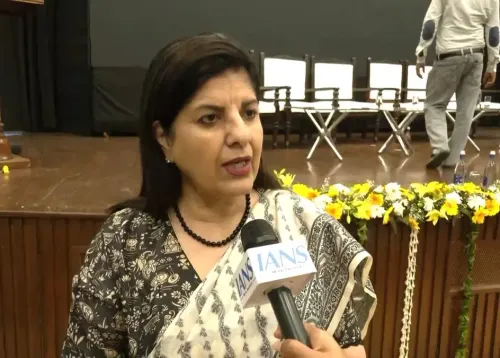
Aradhana Patnaik, Additional Secretary and Managing Director of the National Health Mission (NHM), Ministry of Health and Family Welfare, reiterated the government's steadfast commitment to eradicating cervical cancer as a significant public health concern.
“Eliminating cervical cancer is a reachable objective for India, and we are dedicated to fast-tracking efforts in prevention, screening, and treatment,” Patnaik declared.
“Our emphasis is on swiftly expanding HPV vaccination and enhancing screening at all levels—especially through advanced methods like HPV DNA testing—to guarantee that every woman receives timely diagnosis and treatment. By establishing robust systems, clear operational protocols, and ongoing collaborations among states and stakeholders, we can turn the vision of cervical cancer elimination into reality, thereby protecting the health of millions of women nationwide,” she elaborated.
Prof Dr V.K. Paul, Member (Health) at NITI Aayog, expressed that “India holds a historic chance to eradicate cervical cancer, but this requires urgency, widespread implementation, and cohesive system alignment.”
He emphasized the necessity for evidence-based execution models.
“We need to launch pilot initiatives that showcase how HPV DNA-based screening and self-sampling can be scaled, particularly within primary healthcare systems. These findings will aid India in formulating a national model that guarantees timely screening, precise diagnostics, and seamless follow-up for women everywhere,” Paul added.
The summit, coordinated by the Departments of Radiation Oncology, Surgical Oncology, and Onco-Anaesthesia & Palliative Medicine at DRBRAIRCH, AIIMS, concentrated on three essential pillars.
Beginning with scaling up HPV vaccination to reinforcing screening via high-performance HPV DNA testing, the event aimed at enhancing self-sampling techniques and ensuring effective cancer care.
Additionally, the summit addressed the formulation of standardized national SOPs, establishment of hub-and-spoke care frameworks, and optimization of treatment and follow-up processes to deliver equitable, high-quality care across the nation.
“Cervical cancer cannot be tackled in isolation. Bringing together government, medical professionals, innovators, and patient advocates is crucial to generating the momentum and accountability necessary for enhancing prevention, early detection, and effective treatment,” stated Dr Abhishek Shankar, Assistant Professor in the Department of Radiation Oncology at DRBRAIRCH, AIIMS.
“Through this initiative, we aim to outline clear, actionable recommendations that will define India’s strategy for cervical cancer elimination,” he added.
The summit convened over 500 participants, including representatives from various AIIMS campuses, state health departments, cancer institutes, WHO, UNICEF, ICMR, civil society organizations, and industry partners, concluding with a National Call to Action that delineates priority measures to expedite India’s cervical cancer elimination pathway.
Point of View
The commitment to eradicate cervical cancer in India through HPV vaccination and advanced screening methods signifies a crucial step towards enhancing women's health. The alignment of government efforts, healthcare providers, and community organizations is essential to ensure effective implementation and access to care across all regions.
NationPress
22 Sept 2026
Frequently Asked Questions
What is HPV vaccination?
HPV vaccination is a preventive measure against the Human Papillomavirus, which is a leading cause of cervical cancer. It helps to protect individuals from infections that can lead to cancer.
Why is DNA-based screening important?
DNA-based screening is crucial as it allows for early detection of HPV infections, enabling timely intervention and treatment, which can significantly reduce the risk of developing cervical cancer.
How can cervical cancer be eliminated in India?
Elimination of cervical cancer in India can be achieved through widespread HPV vaccination, improved access to screening, and effective treatment protocols. Collaborative efforts among stakeholders are key.
What role does the government play in this initiative?
The government plays a vital role by implementing policies, providing funding, and ensuring that healthcare systems are equipped to offer HPV vaccination and screenings to all women.
Who are the stakeholders involved in this initiative?
Stakeholders include the government, healthcare providers, non-governmental organizations, cancer research institutes, and community leaders, all working together to combat cervical cancer.