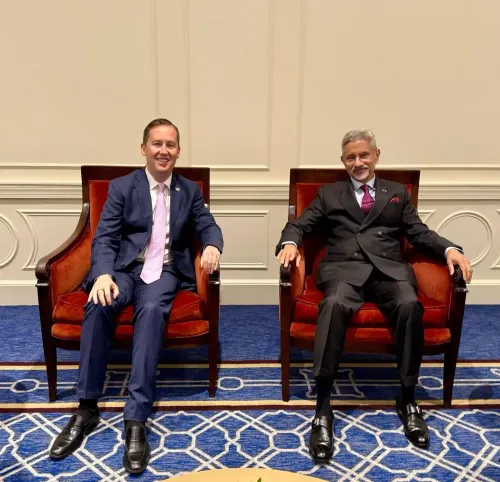
Did US Ambassador Sergio Gor Honor the 26/11 Victims?
Synopsis
US Ambassador Sergio Gor's recent visit to the 26/11 memorial in Mumbai not only pays tribute to the victims of the 2008 terror attacks but also reinforces the ongoing US-India partnership in combating terrorism. His heartfelt remarks highlight the sacrifices made by security forces during those tragic events.
Key Takeaways
Ambassador Gor pays tribute to 26/11 victims at Taj Mahal Palace Hotel .
He acknowledges the loss of 166 lives , including 6 Americans .
The visit emphasizes the US-India partnership in counter-terrorism.
Recognition of the bravery of Indian security forces during the attacks.
Extradition of Tahawwur Hussain Rana marks a significant achievement for justice.
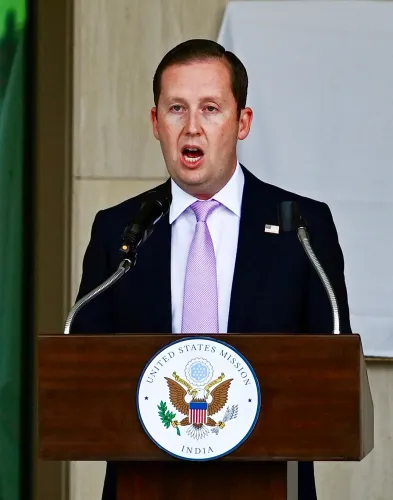
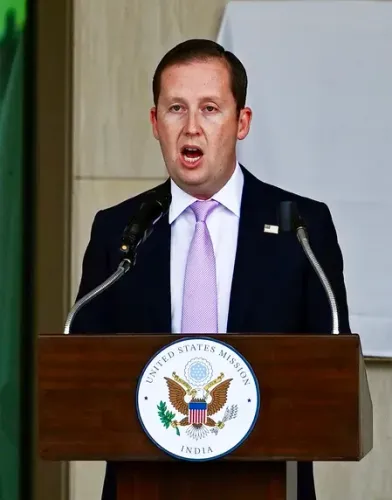
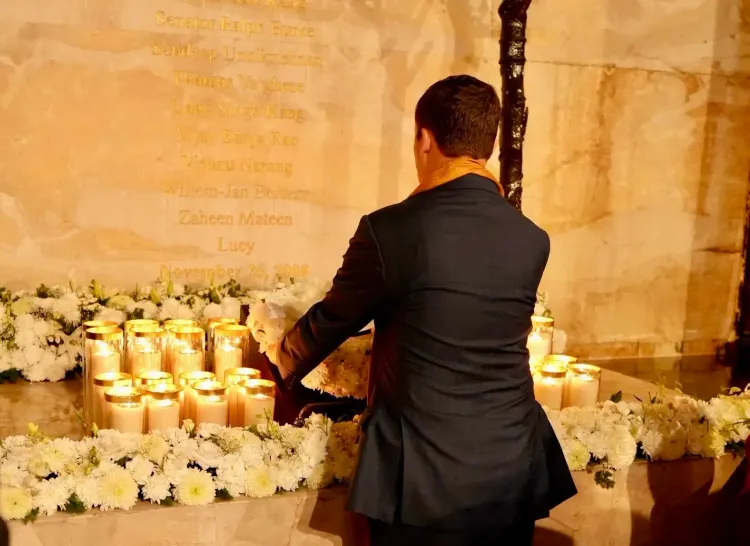
Bhopal, Jan 17 (NationPress) US Ambassador to India Sergio Gor paid his respects at the 26/11 memorial located at the Taj Mahal Palace Hotel in Mumbai, commemorating the victims of the tragic 2008 Mumbai terror attacks. In a poignant message shared on X, Ambassador Gor expressed, "May such a tragedy never occur again. I visited the 26/11 memorial at the Taj Mahal Palace Hotel, honoring the 166 innocent lives lost, including 6 Americans. I commend the bravery of the Indian security forces and am proud that during President Trump's administration, the United States extradited Tahawwur Hussain Rana to India to face justice for his involvement in orchestrating these heinous attacks."
This visit marks Ambassador Gor's initial engagements after formally assuming his role as US Ambassador to India, following the presentation of his credentials to President Droupadi Murmu earlier in January 2026.
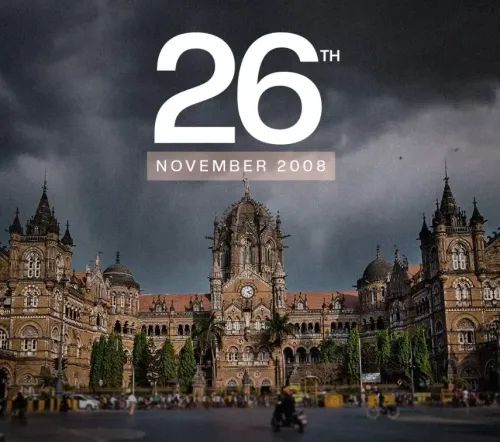
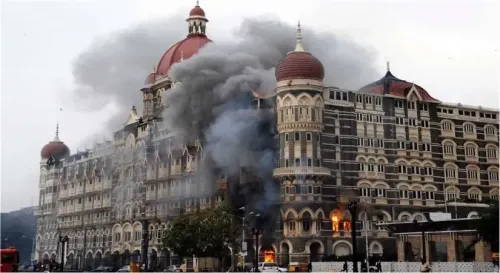
The attacks on November 26, 2008, conducted by Lashkar-e-Taiba (LeT) terrorists, unfolded over a span of four days, targeting prominent locations such as the Taj Mahal Palace Hotel, Oberoi Trident, Nariman House Jewish centre, Chhatrapati Shivaji Terminus railway station, and Cama Hospital.
This coordinated assault resulted in the loss of 166 lives, including foreign nationals, and left hundreds injured, marking one of the most audacious acts of urban terrorism in contemporary history.
Tahawwur Hussain Rana, a Pakistani-Canadian businessman and associate of LeT scout David Headley, was crucial in the planning process, allegedly providing logistical support and reconnaissance.
Following extensive extradition procedures, Rana was transferred by the United States to Indian authorities in April 2025, allowing him to be tried on charges related to conspiracy and support for the attacks. This transfer was considered a significant achievement for bilateral counter-terrorism initiatives and addressed a longstanding demand from India for accountability.
Ambassador Gor's statement underscores the steadfast US-India alliance in the fight against terrorism. He specifically acknowledged the bravery of Indian security forces—the National Security Guards (NSG), Mumbai Police, Marine Commandos, and others—who engaged the attackers in fierce, close-quarters combat to conclude the sieges and save hostages.
The 26/11 memorials, particularly at the revitalized Taj Mahal Palace Hotel, symbolize resilience, remembrance, and a shared commitment to preventing future atrocities.
Gor's visit and his public comments reaffirm the mutual values in seeking justice, strengthening security collaborations, and honoring the deceased—both Indian and American. In a time of shifting global threats, this act emphasizes the enduring resolve of the two democracies to unite against terrorism.
Frequently Asked Questions
What was the purpose of Ambassador Gor's visit?
Ambassador Gor visited the 26/11 memorial to honor the victims of the 2008 Mumbai terror attacks and to reaffirm the US-India partnership in combating terrorism.
How many lives were lost during the 26/11 attacks?
The 26/11 attacks resulted in the loss of 166 lives, including 6 Americans.
What role did Tahawwur Hussain Rana play in the attacks?
Tahawwur Hussain Rana was allegedly involved in the planning of the attacks by providing logistical support and reconnaissance.
When did the extradition of Rana take place?
Tahawwur Hussain Rana was extradited to India by the United States in April 2025.
What do the memorials symbolize?
The memorials stand as symbols of resilience, remembrance, and a commitment to preventing future acts of terrorism.