Revolutionary HPV Vaccine Rollout Marks New Era in India's Health Initiatives
Synopsis
V.M. Katoch, former ICMR DG, lauds the nationwide HPV vaccination launch as a transformative public health initiative, aiming to combat cervical cancer and protect vulnerable populations across India.
Key Takeaways
Nationwide rollout of the HPV vaccination is a significant public health milestone.
Vaccination aims to combat cervical cancer , a leading cause of cancer deaths in women.
Over 160 countries have adopted HPV vaccination programs.
The program ensures access for economically disadvantaged populations.
Widespread immunisation is crucial for community health and prevention.
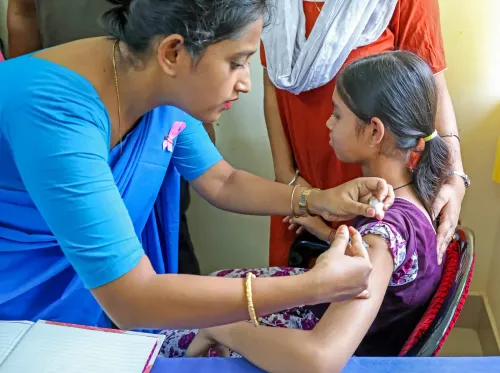
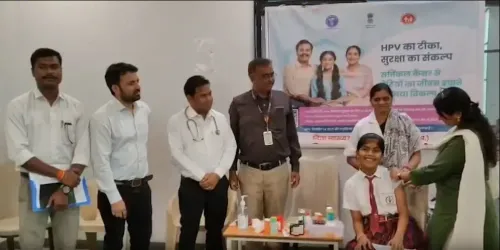
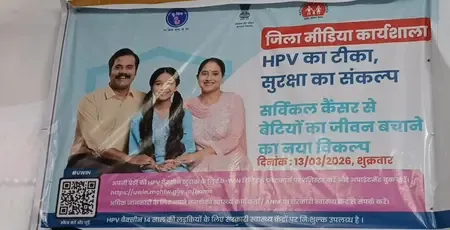
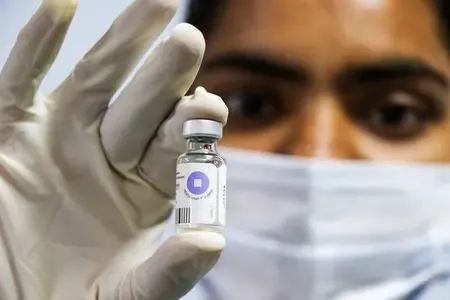
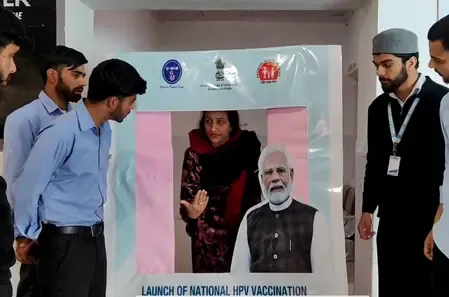
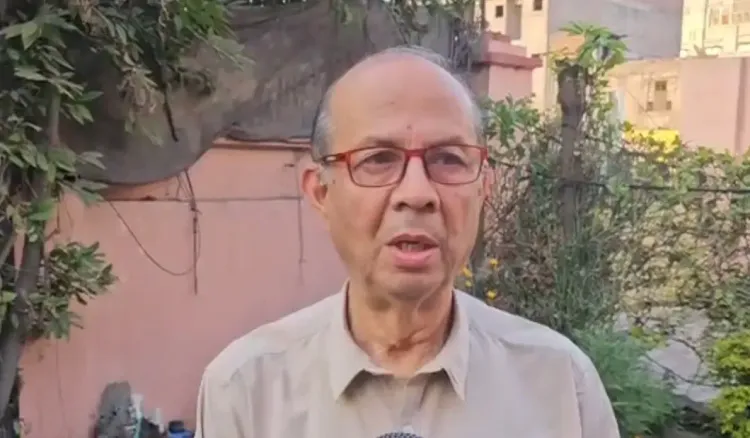
Jaipur, Feb 26 (NationPress) V.M. Katoch, the former Director General (DG) of the Indian Council of Medical Research (ICMR) and ex-Health Research Secretary at the Ministry of Health and Family Welfare, remarked on Thursday that the national launch of the Human Papillomavirus (HPV) vaccination marks a significant milestone in India's public health advancement.
Katoch referred to this initiative as a transformative and visionary action, stating that integrating the HPV vaccine into the national immunisation scheme would greatly enhance the fight against cervical cancer, which remains a leading cause of cancer mortality among women in India.
He highlighted that HPV infection is a primary contributor to cervical cancer, a condition that continues to devastate the lives of many women, particularly during their youth and middle age.
"Cervical cancer is preventable, and vaccination is one of our most powerful defenses," he stated.
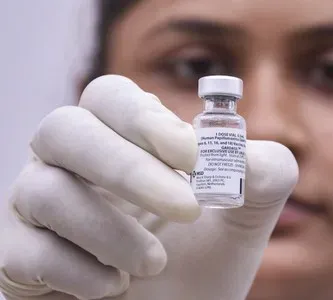
Katoch pointed out that the HPV vaccine has been demonstrated globally to be highly effective in preventing HPV infections and substantially lowering the rates of cervical cancer.
Over 160 nations have already incorporated HPV vaccination into their national immunisation schedules, showcasing its safety, efficacy, and value in public health.
Although India approved the vaccine nearly 20 years ago, its accessibility was mainly limited to those who could afford it through private healthcare.
This meant that numerous vulnerable groups, particularly girls from economically disadvantaged backgrounds, remained unprotected.
"With its integration into the national programme, the vaccine will now be available to those most at risk and unable to afford it," Katoch remarked.
He stressed that broad immunisation will not only safeguard young girls before they encounter the virus but also help minimize its transmission within the community.
Katoch expressed optimism that the continued execution of this programme would eventually aid in the eradication of cervical cancer as a public health issue in India, representing a significant achievement in the battle against preventable diseases.
Point of View
The rollout of the HPV vaccination stands as a hallmark achievement in public health policy, demonstrating a commitment to safeguarding women's health and addressing inequalities in healthcare access across the nation. This initiative is poised to make a lasting impact on public health in India.
NationPress
21 Sept 2026
Frequently Asked Questions
What is the significance of the HPV vaccination rollout?
The HPV vaccination rollout is significant as it aims to prevent cervical cancer, a leading cause of cancer deaths among women in India, especially among economically disadvantaged groups.
How effective is the HPV vaccine?
The HPV vaccine is globally recognized for its high effectiveness in preventing HPV infections and significantly reducing cervical cancer incidence.
Who will benefit from the national immunisation program?
The national immunisation program will especially benefit vulnerable populations, including girls from economically weaker sections who previously lacked access to the vaccine.
What impact could widespread vaccination have?
Widespread vaccination is expected to protect young girls before they are exposed to HPV and reduce virus transmission within the community.
When was the HPV vaccine approved in India?
The HPV vaccine was approved in India nearly two decades ago but was mainly accessible through private healthcare until now.