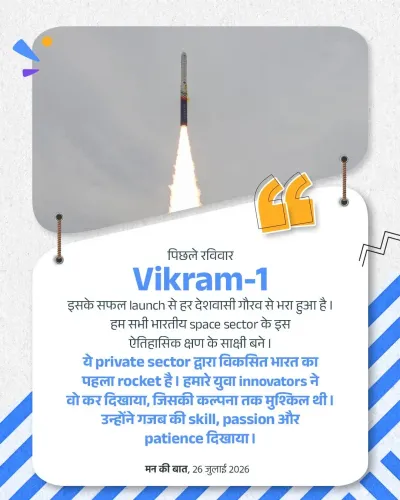
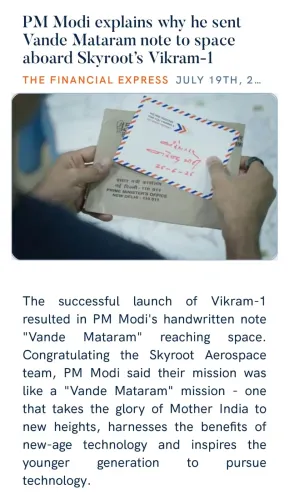
CM Himanta Hails Vikram-1 as India's Private Space Milestone
Synopsis
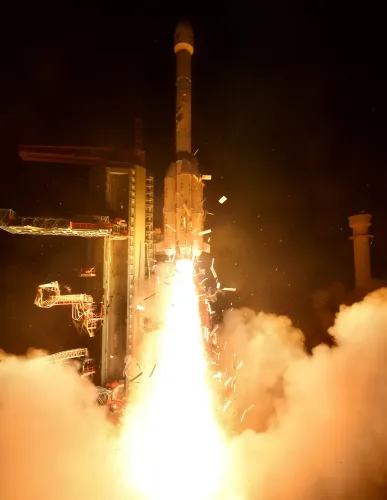
Assam Chief Minister Himanta Biswa Sarma hailed the launch of Vikram-1 by Skyroot Aerospace as a landmark for India's private space sector, noting its all-carbon composite build, 3D-printed engine, and symbolic timing 46 years after ISRO's SLV-3 launch.
Key Takeaways
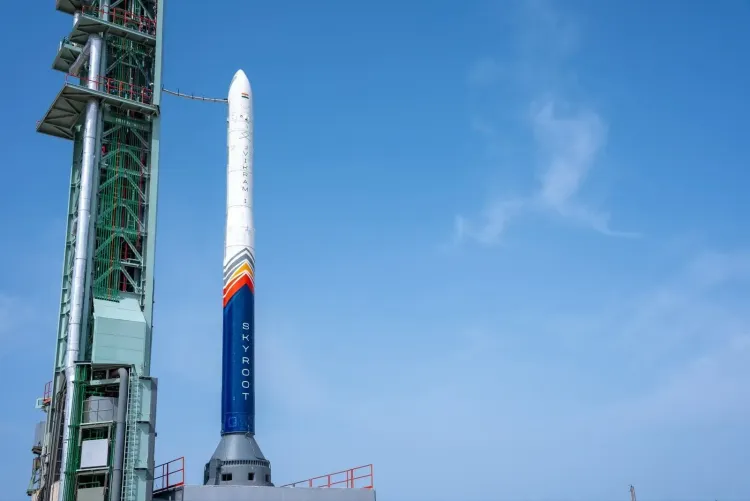
Vikram-1 is India's first private-sector orbital-class rocket, developed by Hyderabad -based Skyroot Aerospace .
The rocket is India's first all-carbon composite orbital vehicle, powered by a 3D-printed engine .
The launch comes exactly 46 years after ISRO 's SLV-3 , India's first indigenous satellite launch vehicle, flew in July 1980 .
The mission is also testing technologies to help address the growing challenge of space debris .
The launch is enabled by India's liberalised space policy, including the creation of IN-SPACe in 2020 .
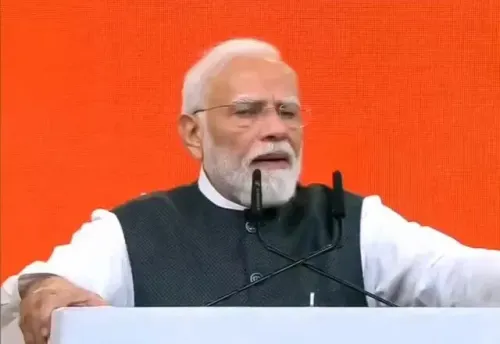
CM Sarma linked the achievement to PM Modi 's governance and the broader Atmanirbhar Bharat push in high-technology sectors.
Assam Chief Minister Himanta Biswa Sarma on Saturday, 18 July 2026, congratulated the team at Skyroot Aerospace on the launch of Vikram-1, calling it 'a new pinnacle both for India's space industry and the limits of entrepreneurial possibilities.'
Context
Vikram-1 is India's first private-sector orbital-class rocket, built by Hyderabad-based Skyroot Aerospace. The vehicle is notable for being India's first all-carbon composite orbital rocket, powered by a 3D-printed engine — a combination that significantly reduces manufacturing costs and turnaround time for commercial satellite launches.
CM Sarma noted that the launch arrives exactly 46 years after ISRO's pioneering SLV-3, India's first indigenous satellite launch vehicle, which flew successfully in July 1980. He described Vikram-1 as 'a fitting tribute to the generations of scientists and engineers who laid the foundation for today's achievements.'
Policy Backdrop
The Vikram-1 mission is a direct product of India's liberalised space policy. The Union government established IN-SPACe (Indian National Space Promotion and Authorisation Centre) in 2020 to regulate and actively promote non-government space activities, opening the sector to private investment and innovation for the first time.
Since 2014, the government under Prime Minister Narendra Modi has progressively allowed private firms to design, build, and operate launch vehicles, freeing ISRO to focus on advanced scientific and deep-space missions. This policy shift mirrors similar commercial-space liberalisation seen in the United States and Europe, with the explicit goal of reducing launch costs and expanding capacity. The emphasis on indigenous technologies such as carbon composites and 3D-printed propulsion directly supports the Atmanirbhar Bharat objective in high-technology domains.
Stakeholders and Impact
Beyond the commercial satellite-launch market, CM Sarma highlighted that the Vikram-1 mission is also testing technologies aimed at addressing space debris — an increasingly urgent global concern as low-Earth orbit becomes congested. If successful, these technologies could position Indian private players as responsible actors in the international space economy.
The mission carries significance for private space startups, ISRO scientists, domestic and foreign satellite operators, and venture investors who have backed India's emerging commercial space ecosystem. A successful orbital launch by a private Indian firm would validate the entire policy and investment thesis built over the past decade.
What's Next
Industry observers will watch for further private orbital attempts by Skyroot Aerospace and other domestic startups emboldened by this milestone. Parliament's pending Space Activities Bill, which seeks to provide a comprehensive legal framework for private space commerce, is also expected to receive renewed momentum following a successful launch. CM Sarma's public endorsement signals that political support for India's commercial space ambitions extends well beyond the central government, reinforcing the sector's position as a national priority.
Point of View
Sarma frames the achievement within a continuum that connects Nehruvian institution-building to present-day economic liberalisation. The reference to space debris technology also subtly positions India as a responsible spacefaring nation, not merely a cost-competitive one. This kind of political amplification from regional leaders is likely to accelerate state-level policy interest in hosting or partnering with private space firms.
NationPress
17 Oct 2026
Frequently Asked Questions
What is Vikram-1 and who built it?
Vikram-1 is India's first private-sector orbital-class rocket, built by Hyderabad-based startup Skyroot Aerospace. It is India's first all-carbon composite orbital rocket and is powered by a 3D-printed engine.
Why is the Vikram-1 launch historically significant?
The launch comes exactly 46 years after ISRO's SLV-3, India's first indigenous satellite launch vehicle, flew in July 1980. It marks the first time a private Indian company has attempted an orbital launch.
What did Assam CM Himanta Biswa Sarma say about Vikram-1?
CM Sarma congratulated the Skyroot Aerospace team, calling the launch 'a new pinnacle for India's space industry.' He also noted the rocket's role in testing space debris mitigation technologies and linked the achievement to PM Modi's governance framework.
What is IN-SPACe and how does it relate to this launch?
IN-SPACe, or the Indian National Space Promotion and Authorisation Centre, was established in 2020 to regulate and promote private participation in India's space sector. It is the regulatory body that enabled firms like Skyroot Aerospace to develop and launch orbital rockets.
What technologies does Vikram-1 use that are new for India?
Vikram-1 uses an all-carbon composite structure and a 3D-printed engine, both firsts for an Indian orbital rocket. The mission is also testing technologies intended to help tackle the problem of space debris in low-Earth orbit.