CM Himanta links Assam dairy farmers to Viksit Bharat push
Synopsis
Assam Chief Minister Himanta Biswa Sarma has launched a new initiative to connect local livestock herders with modern dairy infrastructure, positioning the effort as Assam's contribution to PM Modi's Viksit Bharat vision of a developed India by 2047.
Key Takeaways
Assam CM Himanta Biswa Sarma announced a new rural prosperity initiative on 29 June 2026 focused on modernising dairy access for local livestock herders.
The initiative aims to connect pashupalakas (livestock herders) to organised, modern dairy value chains, replacing informal and lower-value selling channels.
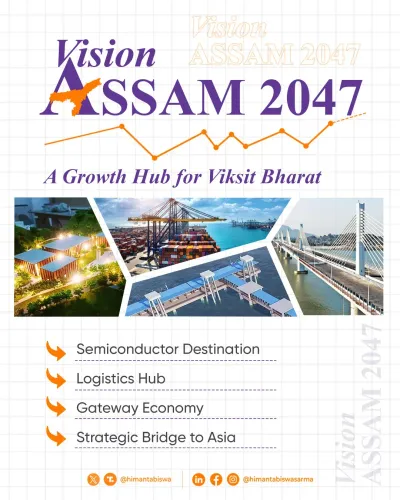
CM Sarma explicitly linked the state programme to PM Narendra Modi's #ViksitBharat national development framework targeting 2047 .
The announcement aligns with central government schemes such as the National Programme for Dairy Development and the Animal Husbandry Infrastructure Development Fund .
Beneficiaries are expected to include rural livestock-owning households, women's self-help groups, and dairy cooperatives across Assam .
Specific targets, district coverage, and budget allocations are yet to be formally announced.
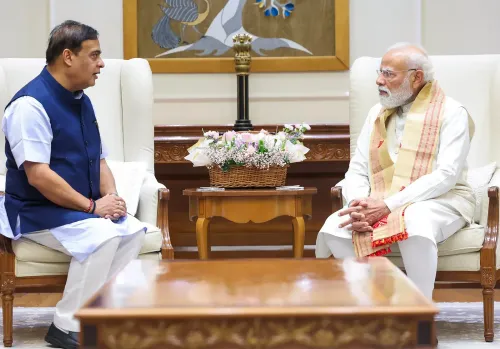
Assam Chief Minister Himanta Biswa Sarma on Monday, 29 June 2026, announced a new rural prosperity initiative connecting local livestock herders with modern dairy infrastructure, framing the effort as part of the state's contribution to Prime Minister Narendra Modi's Viksit Bharat vision.
What the CM Said
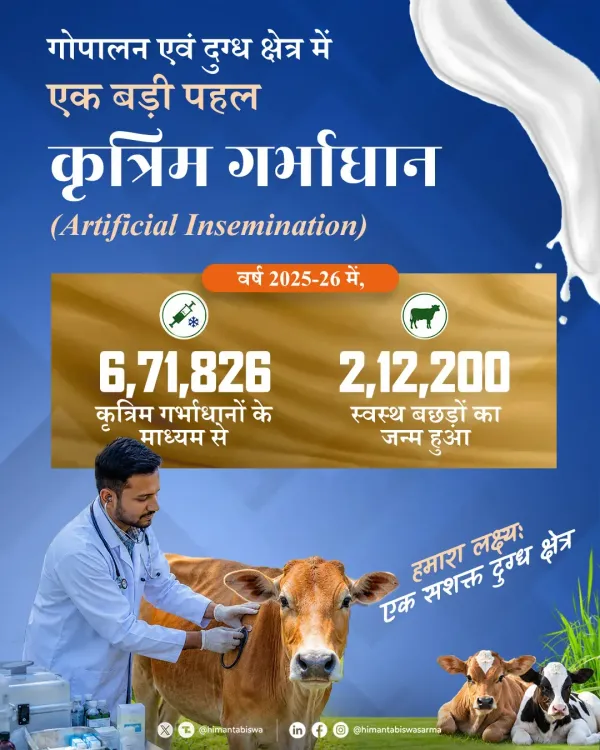
Posting in Hindi on X, CM Sarma wrote: 'स्थानीय पशुपालकों को आधुनिक डेयरी व्यवस्था से जोड़कर ग्रामीण समृद्धि की नई पहल हमारी सरकार ने शुरू की है' — 'Our government has launched a new initiative for rural prosperity by connecting local livestock herders to modern dairy systems.' He added that Assam is continuously moving forward to accelerate the resolve of PM Modi's #ViksitBharat.
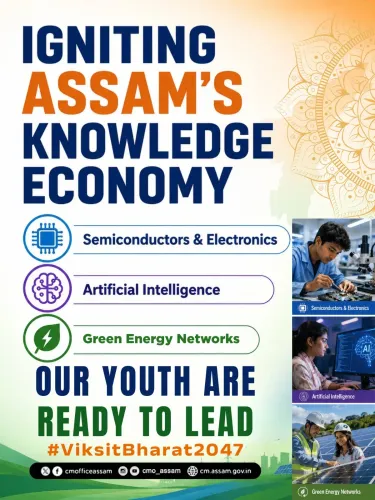
The post was accompanied by an image, signalling a formal programme communication rather than a casual remark. The CM tagged PM Modi's official handle, directly linking the state initiative to the national development framework.
Context
Dairy and animal husbandry have long been identified as high-impact livelihood sectors in Assam, where a significant share of rural households depend on cattle rearing for supplementary income. Connecting smallholder livestock farmers to organised dairy value chains — through collection centres, chilling units, and cooperative networks — is a well-established model for raising farmer incomes in states such as Gujarat and Rajasthan.
Assam's own dairy sector has historically lagged behind its potential, with fragmented supply chains and limited cold-storage infrastructure cited as structural bottlenecks. The state government's push to modernise this sector fits within a broader pattern of the BJP-led administration targeting rural economic indicators ahead of future electoral cycles.
Policy Backdrop
Viksit Bharat — or 'Developed India' — is PM Modi's overarching national development goal targeting a fully developed economy by 2047, the centenary of Indian independence. States governed by the BJP have been encouraged to align sectoral schemes with this framework, giving local programmes a national narrative anchor.
At the central level, schemes such as the National Programme for Dairy Development (NPDD) and the Animal Husbandry Infrastructure Development Fund (AHIDF) provide funding pipelines for exactly the kind of modern dairy infrastructure CM Sarma references. If Assam is tapping these central funds, the initiative would represent a state-centre convergence model increasingly common under the current administration.
Stakeholders and Impact
The primary beneficiaries of such an initiative would be Assam's rural livestock herders — locally called pashupalakas — who often sell milk through informal channels at lower prices due to lack of access to organised buyers. Integration with modern dairy systems typically means better price discovery, assured procurement, and access to veterinary and breed-improvement services.
Secondary stakeholders include dairy cooperatives, private dairy processors, and rural self-help groups, particularly women's collectives that frequently anchor dairy operations at the village level. A successful rollout could also improve milk availability and affordability in Assam's urban centres.
What's Next
The announcement sets an expectation for a formal policy or programme document detailing targets, timelines, and budget allocation. Observers will watch whether the government follows up with specifics — such as the number of farmers to be covered, districts prioritised, and infrastructure investments planned. The alignment with Viksit Bharat also suggests CM Sarma may seek to showcase Assam's progress at national platforms convened around the 2047 development agenda.
Point of View
Geographically dispersed rural constituency that is otherwise hard to reach through urban-centric schemes. By invoking Viksit Bharat, CM Sarma is also signalling to New Delhi that Assam is a willing and active partner in the 2047 agenda — useful leverage when negotiating central fund allocations. The absence of specific numbers in the announcement, however, means it remains a statement of intent until a detailed policy document follows.
NationPress
28 Sept 2026
Frequently Asked Questions
What is Assam CM Himanta Biswa Sarma's new dairy initiative?
CM Himanta Biswa Sarma has launched an initiative to connect local livestock herders in Assam with modern dairy infrastructure, aiming to improve rural incomes and integrate smallholder farmers into organised dairy value chains.
What is Viksit Bharat and how does Assam's dairy scheme relate to it?
Viksit Bharat — meaning 'Developed India' — is PM Narendra Modi's vision for India to become a fully developed nation by 2047. CM Sarma has framed Assam's dairy modernisation initiative as the state's contribution to accelerating this national goal.
Who benefits from Assam's modern dairy initiative?
The primary beneficiaries are rural livestock herders (pashupalakas) in Assam who currently sell milk through informal channels. Secondary beneficiaries include dairy cooperatives, women's self-help groups, and private dairy processors.
Which central government schemes support dairy modernisation in states like Assam?
The National Programme for Dairy Development (NPDD) and the Animal Husbandry Infrastructure Development Fund (AHIDF) are key central schemes that fund modern dairy infrastructure, including collection centres and chilling units, in states across India.
What are the next steps for Assam's dairy modernisation programme?
The government is expected to release a formal policy or programme document with specific targets, district coverage, timelines, and budget allocations. The initiative's scale and implementation details are yet to be publicly announced.