CM Himanta at JK Architect of the Year Awards 2026
Synopsis
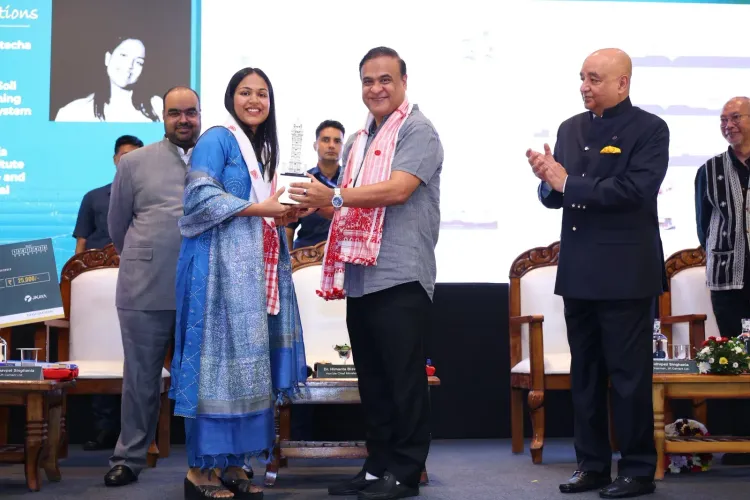
Chief Minister Himanta Biswa Sarma attended the 35th JK Architect of the Year Awards 2026 on 15 July, calling for architecture that is sustainable, culturally rooted, and future-ready in line with the Viksit Bharat vision. He congratulated the awardees and urged them to shape India's built environment for generations.
Key Takeaways
CM Himanta Biswa Sarma attended the 35th JK Architect of the Year Awards 2026 on 15 July 2026 .
He emphasised the need for architecture that is sustainable, culturally rooted, and future-ready .
His remarks were explicitly aligned with the national Viksit Bharat vision of making India a developed nation by 2047 .
The awards are organised by JK Cement India and recognise excellence in Indian architectural practice.
The Chief Minister congratulated awardees and called on them to shape India's built environment for generations to come .
The event highlights growing political interest in linking architecture policy with sustainability and cultural identity at the state level.
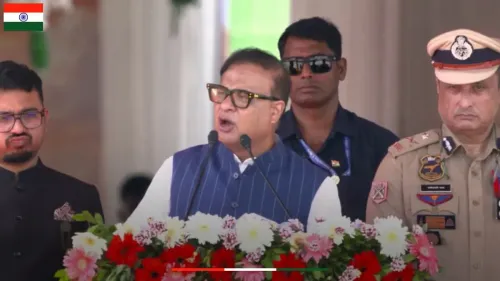
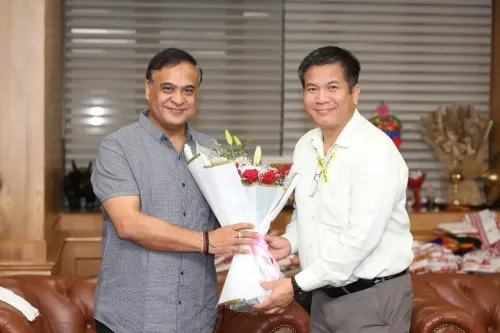
The Chief Minister's Office of Assam announced on Wednesday, 15 July 2026, that Chief Minister Dr. Himanta Biswa Sarma attended the 35th JK Architect of the Year Awards 2026, where he called for architecture that is sustainable, culturally rooted, and future-ready, in alignment with the national vision of #ViksitBharat.
Context
The JK Architect of the Year Awards, organised by JK Cement India, is one of India's longest-running recognitions for excellence in architectural practice. Now in its 35th edition, the awards honour professionals who have made significant contributions to India's built environment. CM Himanta Biswa Sarma attended the ceremony and used the platform to underline the importance of design that speaks to both national ambition and local cultural identity.
The Chief Minister congratulated the awardees and expressed confidence in their ability to shape India's built environment for generations to come, according to the official post from the Chief Minister's Office of Assam.
Policy Backdrop
The emphasis on sustainable and culturally rooted architecture connects directly to the Union government's Viksit Bharat initiative, which envisions India as a fully developed nation by 2047. Built-environment policy has become an increasingly visible pillar of this vision, with planners and policymakers expected to reconcile rapid infrastructure growth with heritage-sensitive and climate-responsive design.
India's Smart Cities Mission, launched in 2015, had earlier set the template for integrating technology and local context into urban design. The current discourse around Viksit Bharat extends that logic further, pushing for architecture that is not merely functional but also ecologically and culturally sustainable.
Stakeholders and Impact
The awards and the Chief Minister's remarks are directly relevant to architects and urban planners across India, particularly those working on public infrastructure, housing, and heritage conservation. By lending political weight to the conversation around sustainable design, CM Himanta signals that state governments are expected to play an active role in shaping how India builds its cities and towns.
For Assam specifically, the message carries added significance given the state's rich architectural heritage and its ongoing infrastructure expansion. The intersection of cultural continuity and modern sustainability is particularly acute in the Northeast, where indigenous design traditions are at risk of being displaced by generic construction practices.
What's Next
Observers will watch for whether Assam follows up with updated green building norms or state-level architecture guidelines that translate the Chief Minister's remarks into policy. At the national level, any follow-up summits or ministerial engagements on urban design under the Viksit Bharat framework will indicate how seriously the built-environment agenda is being institutionalised. The recognition of awardees at a platform of this stature is also likely to amplify conversations around India's architectural identity in the run-up to 2047.
Point of View
He ties a cultural and aesthetic conversation to a hard political deadline: 2047. This is consistent with a broader pattern of BJP-governed states aligning visible public engagements with the Union government's flagship narrative frameworks. The real test will be whether Assam translates this rhetorical alignment into concrete policy instruments such as green building codes or heritage-sensitive urban guidelines.
NationPress
14 Oct 2026
Frequently Asked Questions
What is the JK Architect of the Year Award?
The JK Architect of the Year Award is an annual recognition for excellence in Indian architecture, organised by JK Cement India. The 2026 edition was its 35th instalment, making it one of the longest-running such awards in the country.
Why did CM Himanta Biswa Sarma attend the JK Architect of the Year Awards 2026?
CM Himanta Biswa Sarma attended the 35th JK Architect of the Year Awards 2026 to emphasise the importance of sustainable, culturally rooted, and future-ready architecture in line with the Viksit Bharat vision, and to congratulate the awardees.
What is Viksit Bharat and how does it relate to architecture?
Viksit Bharat is the Union government's national vision to make India a fully developed country by 2047. It increasingly encompasses built-environment policy, encouraging architecture that is sustainable, climate-responsive, and culturally sensitive alongside rapid infrastructure growth.
What did CM Himanta say at the architecture awards ceremony?
According to the Chief Minister's Office of Assam, CM Himanta stressed the need for architecture that is sustainable, culturally rooted, and future-ready. He congratulated the awardees and wished them success in shaping India's built environment for generations to come.
What is Assam's role in India's sustainable architecture push?
Assam, with its rich architectural heritage and ongoing infrastructure expansion, is a key state where sustainable and culturally sensitive design is particularly important. CM Himanta's remarks suggest the state government intends to align its built-environment policies with national sustainability goals.