CM Bhajanlal Sharma chairs meet on Yamuna Water Agreement implementation
Synopsis
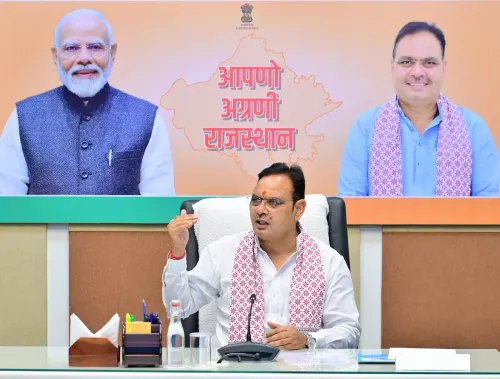
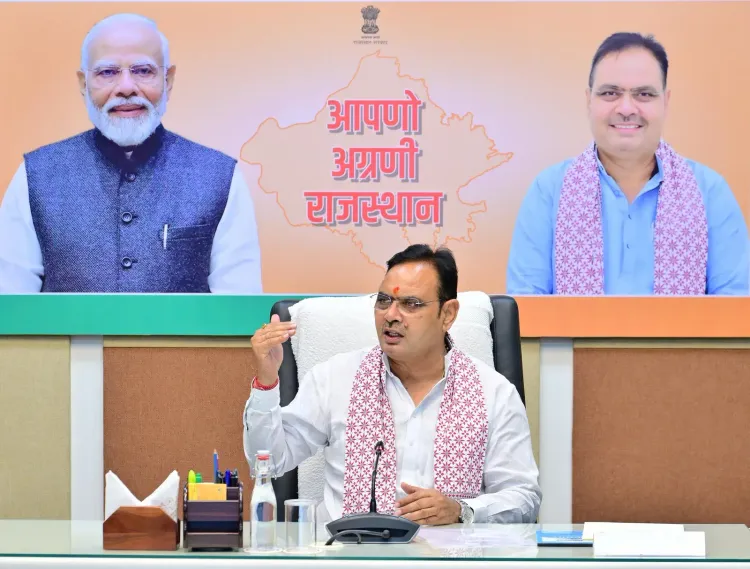
Chief Minister Bhajanlal Sharma on 15 July 2026 chaired a Water Resources Department review meeting, directing officials to implement the Yamuna Water Agreement in mission mode with regular monitoring and faster field-level execution, while thanking Union Minister C.R. Patil and Haryana CM Nayab Singh Saini for their cooperation.
Key Takeaways
CM Bhajanlal Sharma chaired a Water Resources Department meeting on 15 July 2026 on Yamuna Water Agreement implementation.
Officials were directed to pursue the project in mission mode with regular monitoring and accelerated field-level work.
Union Jal Shakti Minister C.R.
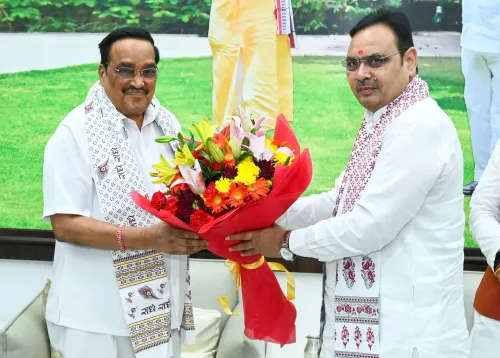
Patil and Haryana CM Nayab Singh Saini were thanked for their cooperation in finalising the agreement.
The Yamuna Water Agreement has roots in the 1994 Upper Yamuna River Agreement among five riparian states.
Eastern Rajasthan farmers and residents stand to be the primary beneficiaries of successful implementation.
The state government has tasked the Water Resources Department with ensuring regular progress monitoring going forward.
The Chief Minister's Office of Rajasthan announced on Wednesday, 15 July 2026 that Chief Minister Bhajanlal Sharma chaired a high-level review meeting of the Water Resources Department focused on the planned implementation of the Yamuna Water Agreement. The meeting directed officials to accelerate field-level work and ensure regular monitoring of the project on a mission-mode basis.
Context
The Chief Minister's Office posted that CM Bhajanlal Sharma convened the Water Resources Department meeting to assess the योजनाबद्ध क्रियान्वयन (planned implementation) of the Yamuna Jal Samjhauta. In the meeting, he issued directions to push the project forward in 'mission mode', ensure regular monitoring, and instruct officers to speed up work at the field level. He also expressed gratitude to Union Jal Shakti Minister C.R. Patil and Haryana Chief Minister Nayab Singh Saini for their 'full cooperation' in giving shape to the agreement.
The post was tagged with the hashtag #आपणो_अग्रणी_राजस्थान ('Our Leading Rajasthan'), a campaign slogan used by the state government to highlight development initiatives under the current BJP administration.
Policy Backdrop
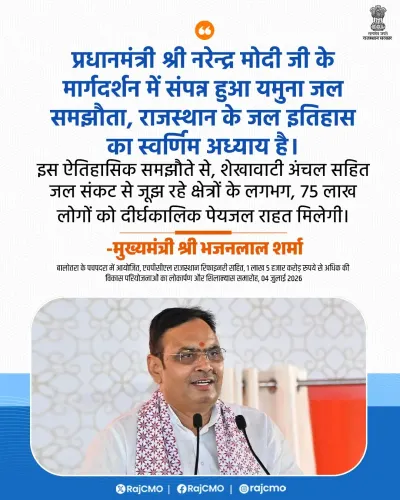
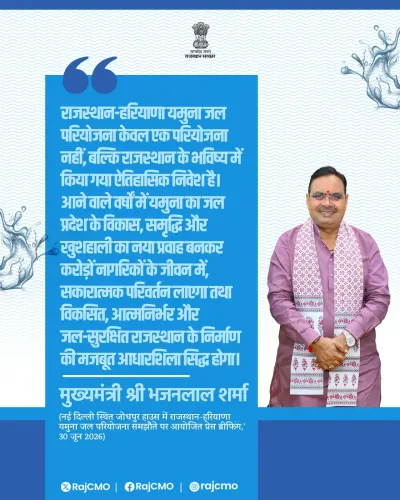
The roots of the current agreement trace back to the 1994 Upper Yamuna River Agreement, signed by Haryana, Delhi, Rajasthan, Uttar Pradesh, and Himachal Pradesh, which established water-sharing ratios among riparian states and set up the Upper Yamuna River Board as an oversight body. Rajasthan, an arid state with limited surface water resources, has historically sought enhanced Yamuna allocations to address irrigation deficits, particularly in its eastern districts.
Northern states sharing the Yamuna basin have periodically renegotiated allocations through central facilitation. The current push reflects a broader pattern of cooperative federalism on water infrastructure, with BJP-led governments in Rajasthan and Haryana coordinating on inter-state water projects.
Stakeholders and Impact
The primary beneficiaries of the Yamuna Water Agreement's implementation are Rajasthan's farming communities and residents of the state's eastern districts, which face acute water scarcity. Reliable Yamuna water allocations could significantly improve irrigation coverage and agricultural productivity in these regions.
The involvement of Union Jal Shakti Minister C.R. Patil signals central government backing for the inter-state arrangement, lending administrative and financial weight to the project's execution. The tripartite coordination between the Centre, Rajasthan, and Haryana is seen as critical to moving from agreement on paper to on-ground delivery.
What's Next
The Water Resources Department has been tasked with ensuring regular progress monitoring and accelerating field-level activities. Observers will watch for follow-up tripartite review meetings involving the Centre, Rajasthan, and Haryana to assess project timelines and milestone delivery. The mission-mode directive suggests the state government intends to treat Yamuna water infrastructure as a priority project ahead of the agricultural season.
Point of View
Reinforcing the narrative that BJP-ruled states can resolve inter-state water disputes more efficiently than their predecessors. The real test will come in field-level execution reports and whether eastern Rajasthan's farming districts see tangible water access improvements before the next election cycle.
NationPress
16 Jul 2026
Frequently Asked Questions
What is the Yamuna Water Agreement for Rajasthan?
The Yamuna Water Agreement is an inter-state arrangement that allocates a share of Yamuna river waters to Rajasthan, building on the 1994 Upper Yamuna River Agreement signed by Haryana, Delhi, Rajasthan, Uttar Pradesh, and Himachal Pradesh. It aims to address Rajasthan's irrigation and water scarcity needs, particularly in its eastern districts.
What did CM Bhajanlal Sharma announce on 15 July 2026?
CM Bhajanlal Sharma chaired a Water Resources Department meeting on 15 July 2026, directing officials to implement the Yamuna Water Agreement in mission mode, ensure regular monitoring, and speed up field-level work.
Who is C.R. Patil and what is his role in the Yamuna water deal?
C.R. Patil is the Union Jal Shakti Minister, the central government's nodal minister for water resources. CM Bhajanlal Sharma thanked him for extending full cooperation in helping finalise and implement the Yamuna Water Agreement.
How does the Yamuna Water Agreement benefit Rajasthan farmers?
The agreement is expected to provide Rajasthan with a reliable allocation of Yamuna waters, which can be channelled for irrigation in water-scarce eastern districts, improving agricultural productivity for farmers in those regions.
What is mission mode in the context of Rajasthan's water project?
Mission mode refers to a focused, time-bound implementation approach where a project is treated as a top administrative priority with dedicated monitoring, clear milestones, and accelerated field-level execution, similar to how central flagship schemes are managed.