Puri marks one year since handing Jore Sahib relics to Sikh body

Synopsis
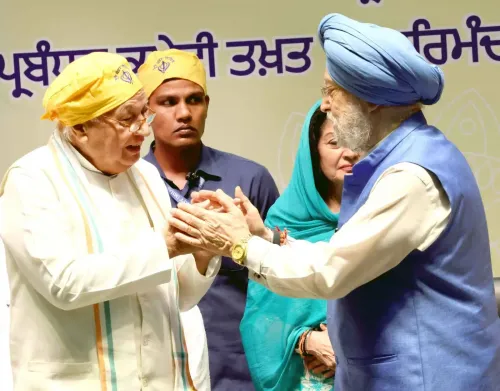
Union Petroleum Minister Hardeep Singh Puri marked the first anniversary of the Charan Suhava Yatra, reflecting on his family's 300-year custodianship of the Jore Sahib and its transfer to the Delhi Sikh Gurdwara Management Committee for permanent enshrinement at Takht Sri Harmandir Ji, Patna Sahib.
Key Takeaways
The Jore Sahib — sacred footwear of Guru Gobind Singh Ji and Mata Sahib Kaur Ji — was in the Puri family's custody for over 300 years .
Hardeep Singh Puri handed over the relics to the Delhi Sikh Gurdwara Management Committee , which placed them at Takht Sri Harmandir Ji, Patna Sahib .
PM Narendra Modi took personal interest in ensuring the relics received proper honour; a Sikh Sangat committee met him with recommendations for safekeeping and public darshan .
In 2021 , PM Modi personally intervened to facilitate the safe return of sacred Swaroops of Sri Guru Granth Sahib Ji from Kabul to Delhi ; Puri performed seva on their arrival.
The transfer marks a shift from private family custodianship to permanent community access at one of Sikhism's five Takhts.
Three centuries of family custodianship, one solemn ceremony, and a sacred legacy now enshrined at its rightful home — Union Petroleum Minister Hardeep Singh Puri marked the first anniversary of the Charan Suhava Yatra on Saturday, 24 October 2026, reflecting on his family's decision to transfer the holy Jore Sahib of Dasam Pita Sri Guru Gobind Singh Ji Maharaj to the Delhi Sikh Gurdwara Management Committee (DSGMC) for permanent public veneration at Takht Sri Harmandir Ji, Patna Sahib.
Three centuries in one family, now a legacy for the Sangat
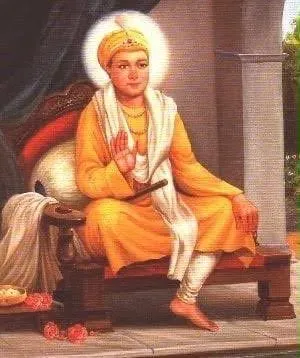
The Jore Sahib — the sacred footwear of the tenth Sikh Guru and founder of the Khalsa Panth, and of his revered wife Mata Sahib Kaur Ji — remained in the custody of the Puri family for over 300 years. Puri described the guardianship as 'a profound blessing,' a trust passed down across generations before the family took the deliberate step of placing it in community hands.
Writing on X, Puri said: 'On behalf of my family, I was blessed to hand over the holy relics to the Delhi Sikh Gurdwara Management Committee, which ensured that the Jore Sahib found a permanent home at Takht Sri Harmandir Ji, Patna Sahib, the sacred birthplace of Dasam Pita.' The transfer elevated a private custodianship into a shared heritage, giving pilgrims and the broader Sikh Sangat direct access to the relics at one of Sikhism's most revered Takhts.
PM Modi's personal role in the relic's journey
Puri credited Prime Minister Narendra Modi with taking 'a keen personal interest' in ensuring the Jore Sahib received 'befitting honour, dignity and reverence.' A committee of eminent Sikh Sangat members met the Prime Minister and presented recommendations for the safekeeping and public darshan [veneration] of the relics at Patna Sahib. The minister framed Modi's involvement not as a political gesture but as an expression of the Prime Minister's 'affection and respect for the Sikh community.'
That framing connects to a broader thread Puri drew in the same post. He recalled 2021, when the Government of India facilitated the safe return of the sacred Swaroops of Sri Guru Granth Sahib Ji — and the accompanying Sikh delegation — from Kabul to Delhi, following direct Prime Ministerial intervention as Afghanistan descended into crisis. 'I was immensely blessed to perform seva [service] of the holy Swaroops upon their arrival in Delhi,' Puri wrote — a moment that placed him personally at the intersection of faith, diplomacy, and emergency statecraft.
Patna Sahib: why the birthplace matters
Takht Sri Harmandir Ji, Patna Sahib in Bihar is one of the five Takhts — seats of temporal and spiritual authority — in Sikhism, and the only one located outside Punjab. It marks the birthplace of Guru Gobind Singh Ji, born on 22 December 1666. Housing the Jore Sahib there closes a symbolic circle: the relics of the Guru return permanently to the ground where he entered the world. For Sikh pilgrims who travel to Patna Sahib from across India and the diaspora, the Jore Sahib now becomes a permanent object of darshan rather than a private family treasure.
A pattern of heritage stewardship the government is building on
The Jore Sahib transfer is one point on a longer government arc: improved connectivity and accessibility to major Gurdwaras, the Kabul Swaroops repatriation, and the ongoing preservation of Sikh heritage sites. Puri's post, tagged #GuruCharanYatra, signals that the first-anniversary moment will keep this arc visible in public discourse. His closing prayer — that the holy Jore Sahib 'continue to inspire faith, devotion and Chardi Kala [eternal optimism] in the Sangat for generations to come' — lands the personal and the political in the same register.
The relics have found their permanent home. The anniversary simply asks the Sangat to remember how they got there.
Point of View
Family legacy, and a deliberate government strategy to deepen engagement with Sikh religious institutions. By publicly crediting PM Modi's personal intervention — and linking it to the 2021 Kabul Swaroops repatriation — Puri reinforces a narrative of the BJP-led government as an active steward of Sikh heritage, not merely a policy bystander. The choice of Takht Sri Harmandir Ji, Patna Sahib as the permanent home carries political geography as well as spiritual logic, spotlighting Bihar's Sikh heritage on a national stage. Expect the government to reference this arc as it pursues further gurdwara connectivity and relic conservation announcements in the coming months.
NationPress
24 Oct 2026
Frequently Asked Questions
What is the Jore Sahib and why is it significant?
The Jore Sahib refers to the sacred footwear of Sri Guru Gobind Singh Ji Maharaj , the tenth Sikh Guru and founder of the Khalsa Panth, and of his revered wife Mata Sahib Kaur Ji . It is considered one of the most revered Sikh relics and was in the Puri family's custody for over 300 years before being transferred to Patna Sahib.
What is the Charan Suhava Yatra?
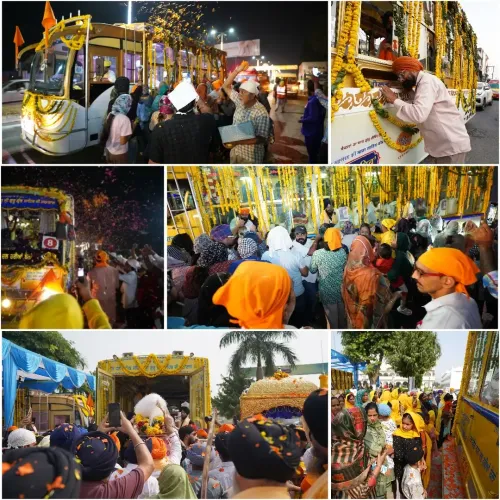
The Charan Suhava Yatra was the ceremonial procession marking the transfer of the holy Jore Sahib from the Puri family to the Delhi Sikh Gurdwara Management Committee , which then enshrined the relics at Takht Sri Harmandir Ji, Patna Sahib . The first anniversary of that yatra falls on 24 October 2026 .
Where are the Jore Sahib relics now kept?
The Jore Sahib is now permanently housed at Takht Sri Harmandir Ji, Patna Sahib in Bihar — the sacred birthplace of Guru Gobind Singh Ji and one of Sikhism's five Takhts — for public darshan by pilgrims and devotees.
What role did PM Modi play in the Jore Sahib transfer?
Prime Minister Narendra Modi took personal interest in ensuring the relics received 'befitting honour, dignity and reverence,' according to Hardeep Singh Puri. A committee of eminent Sikh Sangat members met the Prime Minister and presented recommendations for the safekeeping and public darshan of the Jore Sahib.
What happened to the Swaroops of Sri Guru Granth Sahib Ji from Kabul in 2021?
In 2021 , following direct intervention by PM Narendra Modi , the Government of India facilitated the safe passage of the sacred Swaroops of Sri Guru Granth Sahib Ji and an accompanying Sikh delegation from Kabul to Delhi amid the Afghanistan crisis. Minister Puri personally performed seva of the holy Swaroops on their arrival.