CM Saini pays tribute to Birsa Munda on death anniversary
Synopsis
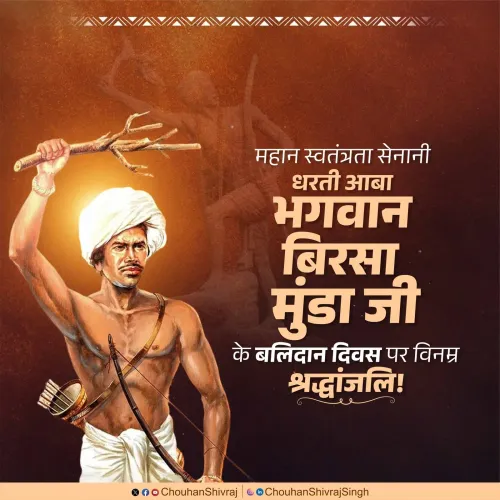
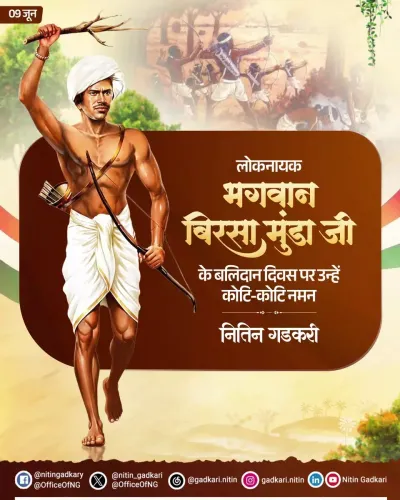
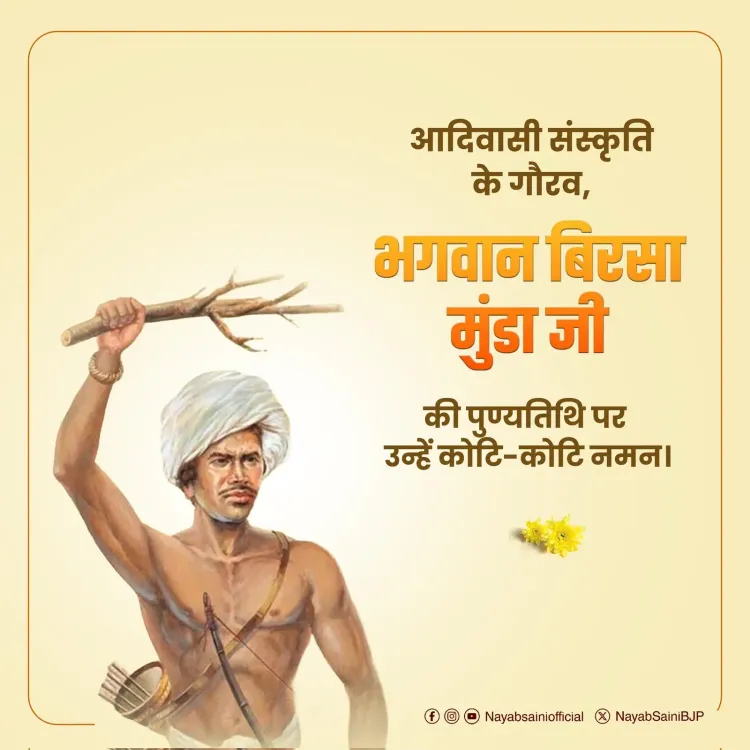
Haryana Chief Minister Nayab Singh Saini paid tribute to Bhagwan Birsa Munda on his 126th death anniversary, calling the tribal icon a symbol of Adivasi culture, self-respect, and mass awakening whose struggle against injustice continues to inspire generations.
Key Takeaways
Nayab Singh Saini posted the tribute on 9 June 2026 , the 126th death anniversary of Bhagwan Birsa Munda.
Saini described Munda as a symbol of tribal culture, self-respect, and mass awakening .
Birsa Munda led the Ulgulan movement in the Chota Nagpur region against British land policies and died in British custody on 9 June 1900 .
The Union Government instituted Janjatiya Gaurav Divas on 15 November in 2021 to honour tribal freedom fighters including Birsa Munda.
BJP-led governments across states consistently mark anniversaries of tribal icons as part of outreach to Scheduled Tribe voters .
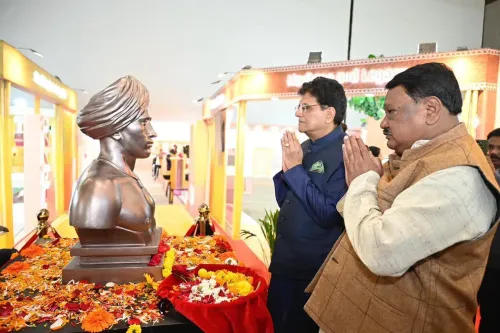
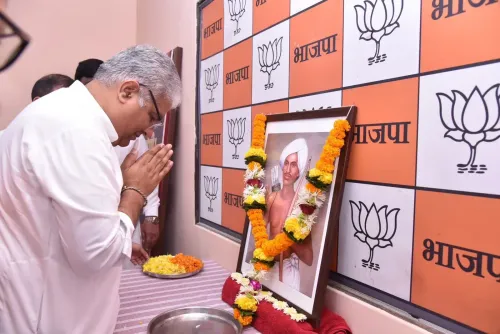
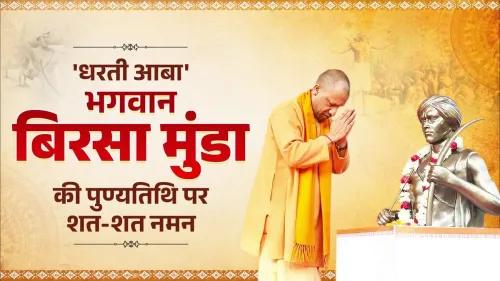
Haryana Chief Minister Nayab Singh Saini on Tuesday, 9 June 2026 paid tribute to tribal icon Bhagwan Birsa Munda on his death anniversary, honouring the 19th-century leader's legacy of resistance and national consciousness.
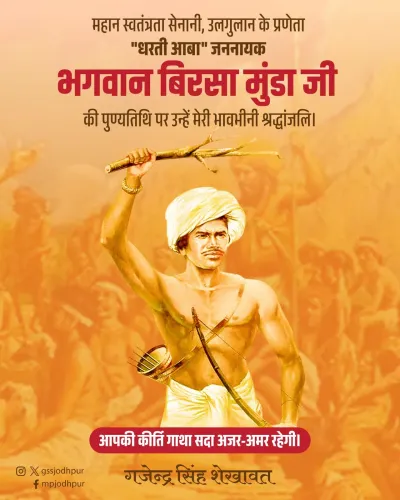
Posting in Hindi on X, Saini described Birsa Munda as a symbol of 'Adivasi sanskriti, swabhiman aur janjaagran' (tribal culture, self-respect, and mass awakening). He wrote that Munda 'infused a new consciousness in society through his indomitable courage, combative personality, and patriotism,' and that his lifelong struggle against injustice and exploitation 'remains a source of inspiration for generations to come.'
Context
Bhagwan Birsa Munda was a tribal leader from the Chota Nagpur region who spearheaded the Ulgulan (Great Tumult) movement in the late 19th century, challenging British land policies and the exploitation of tribal communities by moneylenders. He died in British custody on 9 June 1900, making this year the 126th death anniversary of the revered figure. Munda is widely regarded as a foundational figure in India's tribal rights history and in the broader anti-colonial freedom struggle.
Policy Backdrop
The Union Government in 2021 declared 15 November — Birsa Munda's birth anniversary — as Janjatiya Gaurav Divas (National Tribal Pride Day) to formally recognise the contributions of tribal freedom fighters to India's independence. The move institutionalised annual commemorations at the national and state levels. Both death and birth anniversaries of Birsa Munda are now routinely observed by BJP-led governments as part of a broader effort to integrate Adivasi histories into the national narrative.
Haryana, while not a state with a large Scheduled Tribe population, participates in these national commemorations. The tribute from Saini reflects a pattern seen across BJP-governed states, where chief ministers mark the anniversaries of tribal icons to signal solidarity with Adivasi communities.
Stakeholders and Impact
The primary audience for such tributes is India's tribal communities — particularly Adivasi youth — who see Birsa Munda as a symbol of cultural identity and resistance. Politically, consistent acknowledgement of tribal icons by BJP leaders forms part of a wider outreach to Scheduled Tribe voters in central and eastern India, where tribal populations are electorally significant in states such as Jharkhand, Odisha, Chhattisgarh, and Madhya Pradesh.
For tribal rights advocates and historians, the annual remembrance also keeps focus on unresolved issues of land rights, forest access, and economic inclusion that Munda's movement originally addressed.
What's Next
The larger annual commemoration is expected around 15 November, when the government observes Janjatiya Gaurav Divas on Birsa Munda's birth anniversary. State governments, including Haryana, are likely to organise cultural and policy events on that date. Observers will watch whether Haryana announces any new initiatives targeting its tribal pockets in connection with the November observance.
Point of View
The party weaves Adivasi history into its broader nationalist narrative. While Haryana has a comparatively small Scheduled Tribe population, such tributes signal solidarity with tribal communities in electorally critical states. The institutionalisation of Janjatiya Gaurav Divas in 2021 gave these annual commemorations formal state weight, elevating them beyond symbolic gestures into policy-linked outreach.
NationPress
29 Jul 2026
Frequently Asked Questions
Who was Bhagwan Birsa Munda and why is he remembered?
Bhagwan Birsa Munda was a tribal leader from the Chota Nagpur region who led the Ulgulan movement in the late 19th century against British land policies and the exploitation of tribal communities. He is remembered as a symbol of Adivasi resistance, cultural pride, and patriotism, and died in British custody on 9 June 1900.
Why did CM Nayab Singh Saini pay tribute to Birsa Munda on 9 June?
9 June marks the death anniversary of Bhagwan Birsa Munda, who died on this date in 1900. CM Saini posted the tribute to honour Munda's legacy of struggle against injustice and his contribution to national consciousness.
What is Janjatiya Gaurav Divas?
Janjatiya Gaurav Divas is a national commemoration observed on 15 November, Birsa Munda's birth anniversary, instituted by the Union Government in 2021 to recognise the contributions of tribal freedom fighters to India's independence.
What was the Ulgulan movement?
The Ulgulan, meaning 'Great Tumult,' was a tribal uprising led by Birsa Munda in the Chota Nagpur region in the late 19th century. It challenged British land acquisition policies and the exploitation of tribal people by moneylenders and landlords.
Does Haryana have a significant tribal population?
Haryana has a relatively small Scheduled Tribe population compared to states like Jharkhand, Odisha, and Chhattisgarh. However, Haryana's BJP government participates in national commemorations of tribal icons as part of broader outreach efforts.