PM Modi to join Manila Gurudwara Khalsa Diwan redevelopment ceremony
Synopsis
Prime Minister Narendra Modi will attend the ceremony marking the start of redevelopment works at the historic Gurudwara Khalsa Diwan in Manila on 17 November 2026, underscoring India's cultural ties with the Indian and Sikh diaspora in the Philippines.
Key Takeaways
Prime Minister Narendra Modi announced he will attend the redevelopment launch at Gurudwara Khalsa Diwan in Manila on 17 November 2026 .
The gurudwara is over a century old , established by early Indian migrants — predominantly Sikhs — to the Philippines.
It serves as a centre of worship and community life for the Indian diaspora in the Philippines .
Modi's participation continues a broader pattern of Indian prime ministers engaging diaspora heritage institutions during overseas visits.
The event connects India's diplomatic presence in Southeast Asia to deep people-to-people cultural ties.
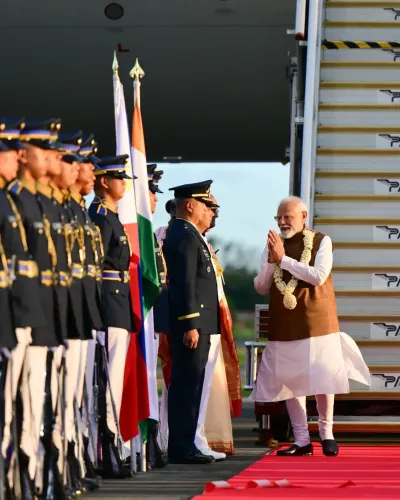
A century-old Sikh shrine in the heart of Manila is about to begin a new chapter — and Prime Minister Narendra Modi will be there to mark the moment. On Monday, 16 November 2026, Modi announced he will participate in the ceremony to mark the start of redevelopment works at Gurudwara Khalsa Diwan in Manila, Philippines, scheduled for 17 November 2026.
A century of faith in Southeast Asia
Gurudwara Khalsa Diwan in Manila stands as one of the most enduring symbols of early Indian migration to Southeast Asia. Established more than a hundred years ago by Indian migrants — predominantly Sikhs — who made the Philippines their home, the gurudwara has served for generations as a centre of worship, community life, and cultural identity for the Indian diaspora in the country.
The Philippines hosts a small but historically rooted Indian community, and institutions like this gurudwara have anchored that presence across waves of migration and change. That a structure of this age is now entering a redevelopment phase signals both the community's continued vitality and its ambition to preserve a living heritage site for future generations.
Modi's pattern of diaspora outreach in the region
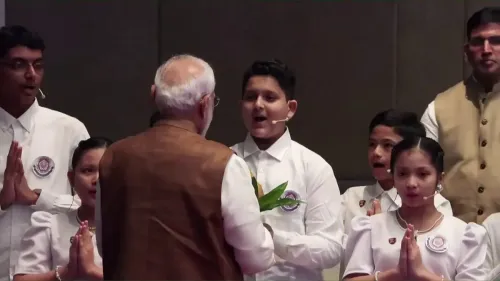
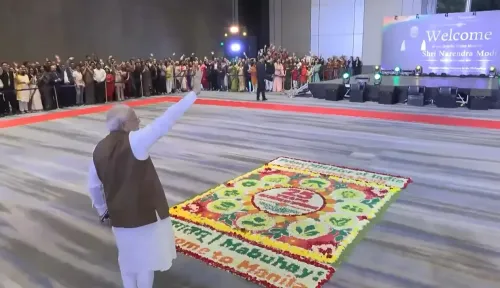
Indian prime ministers have long used overseas visits to acknowledge diaspora communities and their contributions — and Modi has made this a consistent thread through his foreign engagements. During ASEAN-linked visits and bilateral trips across Southeast Asia, he has regularly joined ceremonies at temples and gurudwaras, framing these not as formal state business but as a recognition of the people-to-people ties that underpin India's relationships in the region.
The Manila visit fits squarely within that pattern. By lending the weight of his office to the launch of this redevelopment, Modi connects India's diplomatic presence in the Philippines to a grassroots cultural legacy that predates modern bilateral diplomacy by decades.
What the redevelopment marks for the Indian diaspora
For the Sikh community and broader Indian diaspora in the Philippines, a prime ministerial presence at the ceremony carries significance well beyond the symbolic. It signals official Indian acknowledgement of their history and an investment — at least in visibility — in the preservation of overseas heritage. The redevelopment itself is intended to restore and upgrade a structure that has endured more than a century of tropical climate and the passage of time.
What emerges from Manila on 17 November will be watched closely by diaspora communities across Southeast Asia as a marker of how seriously New Delhi values cultural diplomacy alongside the trade and security conversations that dominate bilateral agendas.
Point of View
Reinforcing the 'diaspora as bridge' doctrine that has been a consistent feature of his foreign policy. By elevating a community heritage event to prime ministerial visibility, New Delhi signals that people-to-people ties — not just trade or security — are foundational to its Southeast Asia engagement. It also feeds a domestic narrative about the global spread of Indian civilisational identity. The move costs little diplomatically but yields outsized goodwill among diaspora communities across the ASEAN region watching closely.
NationPress
16 Nov 2026
Frequently Asked Questions
What is Gurudwara Khalsa Diwan in Manila?
Gurudwara Khalsa Diwan is a Sikh place of worship in Manila, Philippines, established over a century ago by Indian migrants and serving as a spiritual and community centre for the Indian diaspora in the country.
Why is PM Modi visiting the Manila gurudwara?
PM Modi is attending the ceremony to mark the start of redevelopment works at the historic Gurudwara Khalsa Diwan on 17 November 2026, as part of his engagement with the Indian and Sikh diaspora in the Philippines.
When is the Gurudwara Khalsa Diwan Manila redevelopment ceremony?
The ceremony marking the start of redevelopment works is scheduled for 17 November 2026, with PM Narendra Modi in attendance.
How old is the Gurudwara Khalsa Diwan in Manila?
The Gurudwara Khalsa Diwan in Manila is more than a hundred years old, making it one of the oldest Indian religious institutions in Southeast Asia.
Does PM Modi attend diaspora events during foreign visits?
Yes, PM Narendra Modi regularly participates in diaspora and heritage events during overseas trips, including visits to gurudwaras and temples, as part of India's people-to-people diplomacy strategy.