Rijiju: PM Modi Gets Grand Welcome from Indian Community in Manila
Synopsis
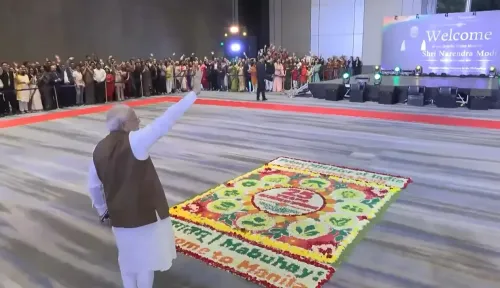
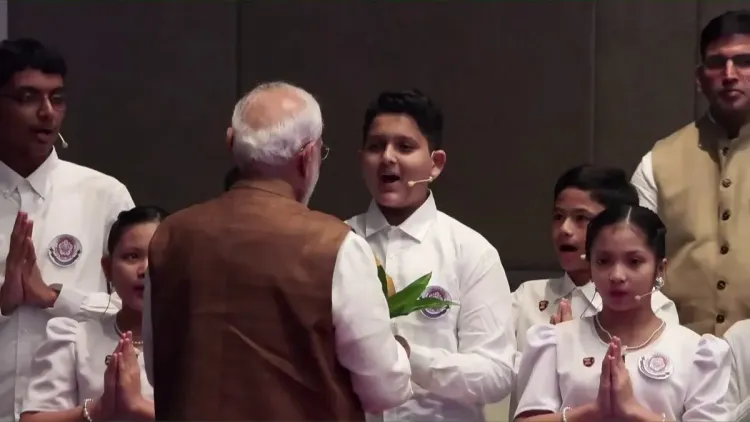
Prime Minister Modi received a grand welcome from the Indian community in Manila, Philippines, on November 16, 2026. Union Minister Kiren Rijiju shared the moment on X, calling it a taste of home far from Bharat — spotlighting India's diaspora diplomacy and Act East Policy momentum.
Key Takeaways
PM Narendra Modi arrived in Manila, Philippines on November 16, 2026 , where the Indian diaspora staged a grand community welcome.
Union Minister Kiren Rijiju shared a video of the reception on X, describing the warmth as feeling 'like home' miles away from Bharat.
Diaspora welcomes have been a consistent feature of PM Modi's overseas visits since 2014 , functioning as a people-to-people diplomacy tool.
The visit falls within the framework of India's Act East Policy , which prioritises deeper engagement with ASEAN nations including the Philippines.
Key watch areas from the Manila leg include potential agreements on maritime cooperation , trade, and people-to-people exchange programmes.
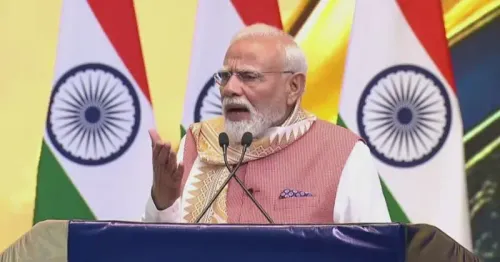
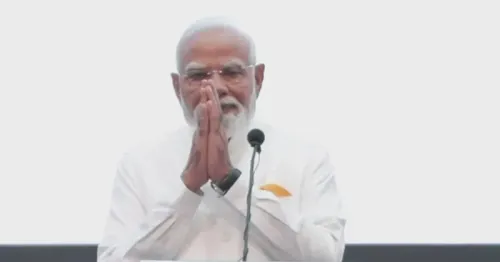
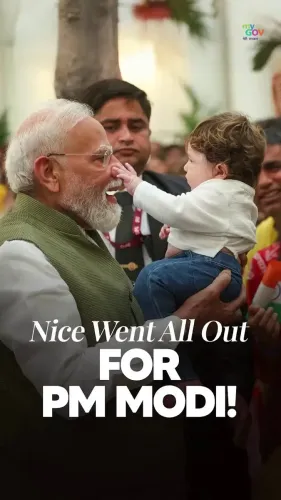
Thousands of miles from home, the sights and sounds of India filled Manila, Philippines, as the Indian diaspora turned out in force to welcome Prime Minister Narendra Modi on Monday, November 16, 2026 — a scene that has become a signature of every major overseas visit by the Prime Minister. Union Minister Kiren Rijiju shared the moment on X, capturing the warmth of the reception with the words: 'Miles away from Bharat, but the warmth feels like home!'
A Diaspora Welcome That Has Become a Modi Hallmark
The Manila reception is the latest chapter in a pattern that has played out across ASEAN capitals and beyond since 2014. Wherever PM Modi travels, local Indian communities organise elaborate welcomes — a visible, deliberate extension of people-to-people diplomacy that runs parallel to formal bilateral agendas. The Philippine capital is no exception. The Indian community in Manila, though modest in size relative to diaspora hubs in the Gulf or North America, mobilised to give the Prime Minister a reception that, by Rijiju's account, carried all the warmth of home.
Philippines and India's Act East Momentum
India's Act East Policy, launched in 2014, made deepening ties with ASEAN nations a strategic priority — and the Philippines, a Southeast Asian archipelago of over 110 million people and a significant maritime nation, sits squarely in that frame. Trade, maritime cooperation, and people-to-people exchanges are the pillars around which India-Philippines engagement has steadily grown. A Prime Ministerial visit to Manila signals that the relationship is being elevated beyond routine diplomatic contact.
Soft Power on the Ground
The diaspora welcome is not mere ceremony — it is strategy made visible. India's overseas communities have consistently served as cultural ambassadors, their enthusiasm telegraphing the depth of India's soft-power reach to host governments. When local Indian communities fill a venue in Manila waving the tricolour, the message to Philippine officialdom is clear: the bond between the two countries is not just governmental, it is human. Rijiju's post, shared with a video of the welcome, amplified that message to a domestic audience back home as well.
Watch for joint statements or agreements emerging from the Manila leg — particularly on maritime cooperation, bilateral trade frameworks, or expanded people-to-people exchange programmes — which will reveal the substance behind the spectacle.
Point of View
Amplified by Rijiju's social media post, is a textbook deployment of diaspora diplomacy — turning an overseas community into a live, visual argument for India's soft power. It underscores how the BJP government has systemically woven diaspora engagement into the fabric of foreign policy since 2014, ensuring that every bilateral visit carries a domestic resonance as well. For the Philippines, a Prime Ministerial touchdown signals India's intent to deepen its Act East footprint in Southeast Asia beyond the traditionally prioritised Vietnam, Singapore, and Indonesia corridors. The real test will be in the substance of any agreements signed — whether Manila becomes a milestone or merely a memorable stopover.
NationPress
16 Nov 2026
Frequently Asked Questions
Why is PM Modi visiting the Philippines in 2026?
PM Modi's visit to Manila is part of India's broader Act East Policy engagement with ASEAN nations. The Philippines is a growing partner for India on trade, maritime cooperation, and people-to-people exchanges, making a Prime Ministerial visit a signal of elevated bilateral intent.
What did Kiren Rijiju post about PM Modi's Manila visit?
Union Minister Kiren Rijiju shared a video on X showing the Indian community in Manila giving PM Modi a grand welcome. He wrote: 'Miles away from Bharat, but the warmth feels like home!'
What is India's Act East Policy and how does it relate to the Philippines?
India's Act East Policy, launched in 2014, aims to deepen strategic and economic ties with ASEAN nations. The Philippines, as an ASEAN member and significant maritime nation, is a key partner under this framework.
How significant is the Indian diaspora in the Philippines?
While the Indian community in the Philippines is smaller than diaspora hubs in the Gulf or North America, it plays an active cultural and diplomatic role, often organising receptions for visiting Indian dignitaries as a show of people-to-people connection.
What agreements could come out of PM Modi's Philippines visit?
Analysts are watching for joint statements or agreements on maritime cooperation, bilateral trade, and people-to-people exchange programmes as the most likely outcomes from the Manila leg of the Prime Minister's visit.