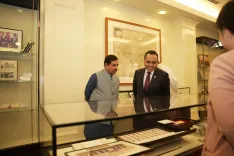
Giriraj Singh opens Textile Pavilion at IITF 2026
Synopsis
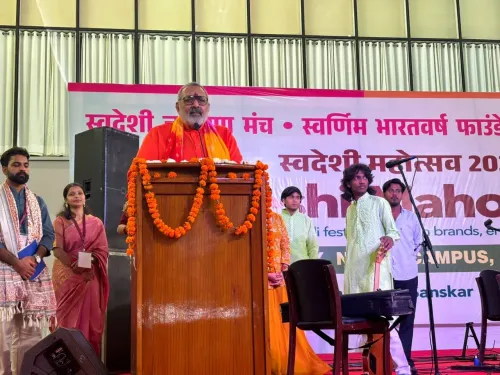
Union Textiles Minister Giriraj Singh inaugurated the Textile Pavilion at the 45th India International Trade Fair 2026 at Bharat Mandapam, New Delhi, interacting with weavers and handicraft artisans to highlight opportunities for traditional crafts.
Key Takeaways
Union Textiles Minister Giriraj Singh inaugurated the Textile Pavilion at the 45th IITF 2026 at Bharat Mandapam, New Delhi on 16 November 2026 .
The Minister personally visited handloom and handicraft stalls and held conversations with weavers, artisans, and exhibitors at the fair.
The India International Trade Fair has been held annually since 1980 , making this its 45th edition — one of Asia's longest-running trade fairs.
The Ministry of Textiles has operated the National Handloom Development Programme since 2015 , providing marketing, infrastructure, and skill support to weavers.
Singh underscored the fair's role in connecting traditional artisans to new commercial opportunities and promoting India's craft heritage nationally.
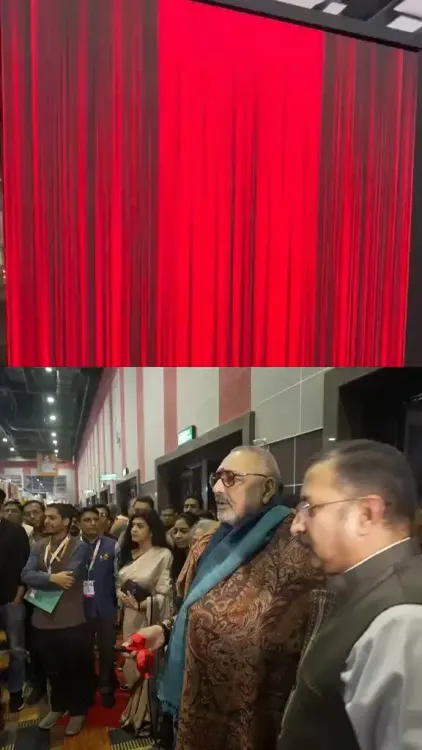
At Bharat Mandapam in New Delhi on Monday, 16 November 2026, Union Textiles Minister Giriraj Singh inaugurated the Textile Pavilion at the 45th India International Trade Fair (IITF) — opening a stage where the country's handloom weavers and handicraft artisans are front and centre before a national audience.
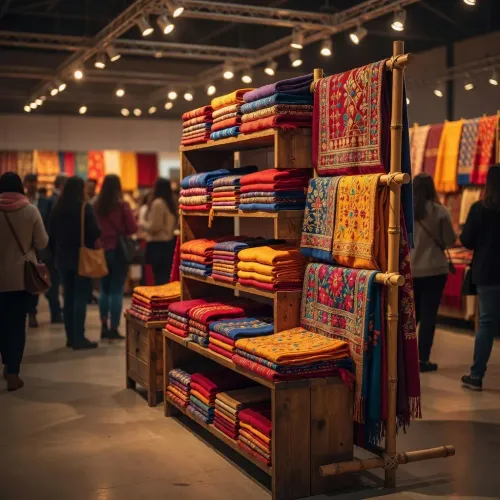
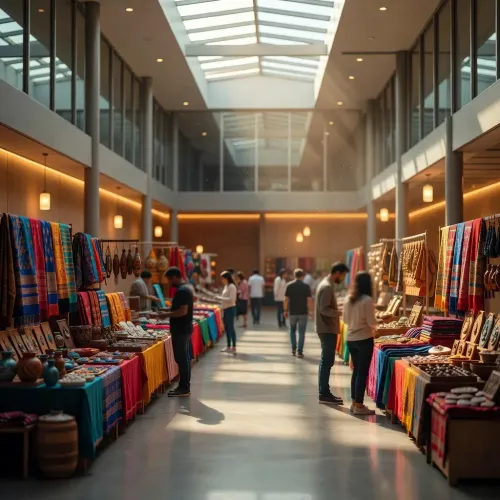
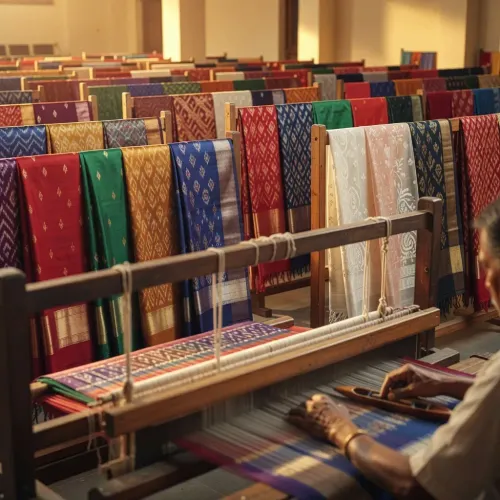
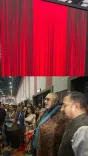
The Minister walked the stalls, examined the handiwork on display, and held direct conversations with weavers, craftspeople, and exhibitors gathered under one roof at the redeveloped Pragati Maidan complex. These aren't photo-op exchanges — they are the kind of ground-level market conversations that determine whether a weaver from rural India finds a buyer or goes home empty-handed.
What the Textile Pavilion puts on the map
Posting on X, Singh said events like IITF play an 'important role' (महत्वपूर्ण भूमिका) in both promoting the country's traditional art and artisans' skills and in connecting them to new opportunities. It is a succinct statement of purpose that doubles as Ministry of Textiles policy in action.
The IITF has run every November since 1980, organised by the India Trade Promotion Organisation as a platform for domestic and export promotion. At 45 editions, it is one of Asia's longest-running trade fairs — and the Textile Pavilion has consistently served as the fair's most visible showcase for India's handloom and handicraft heritage.
Weavers, artisans, and the policy scaffolding behind the stalls
The Ministry of Textiles has run the National Handloom Development Programme since 2015, channelling infrastructure, marketing support, and skill development to weavers across the country. IITF is one of the highest-profile marketing moments that programme feeds into — a chance for artisans to pitch their work directly to urban buyers and institutional purchasers in a single week.
The textile sector remains a significant rural employer in India, and successive governments have treated fairs of this kind as instruments to stitch together traditional craft ecosystems with modern commercial markets. The challenge is perennial: heritage skills are rich, but supply chains and market access remain thin for most weavers outside established clusters.
What to watch as the fair runs its course
The real measure of this inauguration will come in the numbers — the volume of orders placed, the value of deals signed, and whether any new export facilitation or marketing measures are announced from the Textile Pavilion during the fair's run. Singh's on-ground engagement with exhibitors signals that the Ministry is at minimum paying attention. Whether that translates into durable market links for the artisans is the question the fair's closing days will begin to answer.
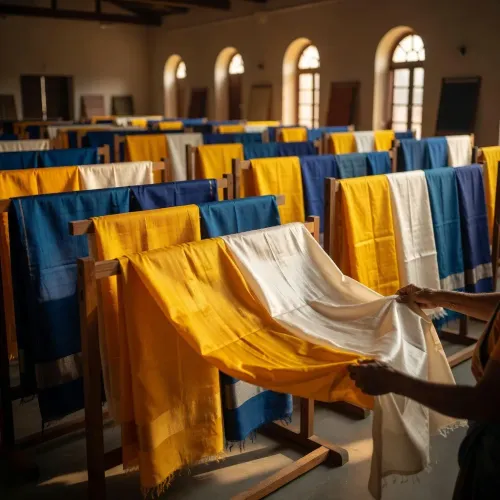
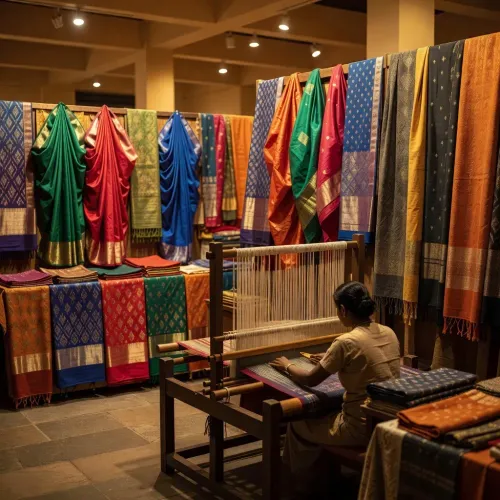
Forty-five years in, the IITF remains one of the few platforms where a Banarasi weaver, a Pashmina artisan, and a bamboo craftsperson from the Northeast can share a floor and a buyer's attention. That, in itself, is worth showing up for.
Point of View
However, remains whether fair-week momentum converts into sustained export pipelines and buyer relationships beyond the November window.
NationPress
16 Nov 2026
Frequently Asked Questions
What is the India International Trade Fair 2026?
The India International Trade Fair (IITF) is an annual trade fair organised by the India Trade Promotion Organisation at Pragati Maidan, New Delhi. The 2026 edition is its 45th, held every November since 1980 as a platform for domestic and export promotion of Indian products.
What did Giriraj Singh inaugurate at IITF 2026?
Union Textiles Minister Giriraj Singh inaugurated the Textile Pavilion at the 45th IITF 2026 at Bharat Mandapam, New Delhi, on 16 November 2026. He also visited handloom and handicraft stalls and interacted with weavers, artisans, and exhibitors present at the fair.
Where is Bharat Mandapam located?
Bharat Mandapam is a convention and exhibition centre in New Delhi, forming part of the redeveloped Pragati Maidan complex, which serves as the primary venue for the India International Trade Fair.
What is the National Handloom Development Programme?
The National Handloom Development Programme is a Ministry of Textiles scheme running since 2015 that provides infrastructure, marketing support, and skill development to handloom weavers across India. IITF serves as one of its key annual marketing platforms.
Why is the Textile Pavilion at IITF significant for artisans?
The Textile Pavilion gives handloom weavers and handicraft artisans from across India direct access to urban buyers and institutional purchasers at one of Asia's longest-running trade fairs, helping bridge the market-access gap that many rural artisans face throughout the year.