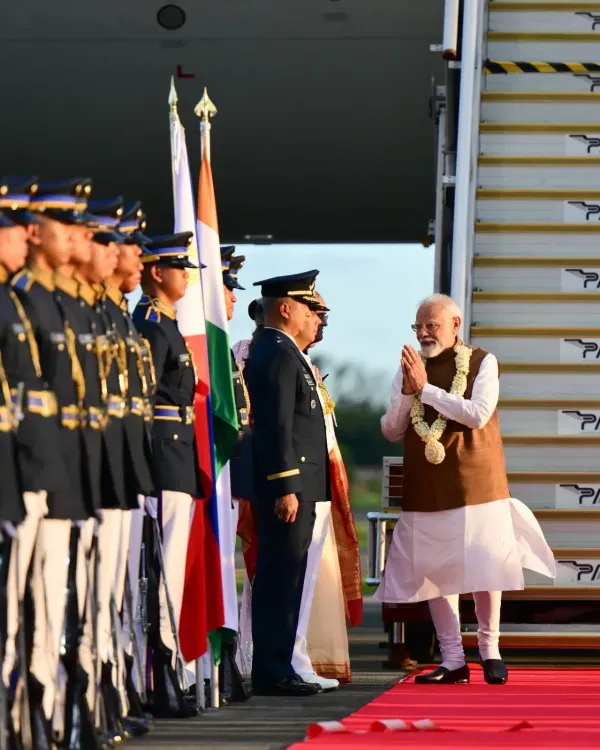
PM Modi lands in Manila, meets Indian diaspora in Philippines
Synopsis
Prime Minister Narendra Modi landed in Manila on 16 November 2026, meeting the Indian diaspora community in the Philippines. The visit builds on India-Philippines ties dating to 1949 and Modi's 2017 ASEAN-India Summit trip, with bilateral meetings on maritime and defence cooperation expected to follow.
Key Takeaways
PM Narendra Modi arrived in Manila, Philippines on 16 November 2026 .
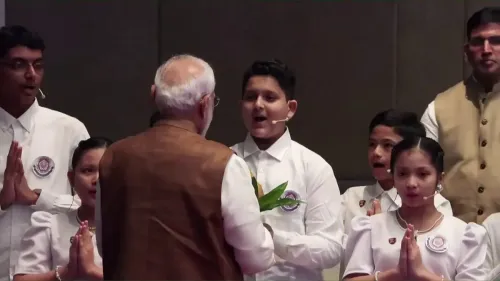
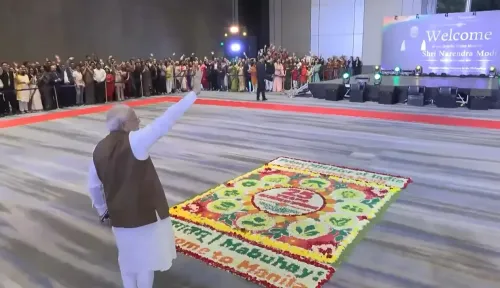
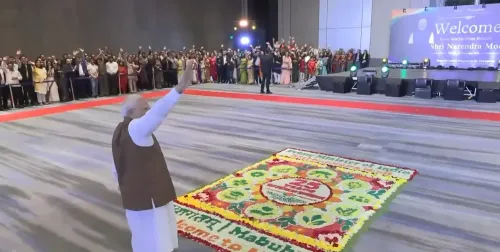
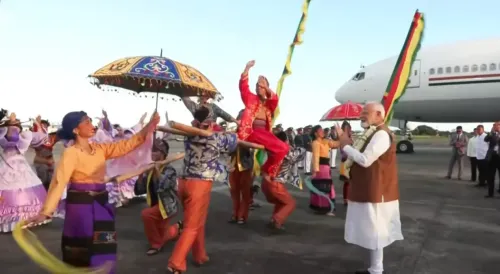
Modi met the Indian diaspora in Manila, calling their welcome 'very warm' and praising their role in preserving Indian culture.
India and the Philippines have maintained diplomatic relations since 1949 , with ties expanding into trade, defence, and maritime security.
Modi's previous Manila visit in November 2017 was for the ASEAN-India Summit , where he held talks with then-President Rodrigo Duterte .
Diaspora outreach is a deliberate component of India's Act East Policy and broader soft-power strategy across the ASEAN region.
Bilateral meetings with Philippine leadership and potential joint statements on maritime and defence cooperation are expected as the visit continues.
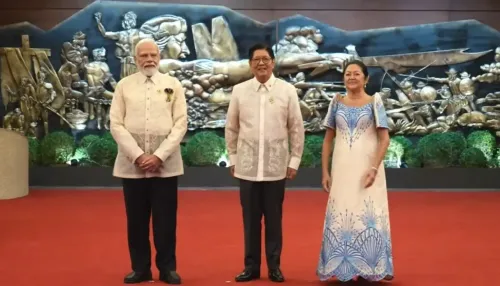
India's diplomatic footprint in Southeast Asia deepened on Monday, 16 November 2026, as Prime Minister Narendra Modi touched down in Manila, Philippines — greeted, he said, by a 'very warm welcome' from the Indian community that has long bridged the two nations quietly and persistently.
A diaspora reception that doubles as soft power
Modi wrote that it was 'wonderful to see our diaspora preserve Indian culture and at the same time, work towards bringing our nations closer.' The sentiment is not merely ceremonial — diaspora receptions on overseas visits are a deliberate pillar of India's people-to-people diplomacy, particularly across the ASEAN region. The Indian community in the Philippines has historically maintained cultural traditions while embedding itself in business and professional networks that give India a quiet but durable presence in the archipelago.
This is not Modi's first time in Manila. In November 2017, he visited the Philippine capital for the ASEAN-India Summit, holding bilateral discussions with then-President Rodrigo Duterte. That visit helped accelerate the India-Philippines relationship beyond its long-standing diplomatic foundation — the two countries have maintained formal ties since 1949 — into areas of trade, defence, and maritime security cooperation.
India-Philippines ties: from 1949 to a new chapter
The Philippines is a critical node in India's Act East Policy, which frames Southeast Asia not as a periphery but as an indispensable theatre of strategic and economic engagement. With overlapping interests in maritime security — both nations border critical Indo-Pacific sea lanes — and growing defence cooperation, the bilateral relationship carries weight well beyond trade numbers. The diaspora reception, staged early in the visit, signals that the people-to-people layer is meant to underpin whatever formal agenda follows.
Bilateral meetings with Philippine leadership and any joint statements on defence or maritime cooperation are the ones to watch as the visit unfolds. Those outcomes will determine whether this trip marks a qualitative step forward or consolidates ground already covered in 2017.
India's diaspora around the world has increasingly been cast in an active diplomatic role — not just as cultural ambassadors, but as connective tissue between governments. In Manila, that thread is being pulled tight again.
Point of View
Follow with government-to-government substance. The Philippines is not incidental to India's Indo-Pacific calculus — it sits astride the South China Sea, and deepening defence and maritime ties with Manila is consistent with India's quiet effort to build a web of like-minded partners in the region. The 2017 visit laid groundwork; what emerges from 2026 bilateral talks will reveal how far that architecture has actually advanced. Diaspora diplomacy here is the opening act, not the headline.
NationPress
16 Nov 2026
Frequently Asked Questions
Why did PM Modi visit the Philippines in November 2026?
PM Modi travelled to Manila as part of a bilateral visit to the Philippines , beginning with a diaspora reception before expected meetings with Philippine leadership on trade, defence, and maritime cooperation.
Has PM Modi visited Philippines before?
Yes. PM Modi previously visited Manila in November 2017 to attend the ASEAN-India Summit , where he held bilateral discussions with then-President Rodrigo Duterte .
How long have India and the Philippines had diplomatic relations?
India and the Philippines have maintained formal diplomatic relations since 1949 , with cooperation expanding over decades into trade, defence, and maritime security.
What is India's Act East Policy and how does the Philippines fit in?
India's Act East Policy frames Southeast Asia as a priority strategic and economic theatre. The Philippines , bordering critical Indo-Pacific sea lanes, is a key partner under this policy, particularly for maritime security cooperation.
What is the Indian diaspora's role in India-Philippines relations?
The Indian diaspora in the Philippines serves as a people-to-people bridge, preserving cultural ties while fostering business and professional networks that complement government-level diplomacy between the two countries.