MP Cabinet meets at Gandhi Sagar Nov 18; ₹11,500-crore hydro project in focus
Synopsis
Madhya Pradesh is holding a Cabinet meeting on-site at Gandhi Sagar to spotlight a ₹11,500-crore, 1,920 MW pumped hydro project — one of India's largest — set for full commissioning by June 2027. The project doubles as an energy anchor and an eco-tourism catalyst, with cheetah habitat development running alongside nine turbines that will store surplus solar and wind power for peak-hour use.
Key Takeaways
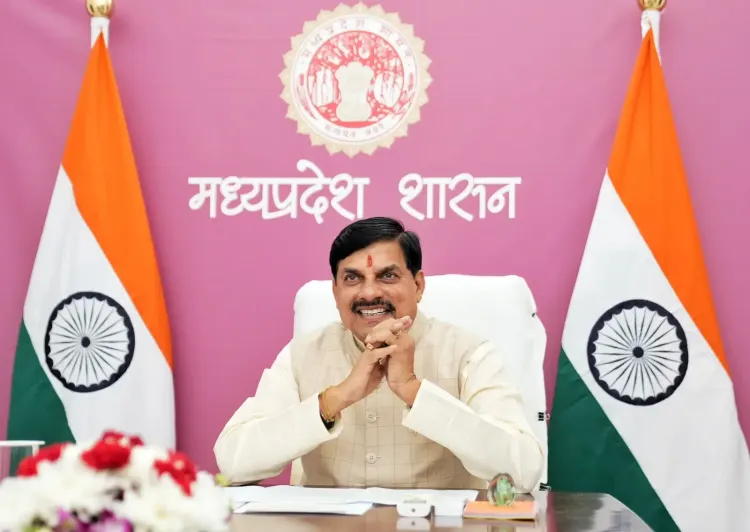
MP CM Mohan Yadav will chair a special Cabinet meeting at Gandhi Sagar, Mandsaur on 18 November 2026 .
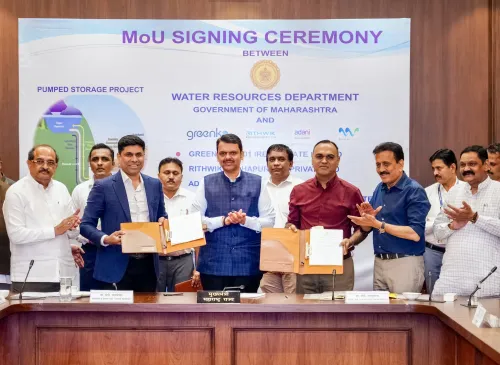
The ₹11,500-crore, 1,920 MW Gandhi Sagar Pumped Hydro Storage Project is being developed by Greenko Group in Neemuch district.
Annual energy generation capacity is estimated at 3,580 million units with a round-trip efficiency of ~80% .
First turbines operational by December 2026 ; full project commissioning targeted by June 2027 .
Around 4,000 construction-phase jobs created; nearly 200 permanent jobs expected in operations.
The Gandhi Sagar Wildlife Sanctuary is being developed as MP's second cheetah habitat after Kuno National Park .
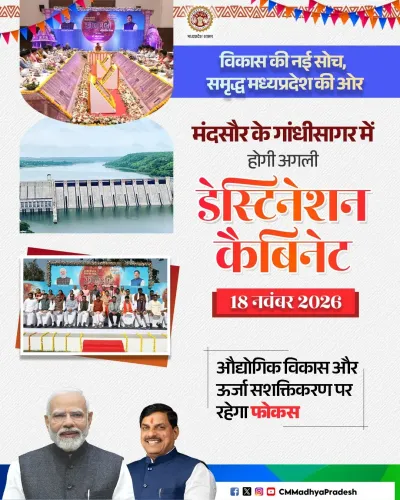
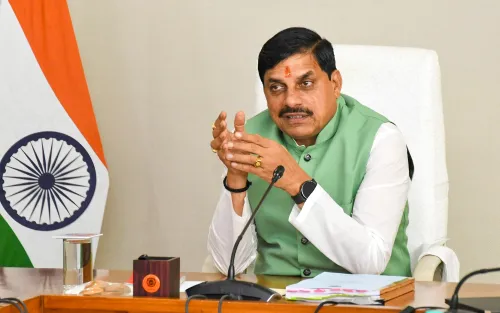
Madhya Pradesh Chief Minister Mohan Yadav will chair a special Cabinet meeting at Gandhi Sagar in Mandsaur district on 18 November 2026, with the state's ₹11,500-crore pumped hydro storage project expected to dominate the agenda. The meeting is part of the state government's initiative to hold Cabinet sessions at different locations to spotlight their development potential.
About the Gandhi Sagar Pumped Hydro Storage Project
The 1,920 MW Gandhi Sagar Pumped Hydro Storage Project, being developed by Greenko Group in Neemuch district, is among the largest standalone pumped hydro storage facilities currently under construction in India. Spread across approximately 414 hectares, the facility uses the existing Gandhi Sagar reservoir as the lower reservoir and a newly constructed reservoir as the upper one.
The project works by using surplus solar and wind energy to pump water from the lower reservoir to the upper reservoir. During peak electricity demand hours, the stored water is released to drive nine turbines, generating electricity continuously for up to six hours. Its annual energy generation capacity is estimated at 3,580 million units, with a round-trip efficiency of approximately 80 per cent, according to a government statement.
Key Timelines and Commissioning Schedule
The first set of turbines is expected to become operational by December 2026, while the entire project is scheduled to be commissioned by June 2027. Once operational, electricity generated during peak demand hours will be supplied to NTPC, the Solar Energy Corporation of India (SECI), and distribution companies in Madhya Pradesh and other states.
The project is expected to help distribution companies reduce dependence on expensive peak-hour power, translating into lower electricity costs for consumers, according to the state government.
Employment and Local Impact
Approximately 4,000 people have been employed during the construction phase, while nearly 200 permanent jobs are expected in the operation and maintenance of the facility. The company has been directed to prioritise employment for eligible local candidates from Madhya Pradesh, the government statement noted. The project is also projected to help prevent the wastage of surplus renewable energy and ensure green power availability in line with demand.
Tourism and Wildlife Dimension
Beyond energy, the Gandhi Sagar region is being developed simultaneously as a tourism and wildlife destination. The Gandhi Sagar Wildlife Sanctuary has been established as the state's second cheetah habitat after the Kuno National Park. The state government is additionally promoting the Gandhi Sagar Floating Festival, tent city facilities, and water sports to generate employment in tourism, hospitality, and handicrafts.
The dual push — renewable energy infrastructure alongside eco-tourism — positions Gandhi Sagar as a multi-sector development hub, a model the state government appears keen to replicate through its location-specific Cabinet meetings.
Point of View
500-crore pumped hydro bet is strategically sound given India's renewable integration challenge, but the real test is whether the June 2027 commissioning deadline holds given the complexity of large-scale hydro construction. Pairing a cheetah sanctuary with an energy megaproject in the same geography is an ambitious multi-use model; whether eco-tourism revenues and energy revenues can reinforce rather than conflict with each other is a question the Cabinet meeting is unlikely to address in public.
NationPress
12 Nov 2026
Frequently Asked Questions
What is the Gandhi Sagar Pumped Hydro Storage Project?
It is a 1,920 MW pumped hydro storage facility being developed by Greenko Group in Neemuch district, Madhya Pradesh, at an estimated cost of ₹11,500 crore. The project uses the Gandhi Sagar reservoir as the lower reservoir and a newly built reservoir as the upper one, storing surplus renewable energy and releasing it during peak demand hours.
When will the Gandhi Sagar hydro project be commissioned?
The first set of turbines is expected to become operational by December 2026, with the entire project scheduled for commissioning by June 2027. Nine turbines will be installed, capable of generating electricity continuously for six hours.
Why is the Madhya Pradesh Cabinet meeting at Gandhi Sagar on 18 November?
Chief Minister Mohan Yadav is chairing the special Cabinet session at Gandhi Sagar as part of the state government's initiative to hold meetings at different locations to highlight their development potential. The ₹11,500-crore pumped hydro project is expected to be the centrepiece of discussion.
How many jobs will the Gandhi Sagar project create?
Around 4,000 people have been employed during the construction phase, with nearly 200 permanent jobs expected in operations and maintenance. The company has been directed to prioritise eligible local candidates from Madhya Pradesh.
Who will receive the electricity generated by the Gandhi Sagar project?
Electricity generated during peak demand hours will be supplied to NTPC, the Solar Energy Corporation of India (SECI), and distribution companies in Madhya Pradesh and other states, according to the state government.