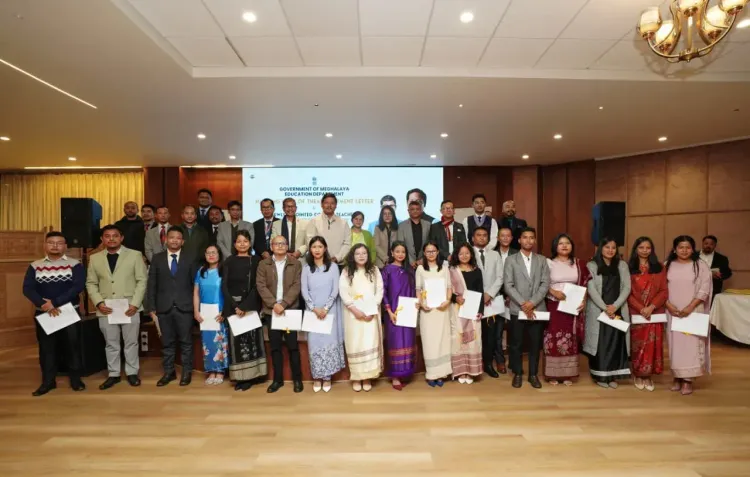
CM Conrad Sangma hands appointment letters to 213 college faculty
Synopsis
Meghalaya CM Conrad Sangma handed appointment letters to 213 newly selected assistant professors and lecturers for government colleges on November 12, urging them to mentor students as individuals and go beyond syllabus delivery, citing gains in pass rates and reduced dropouts.
Key Takeaways
213 assistant professors and lecturers received appointment letters from CM Conrad Sangma on November 12, 2026 .
The appointees will be deployed across Government Colleges throughout Meghalaya .
Sangma cited progress in improving pass percentages and reducing dropout rates while calling the transformation ongoing.
The CM urged new faculty to treat every student as an individual and 'inspire them to dream bigger' — a call aligned with NEP 2020 's student-centric framework.
Union Minister Pralhad Joshi was tagged in the post, signalling Centre-state engagement on the appointment.
Future recruitment phases and next-cycle college enrolment data will test the depth of Meghalaya's higher education push.
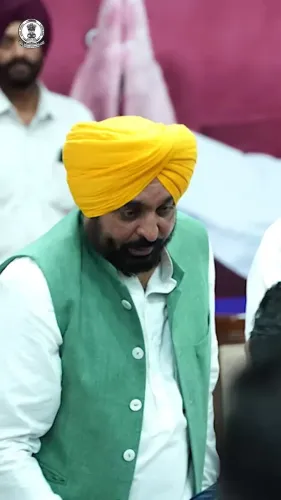
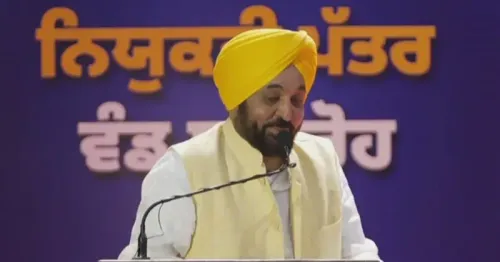
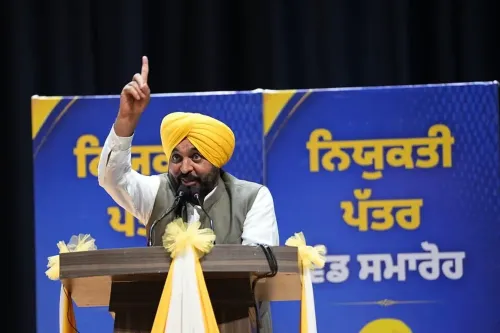
Two hundred and thirteen newly selected Assistant Professors and Lecturers received their appointment letters on Thursday, November 12 from Meghalaya Chief Minister Conrad Sangma — a moment the CM framed not as a bureaucratic formality, but as the beginning of a generational responsibility to shape young minds across the state's government colleges.
213 faculty members step into Meghalaya's classrooms
The appointments span Government Colleges across Meghalaya, directly addressing faculty vacancies that have long constrained higher education quality in the state. Sangma described the occasion as 'more than an appointment — it is an opportunity and a responsibility to shape the minds, aspirations and futures of our young people.' Union Minister Pralhad Joshi was tagged in the post, signalling Centre-state coordination on the education push.
Sangma pointed to measurable ground already covered — improved pass percentages and reduced dropout rates — while making clear the state's transformation agenda is still in motion. The numbers matter: in a state where access to quality higher education has historically been uneven, adding 213 faculty members in a single cohort is a structural intervention, not a marginal adjustment.
A pitch for mentorship over syllabus-chasing
Beyond filling vacancies, Sangma used the occasion to deliver a pointed message to the appointees: see every student as an individual, not a roll number. He urged the new teachers to 'look beyond teaching a syllabus or fulfilling a job responsibility' and instead 'nurture their potential with empathy and patience, and inspire them to dream bigger.' The register was aspirational but grounded — the kind of charge that reflects the national shift, embedded in the National Education Policy 2020, toward holistic, student-centric learning over rote instruction.
Northeastern states have made reducing dropout rates a headline target over the past several years, and Meghalaya's focus on improving college-level outcomes fits squarely within that regional pattern. Faculty strength is the lever — without teachers in classrooms, pass-rate gains at the school level cannot translate into meaningful higher education outcomes.
What follows for Meghalaya's higher education pipeline
The immediate question is whether this cohort is a one-off event or the first tranche of a sustained recruitment drive. Subsequent phases of faculty hiring, and whether the state reports measurable shifts in college enrolment and pass rates in the next academic cycle, will reveal the depth of Meghalaya's commitment to its own transformation narrative. The 213 appointees begin their postings in government colleges that serve students who, in many cases, have no affordable private alternative. That is precisely the weight Sangma asked them to carry.
Point of View
Where government colleges are often the only affordable higher-education option available. Sangma's framing of the event as a mentorship mandate — not just a staffing exercise — tracks with the student-centric language of NEP 2020 and signals an attempt to marry quantitative gains (pass rates, dropout reduction) with qualitative shifts in classroom culture. The tagging of Union Minister Pralhad Joshi suggests the state is keen to position this within a broader Centre-backed education reform narrative, potentially laying groundwork for additional funding or recognition. Whether the recruitment is a one-time electoral-cycle move or the start of a sustained faculty pipeline will be the real test of Meghalaya's higher education ambitions.
NationPress
12 Nov 2026
Frequently Asked Questions
How many assistant professors were appointed in Meghalaya in November 2026?
Meghalaya CM Conrad Sangma handed appointment letters to 213 assistant professors and lecturers on November 12, 2026, for deployment across government colleges in the state.
Who is Conrad Sangma?
Conrad Sangma is the Chief Minister of Meghalaya, serving since 2018, and is also the national president of the National People's Party (NPP) .
Which government colleges will the new Meghalaya faculty join?
The 213 appointees will join Government Colleges across Meghalaya ; the state has not publicly specified individual college allocations in this announcement.
What is Meghalaya's progress on education dropout rates?
CM Sangma stated that Meghalaya has made 'significant progress in improving pass percentages and reducing dropout rates,' though specific figures from this event have not been independently verified.
How does the Meghalaya faculty recruitment relate to NEP 2020?
The National Education Policy 2020 emphasises student-centric, holistic learning and improving higher education quality in northeastern states; Meghalaya's bulk faculty recruitment and CM Sangma's mentorship-focused message directly align with those goals.